
Introduction
Today we explore The Story Behind Bun Kebab, a Pakistani Food Favorite. This dish carries warmth in every bite. It is not only a snack but a small celebration of daily life. The bun, soft and lightly buttered, meets a savory kebab patty bright with spices. The result is a meal that invites sharing, conversation, and quiet delight. In every bite, the dish speaks of craft, comfort, and community.
What Is Bun Kebab?
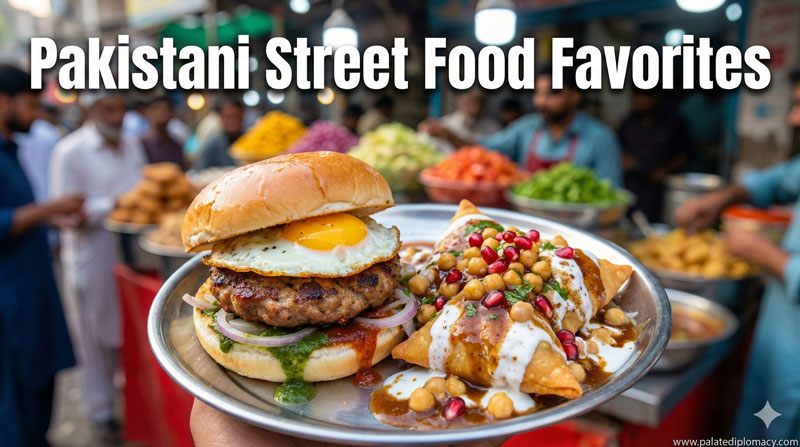
Bun kebab pairs a plush, gently toasted bun with a flavorful kebab patty. The patty is ground meat or a meat blend, seasoned with spices and herbs. It grills until the edges are nicely browned and the center stays juicy. The bun becomes warm and tender from a quick toast. Chutneys, onions, and a squeeze of lemon join the assembly, creating a balance of sweet, sour, and heat. A crisp slice of cucumber often adds a refreshing bite. Together, these parts form a sandwich that is simple in form, rich in flavor, and welcoming to all.
Culinary Craft and Techniques
Cooks begin with a careful spice blend. Cumin, coriander, garam masala, red chili, garlic, and ginger create depth and warmth. The mixture meets the meat with a touch of onion for moisture. Patties form evenly, then grill on a hot surface until they brown and stay moist inside. The bun is lightly buttered and toasted to a golden glow. For finishing, chutneys are spread, the kebab is nestled inside, onions are layered, and a lemon squeeze adds brightness. The technique highlights balance: heat from spices, sweetness from onions, tang from chutneys. The aroma invites people to linger and smile.
Regional Flavors and Variations
In Karachi, vendors favor bold chutneys and a smoky edge from the grill. In Lahore, the kebab often leans toward a juicier center and a richer spice note. In smaller towns, cooks adjust heat and tang to local tastes. Some kitchens use tamarind for a bright tang; others rely on mint for cool freshness. A touch of pomegranate molasses may appear for a gentle sweetness. Yet all regional styles share the same core idea: a soft bun, a juicy patty, and lively toppings. Each variation reflects local ingredients and everyday preferences, making the dish feel familiar no matter where you stand.
Serving Traditions and Social Moments
Bun kebab shines in everyday moments. It appears at breakfast stalls, market corners, and busy avenues. It pairs beautifully with a hot cup of chai or a cold glass of lassi. Friends share a plate, exchange stories, and move along with a satisfied smile. The dish fits both quick meals and casual gatherings, from a late-night stroll to a family snack after school. The serving ritual is simple, inviting, and everyone-friendly.
The Culinary Significance
This dish shows how a few elements can create great depth. The meat offers savory richness, the bun provides comforting softness, and chutneys add brightness and contrast. The assembly invites choice and interaction, letting each eater tailor the bite. Chefs and home cooks keep the recipe alive by adapting spices to taste and by using fresh, seasonal ingredients. Bun kebab is approachable, comforting, and versatile, which helps it remain a beloved staple in many kitchens and street stalls alike.
The Sensory Experience
The moment a bun kebab arrives at the table, the senses are engaged. The bun presses softly against a juicy patty, while crisp onions add bite. Aromatic spices fill the air, mingling with the toasty scent of bread. A tangy chutney lifts the flavor, complemented by a squeeze of lemon for a bright finish. The textures—soft bread, tender meat, crunchy onions—Create a satisfying harmony. This combination invites another bite, and then another.
Conclusion
The Story Behind Bun Kebab reveals more than flavor; it reveals a Food Culture that values warmth, craft, and welcome. It celebrates simple ingredients used with care, and it invites people to share in a joyful moment. If you have a chance, try bun kebab with a cup of chai and a friendly chat. In doing so, you honor the beauty of everyday cooking and the community it sustains.