
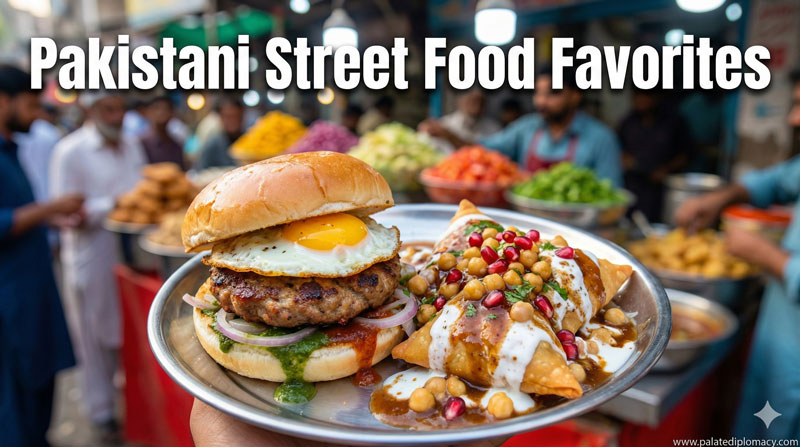
The Story Behind Bun Kebab, a Pakistani Food Favorite
Bun kebab is more than a snack. It is a warm invitation to the everyday kitchen and the bustling street. The dish brings together a seasoned patty, a soft bun, and an array of fresh accompaniments. In Pakistan, this combination travels from home kitchens to crowded markets, letting neighbors share a quick bite and friends catch up over a flavorful bite. The story of bun kebab is the story of care in small, daily acts: grinding spices, frying patties, toasting buns, and ladling chutneys with a steady hand. It is comfort made portable, a bright note in busy days, and a reminder that good food can be both simple and deeply satisfying.
What Bun Kebab Is
At its core, bun kebab is a gently spiced, minced-meat patty served inside a soft bun. The patty may feature beef, chicken, or a blend, bound with onions, garlic, and a balanced mix of spices. A bright chutney—often green cilantro-mint and a tangy tamarind or garlic chutney—adds contrast. Fresh vegetables such as onions, tomatoes, and cucumbers provide crunch and brightness. The bun, lightly toasted, cradles the warm patty and juices, making each bite release a chorus of textures and flavors. This dish thrives on balance: savory meat with aromatic spices, crisp vegetables, and a tangy-sweet lift from chutneys. It invites you to taste with both your tongue and your eyes.
The Craft Behind the Dish
Craft begins with the patty. Minced meat is seasoned carefully with cumin, coriander, garam masala, chili, salt, and sometimes a touch of pepper. Finely chopped onions and fresh herbs mingle with the meat, lending sweetness and depth. The patty is shaped into small rounds and cooked on a hot surface until a crust forms and the inside remains tender. The bun is warmed or toasted until it yields slightly under gentle pressure. Chutneys are prepared or chosen with care: a bright green mix of cilantro and mint for freshness, and a tamarind or garlic-based chutney for tang and zing. Assembly is a small ritual: a smear of chutney on the bun, the patty placed just so, onions and slices of cucumber or tomato layered for crunch, and a final touch of chutney or a drizzle of yogurt sauce to tie the flavors together. The resulting sandwich is compact, bursting with aroma, and easy to hold in one hand.
Cultural Value: Food as a Social Moment
In daily life, bun kebab serves as a shared moment. Vendors at street corners offer a quick, satisfying meal that travelers and workers alike can enjoy between tasks. Families savor it after a long day, savoring the balance of spice and comfort. Friends meet at informal spots, exchanging stories as they bite into a warm bun. This dish embodies hospitality: a simple plate that welcomes, nourishes, and invites conversation. Its appeal lies in inclusion—no matter who you are, bun kebab is approachable, flexible, and forgiving. It supports community by being affordable, easily prepared at home, and adaptable to personal preference. The dish thus becomes a thread in the broader tapestry of Pakistani Food Culture, weaving together taste, memory, and togetherness.
Regional Voices: How Cities Shape Variation
Across Pakistan, bun kebab wears subtle regional accents. In one city, a patty might lean toward a bolder spice profile, while in another, herbs and green chutney shine brighter. Some kitchens favor beef, others chicken; a few insist on a touch of coriander seed or crushed cumin for warmth. Chutneys vary too—green chutney with mint and cilantro is common, while red or tamarind variations add sweetness or tartness. The bun itself can shift as well: a softer, pillowy roll in one neighborhood or a firmer, lightly toasted bun in another. These differences are less about division and more about local pantry, seasonal produce, and personal memory. The result is a family of bun kebabs, each with its own character, yet sharing a common thread of comfort and aroma.
Flavor Profiles and Technique
The magic lies in the balance of flavors. The patty delivers savory depth and a gentle spice kick. The chutneys brighten the palate with freshness and tang. The vegetables provide crisp contrast and a cool counterpoint to the warmth of the meat. When cooked well, the patty remains juicy inside and crisp on the outside, a texture that sings when combined with a soft bun. Toasting the bun adds a subtle toasty aroma and helps hold in juices. A light drizzle of yogurt sauce or a touch of lemon juice can lift the whole sandwich without overpowering it. The result is a harmonious bite that lingers on the palate, inviting the next bite in a gentle cadence.
Serving Traditions and Pairings
Tradition guides simple, thoughtful pairings. A bun kebab is commonly enjoyed with crisp onions, cucumber slices, and tomato rounds that offer fresh heat and cooling crunch. Mint and cilantro chutney produce a bright, herbal note, while tamarind chutney introduces a touch of sweetness and tang. A squeeze of lemon can awaken flavors just before serving. Beverages such as spiced tea or a cool, unsweetened drink complement the dish well, balancing spice and richness. This approach to serving reinforces the idea that bun kebab is a shared, joyful experience—easy to prepare, pleasant to eat, and wonderful to discuss with others while enjoying the aroma that fills the moment.
Making Bun Kebab at Home: A Simple Guide
If you’d like to recreate this experience at home, start with quality ingredients. Choose fresh ground meat with a good fat content, aromatic onions, garlic, and a balanced spice mix. Mix ingredients gently, then shape small rounds. Cook on a hot skillet or grill until the crust is well formed and the inside is just cooked through. Toast the buns lightly while the patties rest briefly. Prepare chutneys ahead of time for bright, instant flavor. Layer the bun with chutney, the patty, onions, and cucumbers. A final touch of chutney or yogurt sauce ties the elements. Serve immediately for best texture and aroma. This simple approach keeps the dish accessible while honoring its traditions.
A Timeless Favorite in Pakistani Food Culture
Bun kebab stands as a beloved example of everyday culinary artistry. It honors technique—care in grinding, seasoning, and cooking—while celebrating sensorial joy: the sizzle, the aromatic spice blends, the clean bite of fresh vegetables, and the comforting softness of the bun. It is a dish that travels from home kitchens to markets, from one generation to the next, carrying with it memories of shared meals and friendly chats. In its quiet, flavorful way, bun kebab reveals how food can be both humble and meaningful, offering nourishment and a sense of belonging. Its enduring appeal lies in simplicity done well, a reminder that a well-made sandwich can illuminate culture, craft, and community all at once.