
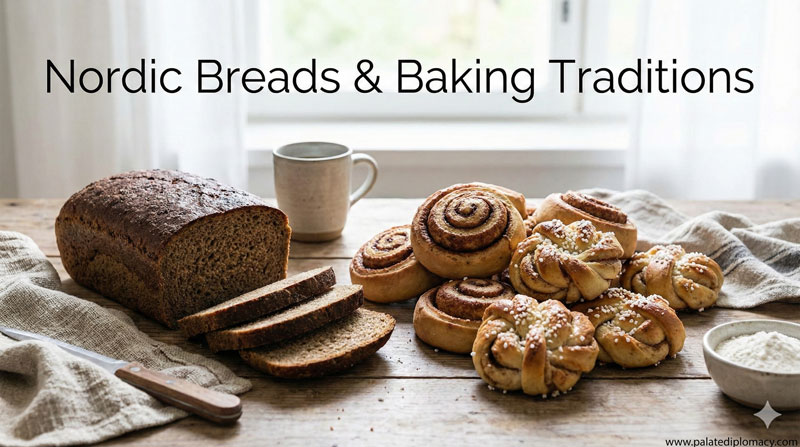
How Cardamom Buns Became Popular in Nordic Cuisine: An Inviting Tour
In this post, we explore How Cardamom Buns Became Popular in Nordic Cuisine. The journey is one of aroma, craft, and shared moments. The bun is simple at heart, yet it carries a bright warmth that lifts everyday rituals. It invites people to slow down, savor coffee, and gather around the table. This is a story of culture expressed through a small, fragrant pastry.
The Cardamom Spice at the Center
Cardamom is the star in these buns. Its aroma is sharp, sweet, and slightly citrusy. When ground and released in warm dough, it creates an immediate sense of welcome. The spice meets dairy and sugar with a gentle harmony. That balance helps the buns fit naturally into Nordic tastes, where subtle sweetness and a touch of spice are highly valued. In kitchens across the region, cardamom is not just a flavor; it begins a feeling of comfort and hospitality. This is why cardamom buns feel especially fitting beside a coffee cup or a glass of cold milk.
A Gentle Dough and Thoughtful Technique
The dough behind these buns is usually enriched with milk, butter, and eggs. This gives a soft crumb and a tender bite. The cardamom is often ground or crushed to release its full perfume. The technique is patient. Yeast rises slowly, and that pause builds texture and depth. The dough is rolled, folded, and shaped into coils or spirals. Some bakers braid the strands for a delicate tapestry of flavor. The result is a light, fluffy interior with a glossy surface. The aroma of steam and spice fills the kitchen as the buns bake. In short, the technique is as much about patience as about method. The outcome celebrates careful craftsmanship.
From Home Ovens to Cafés: The Cultural Arc
These buns travelled from home ovens into the heart of Nordic cafés and bakeries. They fit a culture that values daily rituals and shared moments. A warm bun, a moment of quiet reflection, and a good cup of coffee become a simple scene of connection. Bakers refined the recipe over time, adapting to seasonal ingredients and local tastes. Yet the core idea remains constant: a soft, fragrant bun that invites conversation and warmth. This continuity—between home life and public spaces—has helped the bun become a familiar, beloved presence in Nordic Food Culture.
Regional Variations and Subtle Differences
Across the Nordic countries, the cardamom bun shows small but meaningful differences. In one country, you might find a tiny citrus zest that brightens the spice. In another, the bun may boast a light glaze or a sprinkle of pearl sugar that adds a gentle crackle in the first bite. Sweden often features a robust cardamom presence with a glossy finish. Norway may emphasize a slightly denser crumb and a comforting, home-baked feel. Denmark sometimes pairs the bun with a touch of vanilla in the dough, adding an extra layer of sweetness. Finland brings its own sensibility, balancing spice with dairy notes from local milk. Iceland, with a focus on clean flavors, highlights the spice without overpowering the malt or butter in the dough. These nuances show how a single recipe can gracefully adapt while preserving its essence.
The Social Moment: Coffee, Conversation, and Craft
A cardamom bun often accompanies a moment of pause. In Nordic life, the coffee break is a cherished routine. The bun’s aroma invites conversation. People share stories, plans, and small ideas. The ritual is short, warm, and hopeful. The bun acts as more than a treat; it becomes a signal of care. That social value is part of the dish’s charm. It stabilizes gatherings, large or small, with a simple, shared pleasure. In this sense, the bun is a catalyst for connection and a reminder that good food can light up ordinary days.
Pairings, Occasions, and Seasonal Heart
Cardamom buns pair beautifully with coffee, tea, or cold milk. They also suit seasonal celebrations, brunches, and weekend indulgences. A warmth-filled pastry sits well beside autumn and winter gatherings, where the aroma mirrors the cozy mood of the season. The pairing choices are gentle and flexible. A mug of black coffee balances the sweetness, while a lighter tea brightens the spice. When shared in a bright kitchen or a cozy café, the buns help set a welcoming tone for the day.
Modern Trends: Caring for Tradition with New Ideas
Today, bakers keep the tradition alive while embracing contemporary preferences. Some bakers offer vegan versions that use plant-based milk and butter substitutes. Others experiment with whole grains or reduced sugar, preserving the spice’s brightness. Flavor ideas like orange zest or a touch of rosewater appear in select recipes, offering new notes while respecting the core profile. Yet the essence remains constant: cardamom provides warmth, the dough offers tenderness, and the act of sharing anchors the experience in Nordic culture. These variations show how a classic can stay relevant through thoughtful adaptation.
Practical Tips to Appreciate the Dish
- Look for a gentle sheen on the surface and a soft, puffy crumb. These signs indicate proper proofing and balance in fat content.
- Break a bun and notice the aroma first. Then taste. The sequence of aroma, tenderness, and spice reveals the craft.
- If you bake at home, use fresh ground cardamom for the strongest fragrance. A short crush before grinding releases essential oils.
- Pair with a clear, not overpowering beverage to keep the spice in focus. A good coffee or a light tea lets the spice shine.
- Store buns in a cool, dry place. They stay tender when kept in a closed container for a day or two. Freshness matters for the best experience.
The Language of Craft: Why the Dish Matters
The cardamom bun speaks to a culture that values balance, seasonality, and hospitality. It shows how a single spice can harmonize with dairy richness and yeast texture. It demonstrates careful technique and a sense of occasion in everyday life. The result is a dish that feels both familiar and refined. In Nordic cuisine, such pastries become a language of warmth, curiosity, and shared delight. They remind us that good food can be both simple and deeply meaningful.
A Gentle Invitation to Explore
If you are curious about How Cardamom Buns Became Popular in Nordic Cuisine, start with a single bite. Let the aroma guide you to the kitchen. Notice how the spice awakens the senses and the soft crumb invites a thoughtful moment. Then, share that moment with someone you care about. The bun is more than a recipe; it is a small ceremony of taste and companionship. In this light, the dish reveals its enduring value: it enriches daily life, honors craft, and enriches the social fabric of Nordic food culture.
Conclusion: A Timeless Favorite in Nordic Kitchens
Cardamom buns have earned their place through consistency, generosity, and care. They embody a tradition of quiet elegance that fits the Nordic love for balance and warmth. The dish remains inviting, respectful, and richly flavorful. It celebrates how spice, dough, and a moment of pause can come together to create something memorable. The popularity is not just about taste; it is about experience, memory, and the beauty of sharing a well-made bun with friends and family. In Nordic cuisine, the cardamom bun stands as a gentle symbol of hospitality and craft, a small treat with a big voice in culture and cuisine.