
Introduction
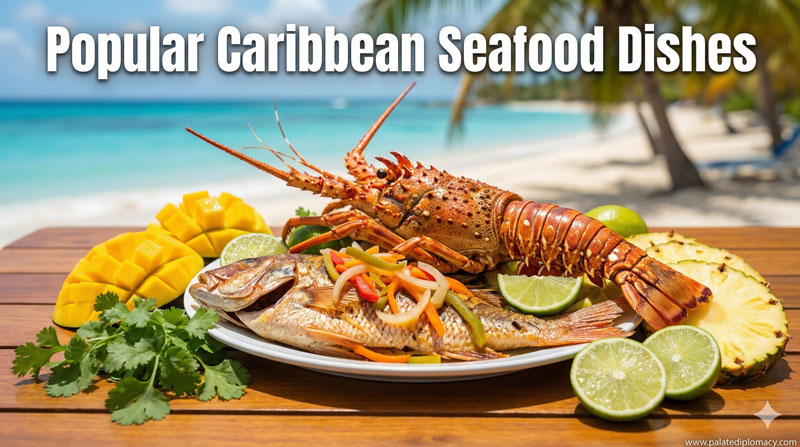
In the Caribbean, grilled lobster is more than a meal. It is a shared moment, a celebration of the sea, and a testament to simple, sunny cooking. The dish brings people together at beach shacks, home backyards, and seaside markets. It invites smiling conversation, laughter, and the rhythm of a day spent by the water. The lobster itself carries a bright sweetness, and the grilling method adds a gentle smoke that amplifies every natural note. This combination—sea-spark, fire, and friendship—gives grilled lobster its enduring charm and status as one of the region’s most loved dishes.
Sourcing and Craft
The Heart of the dish lies in choosing the right lobster. Fresh lobster is always the star, and in the Caribbean, markets near the shore often showcase a daily harvest. Local vendors who know their catch can offer tips on size and vitality. When you select lobsters, look for lively claws and a firm feel. A shell that glistens with moisture signals freshness, while a clean, sweet aroma hints at quality. Once chosen, the preparation stays simple. The goal is to preserve the lobster’s natural sweetness, not to obscure it with heavy sauces. This respect for the ingredient is a hallmark of Caribbean grilling culture.
The cooking method is equally important. Grilling over a steady, moderate flame creates a glossy surface and a delicate char. The heat should be enough to caramelize the edge without drying the meat. In many spots, cooks brush the shell with a light blend of butter or olive oil and a squeeze of lime. This quick baste adds moisture and a bright lift, balancing the richness of the meat. The process is quick, precise, and communal—neighbors watch, learn, and share tips on timing and flame control.
Flavor and Technique
Grilled lobster derives its character from a confident, clean flavor profile. The meat remains tender and slightly sweet, with a smoky undertone from the grill. A touch of butter invites a luxurious texture, while citrus adds freshness. Garlic, thyme, and a hint of warmed pepper give depth without overpowering the lobster’s natural lightness. In many kitchens, the finish includes a squeeze of lime and a final pat of butter, letting the flavors mingle in a simple, bright chorus.
Texture matters as much as taste. The shell acts as a little shield that concentrates juices during grilling, so the meat stays juicy inside while developing a fragrant exterior. The approach is to treat the lobster with care: moderate heat, short cooking windows, and confident turns so the surface develops color evenly. The result is a plate that is visually appealing and incredibly satisfying to bite into.
Regional touches appear naturally in the flavor balance. Some cooks favor a hint of scotch bonnet pepper for a gentle kick, while others lean toward a more herb-forward note with thyme and parsley. Coconut milk or lime zest may join the basting in certain locales, adding a tropical brightness. These variations speak to a larger truth: grilling lobster in the Caribbean is flexible, communal cooking that honors place and palate.
Regional Variations
Across the Caribbean, you’ll find small, but meaningful, differences that shape how grilled lobster is enjoyed. In one island kitchen, a peppery kiss from a fresh scotch bonnet may wake the dish with warmth and brightness. In another, a citrusy glaze of lime and orange blends with herb oil to brighten the flesh. Some cooks keep a simple, almost minimalist approach, letting the lobster’s sweetness lead and using only salt, lime, and butter to finish.
Herbs and aromatics differ by locale. Thyme and garlic are common anchors, while pimento (allspice) adds a gentle warmth in some traditions. A splash of coconut oil might appear in coastal homes, acknowledging the local pantry. Side notes like lime wedges, fresh cilantro, or a dusting of finely chopped parsley appear on plates as bright finishing touches. The result is a tapestry of flavors that share a common thread: grilled lobster, prepared with care, from sea to table.
Cultural Value and Community
Grilled lobster holds strong cultural value because it centers togetherness. Families gather after long days, sharing stories as the grill roars softly in the background. Friends meet at the beach or by a sea-facing balcony to celebrate a sunset with shared bites of lobster, corn on the cob, and rice. The ritual of grilling—turning the meat, coaxing a glaze from butter and citrus, offering a fresh squeeze of lime—becomes a daily or seasonal ceremony that reinforces belonging and hospitality.
Markets and street-side grills play into this sense of community. Vendors may guide a curious newcomer, offering a quick tip about How to judge doneness or how long to rest the meat before serving. The dish also makes appearances at family reunions and festive weekends, where food acts as the simplest language for expressing warmth and care. In essence, grilled lobster becomes a social instrument that strengthens ties, invites sharing, and sustains a positive, welcoming tone in everyday life.
Cooking Tips for Home Cooks
If you want to bring this Caribbean classic into your kitchen, you can do so with clear, friendly steps. First, choose fresh lobster or high-quality thawed lobster tails. Second, pat dry, then lightly season with salt. Third, preheat your grill to a medium-high heat so you can seal the meat quickly and then finish with gentler heat. Fourth, baste with a modest blend of melted butter, lime juice, and a kiss of garlic. Fifth, grill the meat until it is just opaque; a few minutes per side usually suffices, depending on size. Finally, rest a minute and finish with a final lemony or limey squeeze to brighten the flavors.
For sides, keep things light and complementary. Plantains, coconut rice, or corn on the cob work beautifully. A fresh cucumber-tenniso or avocado salsa adds a crisp, creamy balance. A cold, citrusy drink or a light beer helps cleanse the palate between bites. Remember: the joy of grilled lobster is as much about the company as the dish itself. Simple care and a shared table elevate the meal.
Pairings and Serving
Presented on a bright platter, grilled lobster invites an array of accompaniments that echo the region’s warmth. Citrus-rich sauces, fragrant herbs, and a light crunch from fresh vegetables can elevate the experience. White rice or coconut rice makes a gentle base, while charred corn adds sweetness and texture. Plantains bring starchy comfort, and a mate of lime and cilantro offers a fresh finish.
Drinks matter too. A crisp white wine with good acidity can complement the lobster’s brightness, or a chilled fruit punch brings tropical refreshment without overpowering the dish. For a non-alcoholic route, a sparkling citrus beverage or a coconut-water mixer works beautifully. The key is balance: let the lobster shine, and choose sides that uplift rather than compete.
Cultural Curation and Place in the Food Scene
Grilled lobster embodies a generous Caribbean spirit: a dish born from the sea, shaped by fire, and shared with friends and family. It reflects a culinary culture that values freshness, practical technique, and social warmth. The process of grilling lobster in community settings—on a beach, at a market, or in a backyard—creates a sense of place that food alone cannot convey. People remember the scent of smoke, the joy of a shared plate, and the feeling of taking a bite that tastes of sun and sea. This is why grilled lobster remains a beloved staple in Caribbean kitchens and seaside restaurants alike.
Final Thoughts
Why is grilled lobster one of the Caribbean’s most loved dishes? Because it invites celebration of sea, fire, and fellowship in one confident plate. It highlights local ingredients, honors time-tested grilling methods, and thrives on communal moments. Each bite carries a sense of place and a memory of laughter around a shared table. If you seek a dish that is bright, tasteful, and deeply connected to Caribbean life, grilled lobster offers a welcoming doorway—an invitation to savor the beauty of the region’s cooking and its enduring culinary spirit.