
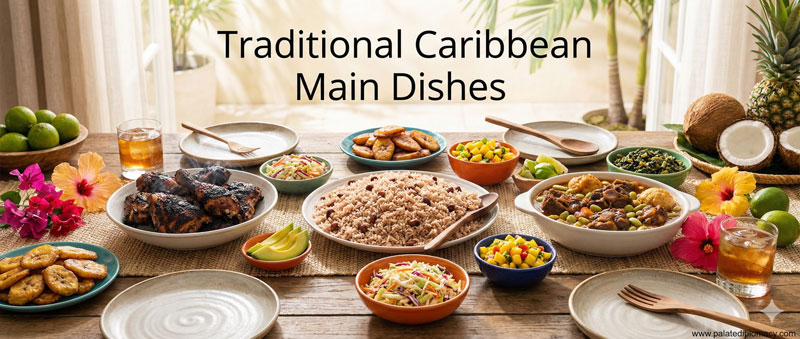
Why Pepperpot Is One of the Caribbean’s Most Loved Dishes
Pepperpot holds a special seat in Caribbean kitchens. It is a dish that invites lingering at the table. Rich aroma, glossy sauce, tender meat—these come together to tell a story of care and craft. Pepperpot is more than a meal; it is a celebration of flavor and tradition. Its appeal is immediate, and its memory stays with you long after the last bite.
A Dish Rooted in Flavor and Craft
The Heart of pepperpot is its slow, attentive cooking. A thick, dark sauce forms as spices mingle with the meat juices. Cassareep, a syrupy base made from cassava, gives the sauce body and a subtle sweetness. It also helps preserve the sauce as it simmers. Meat—beef, pork, goat, or a combination—takes on a velvet tenderness as hours pass. Aromatics like onion, garlic, and fresh herbs join the pot, along with pepper, allspice, and warm spices such as cinnamon and cloves. Each stir adds depth, and every simmering moment brings a richer glaze to the meat. The technique is simple in idea, complex in result: patience yields grace, and grace yields flavor that feels both familiar and new.
A Symphony of Spices
Pepperpot sings with bold, balanced spice. The Caribbean palette shines here: pepper heat, fragrant thyme, and a gentle kiss of sweetness from cassareep. Cinnamon and cloves add warmth, while nutmeg or allspice can hint at orchard-fruit notes. The spice blend is not overwhelming; it is a careful chorus that supports the meat and the cassareep’s deep character. The result is a sauce that clings to every bite, a velvety glaze that accentuates texture and aroma. This harmony makes pepperpot instantly comforting, yet ever evolving as you taste it across kitchens and cooks.
A Seasonal Favorite
Across many Caribbean homes, pepperpot is a festive favorite. It often appears in celebrations and gatherings as the days grow cooler or as friends and family come together. The dish travels from pot to pot, from stove to table, as everyone contributes a touch—whether a spice, a chopped herb, or a shared story. The ritual of slow cooking fits naturally into holiday mood: the kitchen quiets to a gentle simmer, and anticipation builds for a fragrant reward. The moment the lid lifts, warmth and spice fill the room, signaling welcome and hospitality.
Cultural Significance Beyond the Plate
Pepperpot is a vessel for shared culinary memory. Families pass down their own tweaks—which meats work best, which spices sing together, how long to simmer. The dish teaches patience, timing, and respect for ingredients. It also embodies hospitality. A pot of pepperpot invites everyone to the table, transforms a meal into a shared experience, and creates a space for conversation and connection. The aroma alone can evoke years of kitchen stories, which keeps the tradition alive and evolving with each generation.
How Pepperpot Inspires Modern Kitchens
Chefs today celebrate pepperpot by honoring its roots while exploring new directions. Some cooks highlight traditional cassareep, while others experiment with leaner cuts or plant-forward options that maintain the dish’s essence. You may find pepperpot with different meats, or with mushrooms and root vegetables that absorb the spice and carry the cassareep’s gloss. Whatever the variation, the core idea endures: slow, mindful cooking that rewards time with depth of flavor and a silky finish. This adaptability keeps pepperpot relevant in contemporary menus while preserving its comforting identity.
A Flavor That Speaks Caribbean Hospitality
Pepperpot is more than food; it is a handshake with flavor. It welcomes, nourishes, and invites conversation. It anchors gatherings with its imminently shareable nature and its ability to bridge generations through a common kitchen ritual. The dish remains respectful of its bold spices and glossy sauce, yet open to creative expression. In every bite, pepperpot celebrates the Caribbean’s love of good taste, generous portions, and the joy of coming together around a sturdy pot of warmth.