
Introduction
Pepperpot is a slow-cooked Caribbean stew that has earned a cherished place in kitchens and hearts across the region. Its name evokes warmth, comfort, and a sense of welcome. This dish Stands Out for its robust flavor, its tender meat, and its glossy, aromatic sauce. But beyond taste, pepperpot carries a rich cultural value. It is a meal that brings families together, hosts stories and memories, and celebrates the artistry of Caribbean cooking. In this post, we explore the culinary significance and cultural value of pepperpot, focusing on how it shines in the Food Culture of the Caribbean.
What makes Pepperpot special
The magic of pepperpot begins with balance. A slow simmer transforms tough cuts into melt-in-your-mouth tenderness. Aromatic spices mingle with a sweet, syrupy base to create a depth that lingers on the palate. The dish is a showcase for patience and practice: master cooks attend to texture, aroma, and richness, adjusting heat and seasoning until the sauce clings gracefully to every piece of meat. This careful attention is not merely technique; it is a daily ritual of care that passes from one kitchen to the next. Pepperpot’s appeal rests in its reliability—knowing that a pot left to simmer will yield warmth, generosity, and a sense of place with every spoonful.
The backbone: ingredients and technique
At the Heart of pepperpot is cassareep, a thick, dark syrup made from the juice of cassava. It provides body, sweetness, and a distinctive resin-like note that anchors the dish. Alongside cassareep, cooks use cuts of beef, pork, or other meats, plus onions, garlic, peppers, and a blend of spices such as allspice, cinnamon, cloves, and thyme. The technique is straightforward but exact: sear the meat for color and depth, add aromatics, then let everything slow-cook so flavors fuse. A long, gentle simmer allows the sauce to reduce to a glossy glaze that coats every bite. The result is a comforting harmony of savory, sweet, and slightly spicy tones, all built on a foundation of careful simmering and patient maturing of flavors.
A dish of shared warmth
Pepperpot lives in the kitchens where family notes are passed from generation to generation. It is a dish that invites sharing, conversation, and connection. When pepperpot sits at the table, it signals more than a meal; it signals hospitality. The aroma fills the room, and people gather to savor the first ladle, exchange smiles, and swap stories. This social dimension is an essential part of pepperpot’s cultural value. It is a food that anchors gatherings, marks milestones, and becomes a familiar thread in the tapestry of daily life. The act of cooking pepperpot often becomes a family ritual, with tips and tweaks shared across cooks, ensuring that the dish remains alive and relevant in every home.
Regional flavors across the Caribbean
Across the Caribbean, cooks bring their own flavors to pepperpot, creating a tapestry of regional variations. In one kitchen, cassareep may take center stage, giving a syrupy backbone to the sauce. In another, cooks may emphasize heat with fresh peppers or balance sweetness with fruit notes. Some kitchens pair pepperpot with rice, while others serve it with root vegetables or local breads. These variations are not separate traditions; they are complementary threads that enrich a shared idea: pepperpot as a versatile, deeply satisfying stew. The beauty of this dish lies in its flexibility and its ability to reflect local ingredients, family preferences, and seasonal produce. Carving out space for these differences helps pepperpot remain a living, breathing part of Caribbean cuisine.
The craft of preparation
The craft of preparing pepperpot combines skill with patience. It starts with selecting quality meat and fresh aromatics. Cooks monitor the heat, adjust the balance of cassareep and spices, and taste as it thickens. The process often spans hours, during which the kitchen fills with a warm, inviting aroma. This slow method teaches focus and care, rewarding the cook with a deeply satisfying sauce and meat that feels almost tender enough to fall apart. For many families, pepperpot is a weekend project or a holiday centerpiece, a dish that demonstrates the value of time, attention, and the joy of sharing the end result with others.
Serving traditions and pairings
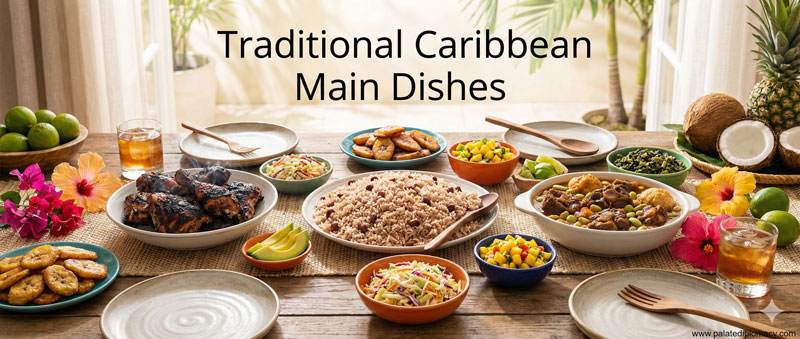
Pepperpot is versatile in serving, which adds to its enduring appeal. It pairs beautifully with simple sides that let the stew shine. White rice is a classic companion, offering a neutral canvas that soaks up the sauce. Root vegetables, dumplings, or even a slice of hearty bread can complement the dish, depending on the regional style and family preference. A fresh green salad or pickled vegetables can provide a bright contrast to the rich, syrupy sauce. The serving ritual—placing a generous portion in a bowl, offering extra cassareep on the side, and sharing the steaming pot with friends and family—adds to the sense of hospitality that pepperpot embodies.
Pepperpot in modern Caribbean kitchens
Today, pepperpot appears in both home kitchens and restaurant menus, reflecting its enduring relevance. Home cooks often adapt the recipe with local ingredients and personal touches, keeping the dish vibrant and current. In restaurants, chefs celebrate pepperpot as a showcase of Caribbean flavor and technique, highlighting how a simple pot can yield layered complexity. Across the region, pepperpot remains a bridge between tradition and contemporary cooking, inviting new generations to explore its textures, aromas, and stories. This modern presence reinforces pepperpot’s role as a beloved staple that connects people to their culinary roots while inviting fresh interpretation.
Cultural value and culinary significance
Pepperpot’s cultural value rests on several interwoven threads. It celebrates the craft of slow cooking, the care of family kitchens, and the joy of sharing a nourishing meal. It acts as a sensory memory, evoking familiar kitchens, warm conversations, and the feeling of home. Cooks honor techniques passed down through generations, while also inviting new ideas and regional flair. The dish reinforces community through cooking and sharing, making pepperpot more than sustenance: it becomes a symbol of belonging, generosity, and the beauty of Caribbean flavors. Its culinary significance lies in its balance, its adaptability, and its ability to elevate everyday ingredients into a dish that feels special and meaningful.
Conclusion
Pepperpot stands as one of the Caribbean’s most loved dishes because it blends flavor, technique, and meaning into one pot. Its cassareep-based sauce, tender meat, and aromatic spices offer a rich, comforting experience that resonates across homes and tables. The dish invites participation, connection, and appreciation for regional variety, while preserving a shared sense of Caribbean culinary identity. In every bite, pepperpot tells a story of warmth, craft, and community—an invitation to celebrate the beauty and soul of Caribbean cooking.