
Why Rice and Peas Is One of the Caribbean’s Most Loved Dishes
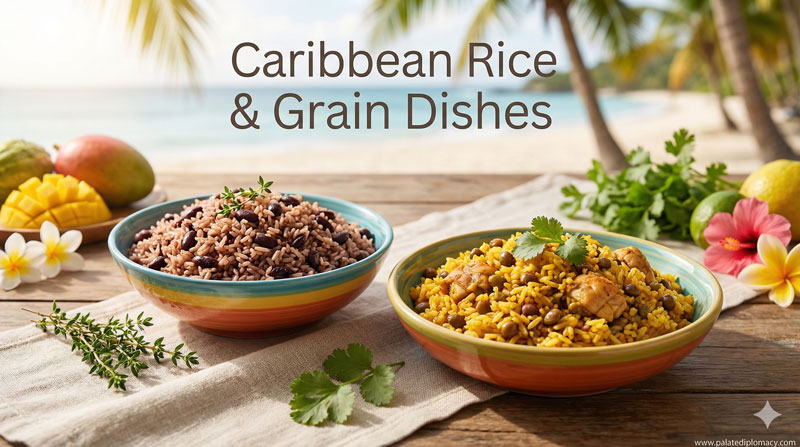
Rice and peas stands at the Heart of Caribbean dining. It is a dish that welcomes friends and family with aroma and color. The simplicity of its ingredients makes space for memory, warmth, and everyday joy. Across kitchens and markets, the dish speaks to patience, balance, and the beauty of shared meals. It is not just food; it is a quiet celebration of what many communities value in cooking: nourishment, comfort, and a sense of place.
A Dish Woven Into Everyday Tables
People reach for rice and peas in many ways. It often accompanies a weeknight supper, a weekend gathering, or a festive feast. The dish adapts to different flavors and proteins, yet the core idea remains the same: a pot of rice slowly carried by fragrant liquid, herbs, and a gentle simmer. It is versatile enough for a humble plate or a centerpiece on a family table. This adaptability reinforces its status as a staple that travels from home to home with ease, always ready to nourish and please.
Core Flavors and Simple Ingredients
Rice and peas thrives on balance. The essential elements come together to create a creamy, savory base with bright finishing notes. Common components include:
– Long-grain rice for fluffy grains
– Peas, often pigeon peas or kidney beans
– Coconut milk or coconut cream for richness
– Onion, garlic, and scallion for aroma
– Fresh thyme and a pinch of salt
– A touch of pepper or chili for gentle warmth
– Optional: a splash of lime, a piece of pepper, or a mix of herbs to taste
These ingredients are affordable, accessible, and widely loved. The result is a comforting dish with a soft, inviting texture and a gentle, uplifting aroma.
The Cooking Technique: A Harmony of Texture and Aroma
The technique behind rice and peas centers on patience and harmony. Start with sautéing aromatics to release their fragrance. Then add the liquid, simmer gently, and let the rice absorb the coconut notes and seasonings. The peas soften to tenderness without losing their character. Finally, rest the pot for a few minutes so the grains settle and finish cooking in their own steam. The whole process yields a cohesive, creamy texture with distinct grain separation—each bite balanced and satisfying.
Regional Variations: Notes from Across the Caribbean
While the core concept stays the same, regional twists give rice and peas its memorable texture and flavor:
– Jamaica often features pigeon peas with coconut milk, accented by thyme and scotch bonnet for a bright, spicy finish.
– Barbados leans on coconut milk and tender peas, pairing beautifully with fried plantains and savory meats.
– Trinidad and Tobago showcase a lush aroma profile with thyme, sometimes adding peppers for a gentle kick.
– Grenada and other islands may emphasize allspice (pimento) and fresh herbs to radiate warmth throughout the pot.
These variations celebrate the island palate and the art of adapting a dish to local tastes, seasons, and ingredients, all while keeping the dish true to its comforting core.
A Social Dish: Shared Moments and Rituals
Rice and peas is deeply social. It appears in kitchens where families gather around the stove, swap stories, and help with small tasks. The act of cooking together—measuring, rinsing, stirring—becomes a way to connect across generations. The dish often accompanies celebrations, Sunday meals, and casual hangouts, turning ordinary moments into shared rituals. In these scenes, the dish grows beyond nourishment; it becomes a symbol of hospitality and friendship, inviting everyone to partake and feel welcome.
Pairings and Serving Traditions
This dish shines when paired with complementary flavors. Typical pairings include:
– Stewed or grilled meats, such as chicken, pork, or fish
– Plantains, fried or baked, for sweetness and crunch
– Callaloo or leafy greens to add freshness
– Fresh lime or a bright hot sauce to brighten the palate
– A crisp salad or fresh fruit to balance richness
Serving rice and peas with a colorful plate of sides enhances its appeal and underscores its role as a centerpiece for gatherings and everyday meals alike.
Tips for Home Chefs: Perfecting Rice and Peas
A few practical tips help bring out the best in this dish:
– Use good coconut milk for depth; shake before measuring to keep the fat and liquid blended.
– Sauté aromatics early to release their full fragrance.
– Rinse the rice lightly to remove excess starch and keep grains separate.
– Start with a gentle simmer and avoid stirring too much to maintain fluffy grains.
– Let the pot rest off the heat for a few minutes to finish the cooking and settle the flavors.
– Taste and adjust with a pinch of salt or a squeeze of lime to brighten the final notes.
A Celebration of Flavor and Craft
Rice and peas is more than sustenance; it is a celebration of flavor, technique, and community. Its presence on the table signals care, hospitality, and shared abundance. The dish invites cooks to honor simple ingredients, to practice patience, and to celebrate the sensory pleasures of coconut, herbs, and tender peas. In every bite, the Caribbean’s warmth and culinary artistry come alive, inviting readers to savor the beauty of a meal that feels timeless and welcoming.