
Discovering Ceviche: A Celebration of Fresh Flavors and Cultural Heritage
Ceviche is more than just a dish; it is a vibrant expression of culinary artistry and cultural pride. Originating from the coastal regions of Latin America, ceviche showcases the region’s rich abundance of fresh seafood and the mastery of balancing flavors. Its simplicity and freshness make it a beloved dish around the world, celebrated for its bright, invigorating taste and its deep-rooted cultural significance.
The Cultural Significance of Ceviche
Ceviche holds a special place in the culinary traditions of many Latin American countries, including Peru, Ecuador, and Mexico. It is often considered a national delicacy, enjoyed during festivals, family gatherings, and special occasions. The preparation and serving of ceviche are deeply embedded in social rituals, reflecting the local environment and the community’s relationship with the sea.
In regions where seafood is abundant, ceviche is a testament to the resourcefulness of local chefs who utilize fresh catches to create a dish that highlights the natural flavors of the ingredients. It embodies a sense of identity and regional pride, often adapted to showcase local tastes and ingredients, making each variant unique and meaningful.
The Culinary Significance of Ceviche
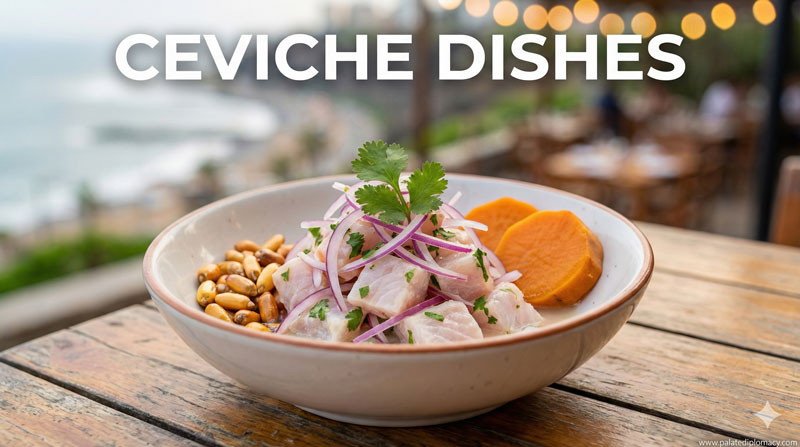
Ceviche’s culinary appeal lies in its simplicity and emphasis on freshness. The process of marinating raw fish or seafood in citrus juices, typically lime or lemon, not only imparts a tangy flavor but also acts as a natural means of tenderizing the ingredients. Complemented by ingredients such as onions, cilantro, chili peppers, and corn or sweet potatoes, ceviche becomes a harmonious blend of textures and tastes.
This dish exemplifies the concept of “freshness first,” encouraging the use of high-quality, seasonal ingredients. Its preparation process highlights techniques that respect the natural qualities of seafood, making ceviche a celebration of raw ingredients and minimal intervention.
Serving Ceviche: A Cultural Experience
Serving ceviche is as much about presentation as it is about flavor. Traditionally, it is served in bowls or on plates that showcase its vibrant colors. Accompaniments like toasted corn, plantain chips, or fresh avocado slices are common, enhancing the dish’s textural diversity. Some enjoy it with a side of crunchy tostadas or crispy empanadas, elevating the tasting experience.
Ceviche is often enjoyed as a communal dish, fostering social interaction and shared joy. Its bright, refreshing profile makes it an ideal starter or light main course, especially in warm climates. Serving suggestions emphasize freshness and simplicity, allowing the natural flavors to shine and creating an inviting atmosphere for diners.
Preserving Tradition and Embracing Innovation
While traditional ceviche recipes focus on core ingredients, contemporary chefs continually explore new variations. Some incorporate tropical fruits like mango or pineapple for a sweet contrast, while others experiment with different types of seafood or herbs. Despite these innovations, the essence of ceviche remains rooted in its celebration of freshness and regional identity.
This dish’s versatility and cultural adaptability make it a timeless culinary icon. It invites both tradition and creativity, making it a beloved choice for those seeking to explore authentic flavors or enjoy modern culinary twists.
A Dish That Bridges Cultures
Ceviche’s allure extends beyond its place of origin. Its popularity across different regions highlights its universal appeal. Whether served alongside a chilled beverage or enjoyed as a light appetizer, ceviche bridges cultures through shared appreciation for fresh ingredients and vibrant flavors.
In conclusion, ceviche is much more than a seafood dish; it is a cultural expression, a culinary masterpiece that celebrates nature’s bounty and regional heritage. Its serving suggestions emphasize simplicity, freshness, and community, making it a truly inviting dish that continues to enchant the palates and hearts of many around the world.