
Introduction
Chaat in Pakistan is more than a snack. It is a bright moment in daily life. You taste energy, conversation, and craft in every bite. This dish mirrors how people gather, share, and celebrate simple ingredients. It reveals a warmth toward spices, textures, and seasonal freshness. In this blog, we explore how chaat reflects Pakistani Food Culture and its culinary significance. The focus stays on flavor, tradition, and everyday joy.
Core Flavors and Techniques
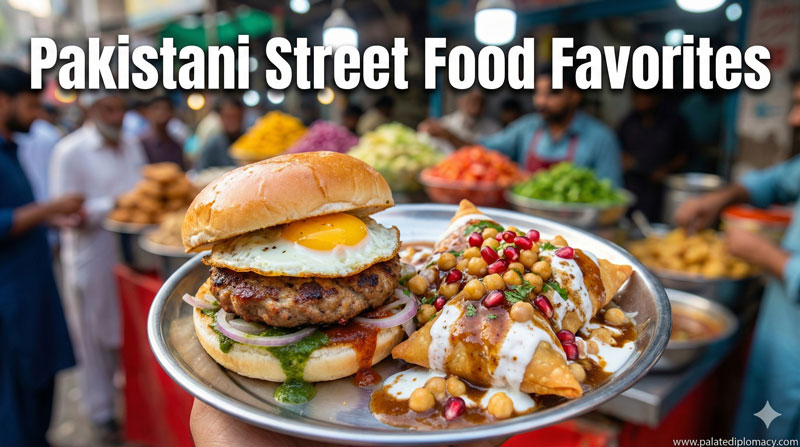
The foundation of Pakistani chaat is practical, delicious, and easy to love. A crisp base, such as puri or papdi, provides a sturdy mouthfeel. Yogurt adds creaminess and cool balance. Two tangy chutneys—tamarind and mint—deliver bright, contrasting notes. A touch of chili wakes the palate, while roasted cumin and chaat masala spark the aroma. Crispy sev and finely chopped onions or coriander finish the plate with texture and color. Each element is chosen to play a role in the overall conversation of flavors. The result is a harmonious splash rather than a single dominant taste.
Chefs and home cooks respect balance. They adjust sweetness, sourness, and heat to suit the moment. Fresh herbs brighten the dish just before serving. The method is straightforward, but the result feels refined. This simplicity makes chaat accessible to families, vendors, and neighbors alike. The process invites participation, from assembling components to tasting and tweaking. In short, chaat demonstrates how thoughtful contrasts create depth in everyday cooking.
Textures and Culinary Philosophy
Chaat celebrates texture as a language. The crunch of the fried base contrasts with the velvet yogurt. The silky chutneys flutter against tangy acidity. Finely chopped onions, herbs, and chickpeas add bite and fullness. This interplay mirrors a broader culinary style that values layering rather than a single flavor punch. Texture matters as much as taste, guiding the pace of eating and the joy of discovery. The dish teaches a philosophy of balance: soft and crisp, sweet and sour, cool and warm.
In Pakistani kitchens, texture also signals freshness. Vendors often adjust toppings to highlight what is ripe or seasonal. A quick squeeze of lemon or a handful of fresh coriander can transform the bite. The practice shows respect for ingredients and for the moment of serving. Through texture, chaat communicates hospitality, care, and culinary craftsmanship.
Regional Expressions Across Pakistan
Chaat varies by city and neighborhood, yet the core idea remains the same. In bustling markets, Karachi offers a vibrant mix of chickpeas, raw onions, and tangy tamarind that echo the city’s lively pace. Lahore adds generous sprinkle of sev and bold chaat masala, creating a festive profile that suits family gatherings and street-side chats. Smaller towns favor bright, fresh components—mint, coriander, and crunchy puris—prepared quickly yet with clear pride in taste. Across regions, the dish adapts to local produce and preferences while keeping its playful, social spirit intact. This regional variation highlights how Pakistani food culture thrives on diversity within unity.
Social Life and Everyday Rituals
Chaat sits at the center of social life. It appears at markets, tea stalls, and family kitchens. Friends gather after work, sharing stories as they assemble plates. The order of toppings often reflects the cooks’ moods and the moment’s mood. This ritual builds a sense of belonging and welcome. Every bite becomes a small ceremony of sharing, conversation, and affection. In this way, chaat supports the fabric of daily life, offering a tasty, reliable way to connect with others.
Seasonal Freshness and Herbal Brightness
Seasonal greens, mint, and coriander shape the character of chaat. Fresh herbs lift the dish from ordinary to special. Tamarind and lemon brighten the tang, while yogurt cools the palate. Seasonal produce keeps the dish lively and relevant throughout the year. Vendors and cooks depend on harvest rhythms to keep chaat vibrant, affordable, and inviting. The result is a dish that ages gracefully with the calendar while remaining approachable for all.
The Language of Hospitality and Sharing
Chaat speaks through hospitality. Offering a plate is a gesture of welcome. It invites guests to pause, taste, and converse. The act of assembling chaat can be an invitation to exchange tips, stories, and memories. In homes and streets alike, chaat becomes a bridge between people, a small ritual that affirms kindness and community. By celebrating shared bites, the dish embodies a generous spirit that underscores Pakistani food culture.
Conclusion
Chaat is a lively reflection of Pakistani culinary culture. It shows how simple ingredients—crisp bases, tangy chutneys, creamy yogurt, and bright herbs—can come together with harmony and joy. The dish teaches balance, welcomes conversation, and honors seasonal freshness. Through its textures, flavors, and social role, chaat reveals a culture that values warmth, craft, and everyday beauty in food. If you listen closely, each bite tells a story of community, hospitality, and delight in the everyday feast.