
How Chaat Reflects Pakistani Food Culture
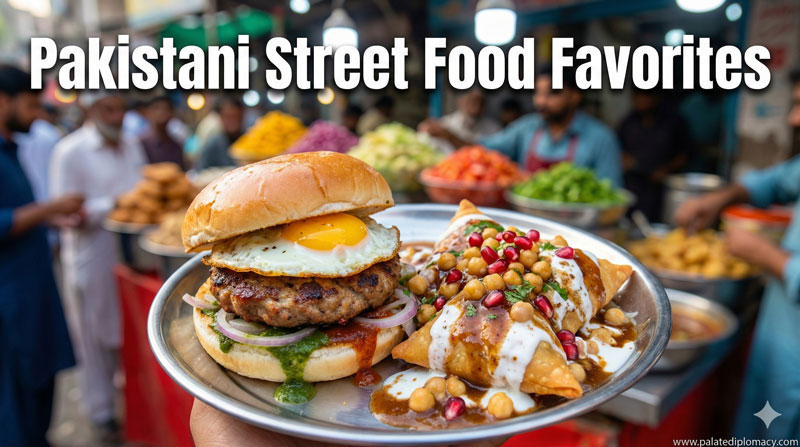
Chaat is more than a snack. It is a living portrait of daily life, taste, and shared moments in many Pakistani cities. This dish embodies hospitality, improvisation, and a love of vibrant flavors. When you watch a vendor layer ingredients, you see a culture that values balance, speed, and welcome. Chaat invites neighbors, friends, and family to gather, sample, and smile together. In short, it reflects a culture that cherishes food as a communal experience and everyday joy.
First, chaat shows how flavor rules daily life. The balance of sweet, sour, and spicy mirrors a broader preference for lively, layered flavors. Next, the craft of assembling chaat reveals a respect for texture and timing. A crunchy base, cool yogurt, bright chutneys, and fragrant spices come together in seconds. This harmony is not hurried produce; it is a practiced routine, a small ritual performed with care. Finally, the presentation matters. A colorful plate, a sprinkle of sev, and fresh herbs invite the eye as well as the palate. The result is a dish that feels festive, even in everyday moments.
Ingredients as Cultural Signals
Chaat relies on a core set of ingredients that travel well and pair beautifully. Yogurt provides creaminess and cooling balance. Tamarind and mint chutneys supply tang and brightness. Chickpeas, potatoes, and onions add substance and heartiness. Crispy papri and fine sev introduce crunch and texture. Toasted cumin and chaat masala bring aroma and a recognizable finish. Together, these elements communicate a love of contrast: soft versus crisp, cool versus warm, mild versus bold.
In addition, the produce choices tell stories of local markets and seasons. Fresh herbs, lemon juice, and seasonal vegetables appear as a reminder of place. The dish adapts to what is available, yet retains a signature structure. This adaptability is a mark of culinary confidence. It shows how cooks honor tradition while welcoming fresh flavors. The result is a familiar chorus of tastes that feels both timeless and current.
The Craft of Chaat Making
The making of chaat emphasizes skill and speed. First, a base is chosen—papri for crunch, bhalla for softness, or a simple potato and chickpea mix. Next, chutneys are added in careful order to control sweetness and acidity. Then yogurt is swirled in to soften sharp edges while preserving tang. Finally, a sprinkle of chaat masala and sev crowns the dish with aroma and crunch.
This craft balances technique with spontaneity. A good vendor reads the crowd and adjusts the spice level. In a moment, they transform plain ingredients into a vivid, satisfying plate. The skill lies in timing and layering, not in flashy equipment. The dish becomes a craftsman’s signature—distinctive in every bite, yet comfortably familiar.
Social Spaces: Markets, Homes, and Gatherings
Chaat thrives where people meet. Markets, streets, and home kitchens become stages for this dish. Families gather after work to share plates and stories. Friends linger over a corner stall, trading opinions on spice levels and chutney brightness. In these settings, chaat fosters connection and conversation. The act of sharing a plate reinforces hospitality and mutual respect. It is as much about people as it is about flavor.
Moreover, chaat travels across ages. Younger cooks learn from elders, then add their own twists. The result is a living tradition that respects memory while inviting innovation. In every bite, you sense a culture that values communal eating, generosity, and the simple pleasure of a well-made snack.
Regional Flavors Within Pakistan
Within Pakistan, chaat wears regional accents. Coastal cities favor bright tang with mint and tamarind, producing a zesty, refreshing finish. Inland regions lean into heartier textures, featuring crisp bases and rich contrasts. In Lahore and Karachi alike, aloo chaat and papdi chaat are popular, each with its own balance of spice, tang, and sweetness. Yet the core idea remains the same: a thoughtful arrangement of textures and flavors that invites sharing. This regional variety enriches the dish, showing how diverse produce and preferences shape a common favorite.
Senses, Texture, and Aroma
Chaat pleases multiple senses at once. You notice the aroma of roasted cumin and fresh herbs as it arrives at the table. The first bite delivers a tangy kick from chutneys, followed by the smooth coolness of yogurt. Then comes a crunch from papri and sev. The final touch—a pinch of salt or a squeeze of lemon—brightens the entire plate. This sensory layering makes chaat memorable and inviting. It demonstrates how carefully chosen components can harmonize to satisfy both appetite and curiosity.
A Living Tradition of Joy and Innovation
Chaat remains a living tradition because it evolves with seasons, markets, and cooks. Home kitchens experiment with new toppings, while street vendors perfect familiar combinations. This ongoing adaptation keeps chaat relevant and beloved. It also highlights a culture that values accessibility and generosity. Chaat can be enjoyed as a quick snack, a family meal, or a celebratory treat. In every setting, it speaks of warmth, welcome, and the beauty of simple, well-balanced food.
In summary, How Chaat Reflects Pakistani Food Culture offers more than a recipe. It presents a microcosm of daily life, hospitality, and regional pride. It celebrates texture, aroma, and color, while reminding us that good food thrives where people gather. Chaat stands as a delicious testament to the joy of shared meals and the artistry of everyday cooking.