
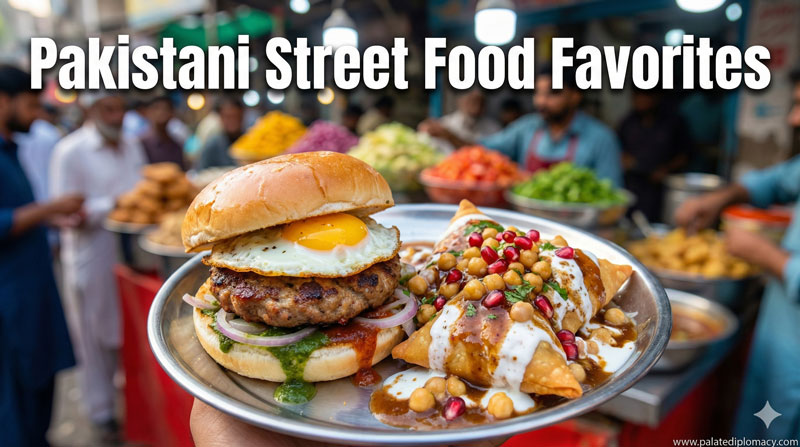
What is Chaat?
How Chaat Reflects Pakistani Food Culture begins with a simple idea: chaat is a family of savory snacks that invites curiosity. In Pakistan, chaat spans a range of textures, colors, and bright flavors. A bowl or a plate brings together crisp bases, soft fillings, and tangy-sweet chutneys. Yogurt adds creaminess, while herbs and spices lift the entire bite. This dish shows how hospitality, craft, and everyday cooking come together in one shared experience.
The Texture and Taste Palette
Chaat stands out because it layers contrasts. A single bite can switch from crisp to creamy to juicy. The crunch comes from fried wafers or chickpea flour crisps. The heart offers tender potatoes or fluffy lentils. The tang from tamarind chutney meets the freshness of mint chutney. A hint of heat travels through chili, while cooling yogurt softens the heat and rounds the flavors. Chaat masala adds a warm, citrusy note that ties the entire plate together. This balance mirrors how many Pakistani kitchens celebrate variety in a single course—fragrant, lively, and comforting at once.
Chaat in Pakistani Street Kitchens
In Pakistan, chaat is a staple of street stalls and busy markets. Vendors assemble bowls with care, guiding the flavors to suit each guest. The process is inviting: a quick trip to the kitchen of a nearby vendor, then a personal touch as ingredients are layered to taste. This accessibility and responsiveness reflect a culture that values fresh ingredients, quick wit, and warm hospitality. Every plate becomes a small conversation between cook, customer, and the wafting aromas.
Regional Styles in Pakistani Chaat
Pakistani chaat is diverse, yet united by shared techniques. Common forms include papdi chaat, aloo chaat, dahi bhalla chaat, and samosa chaat. Each variant leans on local pantry items. Papdi chaat relies on crisp wafers that crack pleasantly under the spoon. Aloo chaat emphasizes boiled potatoes with herbs and lemon. Dahi bhalla chaat uses soft lentil dumplings drenched in yogurt and drizzled with chutneys. Samosa chaat pairs crunchy triangles with yogurt, chutneys, and sev for extra texture. Across regions, cooks adapt the spice level and sweetness to local tastes, while keeping the core idea: vibrant, friendly food meant to be shared.
Preparing Chaat: Ingredients and Assembly
Chaat thrives on fresh, bright components. Common building blocks include boiled potatoes, chickpeas, yogurt, sev (crunchy noodles made from chickpea flour), chopped onion, coriander, and pomegranate seeds for a jewel-like finish. The chutneys matter: tamarind for zing, mint for freshness, and a light sprinkle of chaat masala for aroma. Assembly is playful and practical. A base is layered, then toppings are added in steps, and final touches tie the dish together. The result feels crafted yet approachable, as if each cook adds a personal signature while honoring traditional flavors.
Social Moments Around Chaat
Chaat is more than food; it is an occasion for connection. Friends meet at markets, families share bowls after work, and neighbors linger over a plate or two. The act of assembling and sharing chaat creates a small social ritual. People chat, laugh, and sample different combinations. The dish evolves in the moment, guided by taste and generosity. In this way, chaat mirrors the warmth and openness that many families bring to everyday meals, turning a quick snack into a memorable moment.
Pairings and Everyday Culture
Chaat pairs beautifully with hot chai or a cooled yogurt drink. The contrast between a spicy bite and a soothing beverage mirrors the dance of flavors in daily life. This pairing highlights balance as a cultural value: comfort and excitement, simplicity and care, all in one quick plate. When enjoyed at Home or on the go, chaat reinforces a sense of place—where food is fresh, where cooks improvise with what’s available, and where sharing dining moments strengthens community ties.
A Gentle Conclusion
How Chaat Reflects Pakistani Food Culture celebrates a dish that is both simple and sophisticated. It shows how a constellation of ingredients can sing together in harmony, how street corners become classrooms for flavor, and how regional twists honor local produce. Chaat embodies hospitality, craft, and joy. It invites everyone to slow down just enough to savor textures, aromas, and conversations—one vibrant bite at a time.