
Introduction
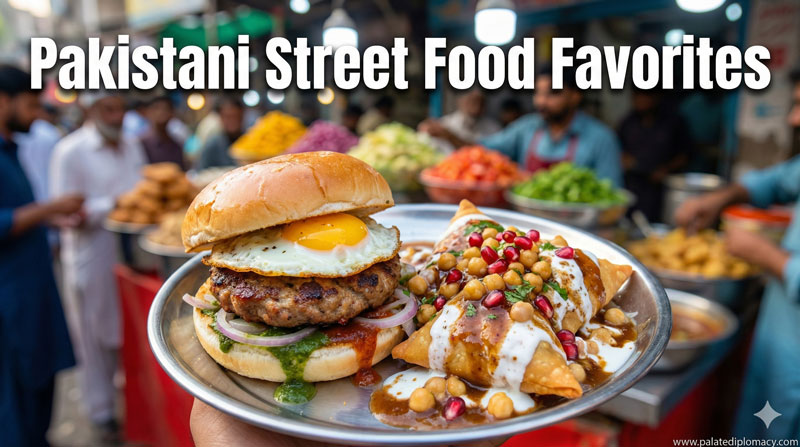
Chaat is more than a snack; it is a living thread in Pakistani dining. This dish gathers friends and family around a shared plate, inviting conversation as bold flavors mingle. In Pakistani food culture, chaat signals hospitality, celebration, and daily comfort. It stands at the crossroads of street reverie and home kitchen craft, showing how taste can unite people with everyday joy.
What is chaat in Pakistani cuisine?
Chaat refers to a family of snacks built on bright contrasts. Think crisp wafers, soft vegetables, creamy yogurt, and sharp chutneys. The balance of sweet, sour, salty, and spicy creates a lively palate. Each bite brings a new texture, from crunchy sev to tender potato, from smooth yogurt to tangy tamarind. Vendors and home cooks alike layer flavors with care, making chaat both reliable and surprising. In this way, chaat mirrors the ingenuity of Pakistani cooking, where simple ingredients become festive moments.
The flavor symphony and its texture
The appeal of chaat rests on a masterful texture plan. First comes crunch, often from fried dough or sev. Next, creaminess settles in with yogurt or chutneys. Then the zing of tamarind and mint lifts the dish, followed by a final spark of chaat masala. This sequence makes each mouthful dynamic. Moreover, cooks choose ingredients to highlight local freshness. Fresh herbs, sharp onions, and bright cilantro brighten the plate. In short, chaat delivers a harmonious balance of texture and taste that invites repeat tasting.
Significance in Pakistani street food culture
Chaat thrives where people gather: markets, bazaars, and street corners. It becomes a staple during evening strolls, after prayers, or when friends meet for a quick bite. The act of sharing chaat reinforces warmth and connection. Vendors tailor each plate with a gentle smile and a quick tip about the best chutney. Likewise, families savor chaat after a busy day, making it a comforting ritual. In these moments, chaat reveals how Pakistani food culture values togetherness, generosity, and joyful eating.
Techniques and ingredients that shape the dish
Craftsmanship matters in chaat. Vendors and cooks select ingredients with care and seasonal awareness. Crisp papri or puri provides a sturdy base; sev adds a delicate crunch. Yogurt lends a cooling counterpoint to fiery chutneys. Tamarind chutney provides tangy sweetness, while mint chutney brings brightness. A sprinkle of chaat masala adds a final, aromatic lift. Meanwhile, chopped onions, fresh coriander, and boiled potatoes tie the dish together. The technique is simple, yet the result feels deliberate and celebratory.
Regional variations and local expressions
Across provinces, chaat adapts to local produce and preferences. Punjab may favor hearty aloo chaat with robust spice blends. Sindh often emphasizes tangy and tart notes, balancing sweet chutneys with bright herbs. In other regions, cooks customize with regional vegetables and herbs, keeping a familiar structure while telling a Local story. This flexibility shows how Pakistani food culture values regional flavors while preserving a shared heritage of chaat. The result is a rich tapestry, where a single concept becomes many delightful expressions.
Social ties and the art of sharing
Chaat acts as a social glue. Friends invite each other to sample a platter, and families pass plates around with care. The shared plate creates easy conversation and a sense of belonging. Even the tallest conversations pause for a bite, then resume with renewed energy. In this way, chaat strengthens social ties and celebrates communal eating. The dish becomes a small, joyful ceremony within daily life.
Serving traditions and etiquette
Serving chaat is a graceful, unhurried act. A careful balance of chutneys is essential, as it can make or break the experience. People often place chaat in the center of the table, inviting everyone to choose their preferred combination. A fresh squeeze of lemon and a final dusting of herbs can brighten the whole plate. These rituals honor the dish and the moment, turning a snack into a shared memory. The practice mirrors the broader value placed on hospitality in Pakistani culture.
The beauty of chaat as a cultural staple
Ultimately, chaat reflects the beauty of Pakistani food culture in a simple, powerful way. It celebrates everyday cooking that feels festive. It honors local ingredients and quick, skillful technique. And it shines in its ability to bring people together, spark conversation, and create comfort with flavor. By embracing chaat, we recognize how food can express care, welcome, and joy. This is why chaat remains a beloved staple, continually renewing its place in homes and streets alike.
Conclusion
Chaat stands as a vivid emblem of Pakistani culinary culture. It blends texture, color, and aroma into a single, social experience. Through its careful layering of flavors and its spirit of sharing, chaat teaches us about hospitality, regional variety, and everyday delight. Embracing chaat means embracing a tradition that values community, craft, and the joy of good food.