
Introduction
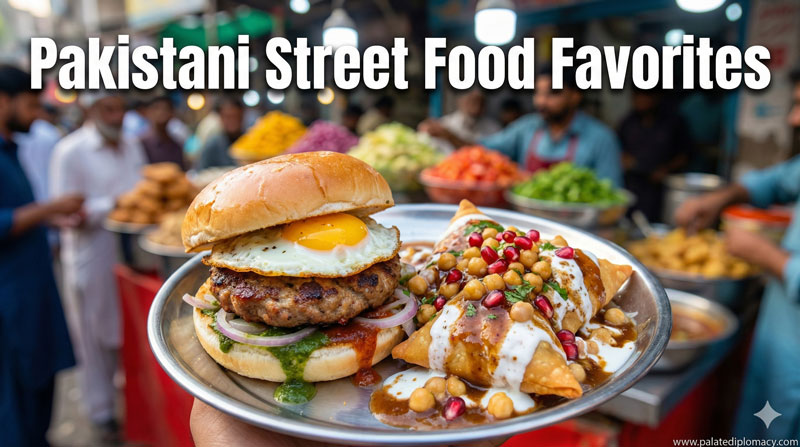
Chaat is a beloved snack that sits at the heart of Pakistani Food Culture. It is more than a dish; it is a quick ceremony of hospitality, color, and conversation. Vendors line busy streets, markets hum with chatter, and families gather around a shared plate to celebrate flavors that are bright, bold, and welcoming. This post explores how chaat reflects cultural values and culinary craft. It highlights the way the dish brings people together and how its flavors tell a story of regional ingredients, shared techniques, and everyday joy.
The Flavor Map of Chaat
Chaat is built from a careful balance of tastes. The tang of tamarind and the zing of lemon or lime wake the palate. Mint and cilantro chutneys add fresh aroma and green brightness. A dollop of cool, creamy yogurt provides relief from heat and a softer note in the mix. The steps to balance come from practice and care, not chance. A pinch of chaat masala adds a familiar lift with a hint of citrus and smoke. The sweet note from a touch of sugar or jaggery can temper sharpness. In Pakistan, cooks tune tang, sweetness, spiciness, and salt to suit the crowd and the moment. The result is a chorus of flavors that satisfies all kinds of cravings in a single bite.
- Tangy and bright: tamarind and citrus
- Fresh and green: chutney herbs
- Creamy and cool: yogurt
- Warm and comforting: spices and sev
- Subtle sweet counterpoint: jaggery or sugar
This balance mirrors a broader cultural value: food is an invitation to meet, taste, and enjoy together. Chaat teaches that harmony comes from attentive layering and thoughtful seasoning, not from a single bold note.
The Texture Story
Texture is the language through which chaat speaks. Crunch comes from crisp papri or papri wafers and from sev, tiny fried noodles that scatter across the top like confetti. Softness arrives in boiled potatoes, creamy yogurt, and silky chutneys. The contrast between crisp base and tender center keeps the eater engaged. A bite can begin with a crisp snap, then yield to creamy yogurt, and finish with a burst of tangy chutney. This texture play is not accidental; it is a deliberate craft that celebrates variety in a single dish.
Chaat’s textures also reflect resourcefulness. The dish often uses simple, everyday ingredients transformed by technique. The crisp elements provide structure, while fresh toppings and chutneys deliver brightness. The result is a dish that is satisfying in multiple moments: a quick bite on the street, a shared plate at Home, or a comforting side during a festival night. The texture story reinforces hospitality: a little something sturdy, a touch of softness, and a spark of crunch to lift the mood.
Social Ties and Shared Moments
Chaat is inherently social. It is the kind of food that invites conversation, quick decisions, and communal enjoyment. A street vendor becomes part of the neighborhood ritual, a familiar face who adds a personal touch to the plate. Families with children, friends between errands, and coworkers on a break all turn to chaat as a common ground. Sharing a plate becomes a small ceremony of care: allowing someone to try a favored topping, adjusting heat levels, or passing a few extra napkins.
Markets and stalls become social hubs where taste and talk mingle. The act of ordering, assembling, and consuming chaat creates a tempo of daily life that is welcoming and inclusive. People learn about ingredients through taste—what looks interesting, what is spicy, what balances sweetness. The dish becomes a running thread in the social fabric, linking generations through favorite flavors and shared memories.
Regional Voices in Chaat
Pakistan’s many regions contribute distinct flavors and styles to chaat. In Punjab, hearty potato-based chaats, enriched with savory spices and yogurt, feel comforting and robust. Sindh might offer crisp papri-style chaat with a tangy edge and a touch of sweetness that brightens the finish. In the northern areas, certain herbs and mountain-grown ingredients can appear in chutneys or toppings, adding brightness and freshness. Across regions, vendors adapt chaat to seasonal produce and local preferences, keeping the dish lively and relevant.
This regional variety shows a cultural value: local ingredients and techniques shape shared dishes, creating a pallette that feels both familiar and exciting. The same dish becomes a canvas where regional identity is expressed through taste, texture, and presentation. The result is a versatile food culture that respects tradition while inviting experimentation and personal preference.
The Craft of Chaat Preparation
The craft behind chaat rests on timing, freshness, and balance. A skilled vendor or home cook understands when to add each component for maximum impact. They select crisp bases just before serving, filter chutneys to maintain brightness, and fold in yogurt at the right moment to avoid crowding flavors. Fresh herbs are added near the end to preserve aroma. Garnishes such as chopped onions, coriander leaves, pomegranate seeds, or sev provide color and a final lift.
Care for cleanliness and quality is part of the craft. Fresh ingredients, clean utensils, and careful handling ensure every bite is bright and inviting. The artistry is in the assembly: layering, spacing, and the precise amount of each component so that the final plate is balanced, not overwhelmed. This craft speaks to cultural values of attentiveness, hospitality, and pride in daily work. It demonstrates how skillful preparation can elevate a simple snack into a moment of delight.
Serving, Etiquette, and Everyday Moments
Chaat is often served in small bowls or on simple paper wrappers, ideal for a quick, shared experience. The idea is ease, speed, and accessibility, so many can enjoy it without ceremony. Yet the moment carries its own etiquette: a nod to the vendor, a smile, a quick thank you, and a mutual appreciation for good flavors. People often customize their plate with extra chutney, more yogurt, or a dash of spice, making each serving personal. Tea may accompany the snack, turning a quick bite into a pause for conversation.
This simple ritual reflects how food anchors everyday life. Chaat becomes a catalyst for friendly dialogue, a safe space for trying new tastes, and a reminder that good food is best when shared. The dish invites curiosity and conversation, inviting everyone to slow down just long enough to savor a moment together.
Conclusion
How chaat reflects Pakistani food culture is a study in balance, accessibility, and communal joy. The dish reveals how flavor is crafted with care, how texture keeps the palate engaged, and how food can knit people closer in daily life. It shows that hospitality is not a grand event but a small act of sharing a plate, a bite, and a laugh. Chaat embodies a culture that values freshness, regional diversity, and the beauty of simple ingredients brought together with skill and warmth. If you listen closely, each bite tells a story of place, people, and the cheerful rhythm of everyday life.