
Introduction: A Snack That Weaves Culture and Craft
Chaat in Pakistani cuisine is more than a treat for the palate. It is a shared moment of hospitality, a festival of textures, and a gentle chronicle of daily life. This dish rose from simple street stalls into homes, markets, and family gatherings, where friends and relatives connect over bright flavors. In this post, we explore how chaat Became Popular in Pakistani cuisine, highlighting its cultural value and culinary significance. The focus stays on the beauty of the dish, the care in its preparation, and its welcoming place in Food Culture.
Core Elements: What Makes Chaat What It Is
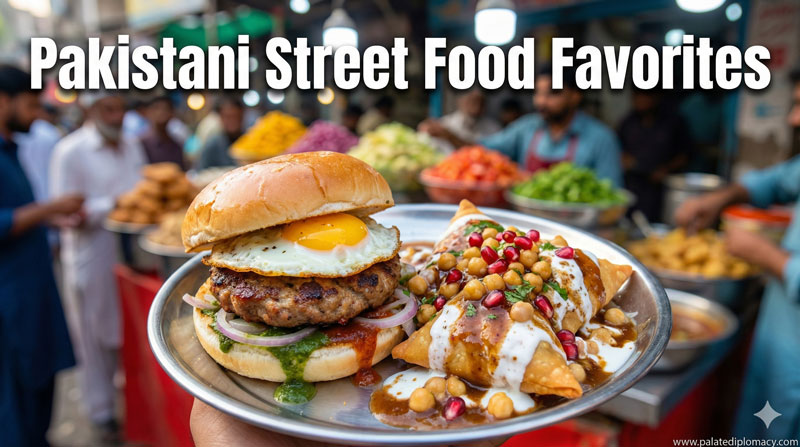
A classic Pakistani chaat rests on a few essential elements. Crisp bases such as puri or papdi provide a playful crunch. A warm layer of potatoes, chickpeas, or other vegetables adds heartiness. Yogurt brings creaminess, while tangy tamarind and bright mint chutneys add sharp, refreshing notes. A sprinkle of sev or boondi adds a delicate crunch on top. Fresh onion, coriander, and a dash of chaat masala complete the balance of flavors. Each component stays in harmony with the others, inviting the palate to explore sweetness, sourness, saltiness, and spice in a single bite. The result is a dish that is instantly lively, visually inviting, and deeply satisfying.
Texture and Flavor: A Dance of Contrasts
Chaat delights through contrasts. The crisp bite of fried elements meets the soft warmth of chickpeas and potatoes. Creamy yogurt smooths the tangy chutneys, while the crunch of sev offers a delicate snap. The flavors sing together in a swift tempo: a hint of sweetness, a tang of sourness, and a comforting saltiness. This dynamic balance makes chaat approachable for many tastes and adaptable to seasonal produce. In Pakistani kitchens, cooks tune these contrasts with care, ensuring every spoonful feels bright, comforting, and memorable. The cuisine celebrates texture as much as taste, inviting the eater to discover something new with each bite.
Social Tapestry: Chaat as a Shared Experience
Chaat carries a rich social value in Pakistan. It often appears at street stalls that draw neighbors and visitors alike, creating a lively space for conversation and connection. at Home, chaat becomes a welcome dish for guests, a friendly gesture that signals hospitality. Preparing a batch can be a family ritual, with different hands adding chutney, onions, or yogurt. Sharing bowls around a table or a stall fosters conversation and a feeling of community. In this way, chaat is not just food; it is a social practice that strengthens everyday relationships and celebrates togetherness.
Regional Touches: Local Flavors Across Pakistani Cities
Across Pakistan, chaat adapts to local tastes and available ingredients while maintaining its core identity. In bustling city markets, cooks blend chickpeas, potatoes, onions, and chutneys with locally favored spices. Some stalls add fresh herbs, citrus notes, or pomegranate seeds for a bright finish. The use of yogurt remains central, but the balance between tangy and sweet chutneys can shift from stall to stall, reflecting regional preferences. This variety highlights the dish’s flexibility and its capacity to reflect the food culture of different neighborhoods, markets, and households while staying recognizably “chaat” in spirit.
Modern Visions: Chaat in Contemporary Kitchens
Today, chaat inspires creative expressions in both casual eateries and refined kitchens. Chefs experiment with presentation, offering “chaat-inspired” small plates that emphasize texture and freshness. Home cooks adapt recipes to seasonal produce, crafting fruit chaats with seasonal citrus or berries for a refreshing twist. Yet the heart remains the same: a bright balance of flavors, a satisfying crunch, and a sense of generosity. This openness—honoring tradition while inviting innovation—keeps chaat a living, evolving part of Pakistani culinary culture.
How to Appreciate Chaat: A Simple Guide
- Start with the aroma: note the minty, tangy, and slightly spicy hints from chutneys.
- Taste the base: enjoy the crisp texture of puri or papdi, followed by the soft potatoes or chickpeas.
- Move to the creamy layer: a spoon of yogurt creates a smooth counterpoint.
- Finish with zing: a touch of tamarind, a kiss of chaat masala, and a final crunch of sev.
- Pair thoughtfully: chaat shines with a warm cup of tea or a refreshing drink, offering a comforting balance to spice and tang.
- Enjoy with others: sharing a bowl amplifies the dish’s social warmth and cultural value.
Conclusion: A Bright Thread in Pakistani Culinary Life
Chaat’s popularity in Pakistani cuisine speaks to more than taste. It embodies hospitality, regional craftsmanship, and the joy of shared meals. The dish invites cooks and diners alike to celebrate contrasts—crisp and soft, sweet and sour, simple and vibrant. Through its approachable format and adaptable flavors, chaat remains a beloved bridge between daily life and festive occasions. In every bite, it offers a small, bright glimpse into the beauty of Pakistani food culture.