
Introduction
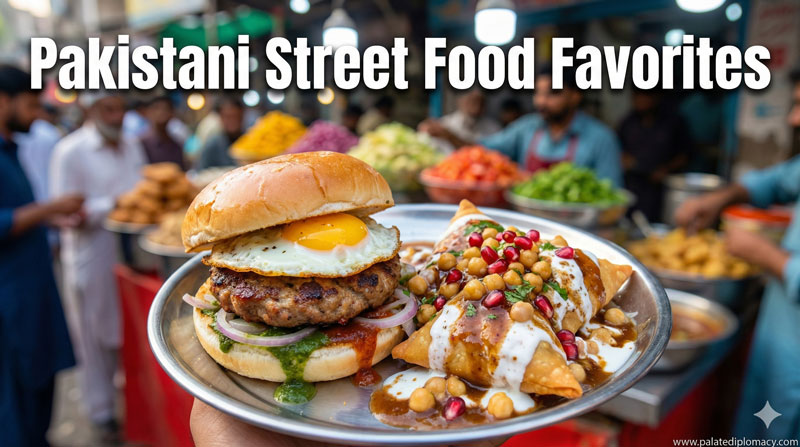
Chaat has a cherished place in Pakistani cuisine, celebrated for its lively contrasts and welcoming spirit. This blog explores how chaat became a beloved fixture on many plates, boards, and street corners. It blends bright flavors with comforting textures, inviting people to share a moment around a single plate. The Story is about taste, craft, and the social value of a dish that invites curiosity and conversation.
The Evolution of Chaat in Pakistani Cuisine
Chaat arrived in everyday kitchens through generations of cooks who loved bright, balanced flavors. It transformed from a simple snack into a versatile centerpiece shared at gatherings and in busy markets. Cooks adapted recipes to local ingredients, crafting a menu that reflects regional tastes. Over time, chaat matured into a showcase of technique, from steaming potatoes to crisp sev, ready to mingle with tangy chutneys and yogurt. The result is a dish that feels both familiar and exciting, a testament to culinary curiosity.
Key Flavors and Techniques
The magic of chaat lies in harmony. Tangy tamarind and fresh mint chutneys pair with cool yogurt to create a bright double act. Crunch comes from papdi, sev, and fried dough, interwoven with soft textures from boiled potatoes and chickpeas. Spices ride the palate with chaat masala, cumin, and chili, balanced so heat never overpowers. Assembly matters: a careful layering heightens aroma and bite, while fresh coriander and onions finish the plate with color and lift. The result is a medley that excites all senses and invites a second bite.
Regional Variations and Staples
Across Pakistan, chaat wears many regional flavors. In some cities, crunchy papdi and yogurt mingle with chickpeas for a comforting bowl. In others, steaming potatoes meet tangy chutneys on a crisp base, producing a bright, portable snack. Regional toppings—such as fresh herbs, pomegranate seeds, or sev—add local character without changing the core technique. These variations show how a single concept can adapt with grace, while keeping the familiar joy of chaat intact.
Social and Culinary Significance
Chaat serves as a social connector, often enjoyed with friends, family, and neighbors. It thrives in markets, street stalls, and small eateries where people share stories as they share a plate. The dish acts as a bridge between casual snacking and a celebratory meal, offering a space for slow savoring or quick bites. For hosts, presenting chaat is a gesture of hospitality, inviting guests to sample together and to explore a range of flavors. In this way, chaat enriches daily life with texture, scent, and warmth.
Modern Adaptations and Where to Enjoy It
Today, chaat appears in traditional stalls and in modern kitchens alike. Chefs experiment with ingredients while preserving the core balance of sweet, sour, salty, and spicy. Vegetarian and vegan options shine, proving that chaat remains accessible to many tastes. You can find a thoughtful plate at a bustling bazaar stall, a family-run cafe, or a contemporary restaurant menu. The dish invites visitors to explore texture and contrast, turning a simple bite into a memorable moment.
Tips for Enjoying Chaat
- Look for a balance of textures: crisp elements with soft vegetables and creamy yogurt.
- Notice the sweet-sour-tangy dialogue between chutneys and spices.
- Savor in small bites to appreciate each layer, then enjoy the whole plate as a shared experience.
- Try different regional twists to discover how the same idea can delight in many forms.
Conclusion
Chaat’s popularity in Pakistani cuisine comes from its vibrant flavors, thoughtful technique, and social warmth. It remains a dish of welcome—easy to Enjoy alone or with others, and rich in texture and aroma. Its continuing appeal lies in its ability to celebrate local ingredients while inviting everyone to a shared moment of delight.