
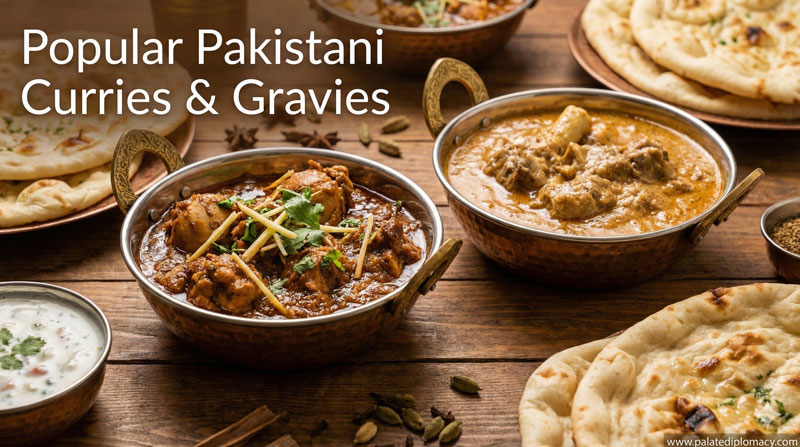
Chana masala is more than a curry. In Pakistan, it is a warm, comforting staple that invites family and friends to gather around the table. The dish carries a bright aroma, a heartening texture, and a sense of everyday hospitality that makes meals memorable.
What is Chana Masala?
Chana masala features chickpeas in a tomato-onion gravy enriched with spices. The base blends cumin, coriander, turmeric, and chili with garam masala for depth. A splash of lemon or amchur (dried mango powder) adds a gentle tang. Fresh cilantro and a light drizzle of oil or ghee brighten the finish. The result is a dish that feels both robust and approachable, with a balance of savory, sour, and earthy notes.
A Dish Woven into Pakistani Everyday Life
This dish travels through kitchens and street carts alike. It appears on weeknight tables after a busy day and at casual gatherings when guests arrive spontaneously. Its aroma signals warmth and welcome. Chana masala is practical as well as comforting: it is nourishing, easy to scale for a crowd, and forgiving enough to adapt to what’s in the pantry. The dish often becomes a shared memory, a touchstone of home cooking that people pass down with tips and tweaks from one generation to the next.
Regional Touches Across Pakistan
Across regions, chana masala wears subtle regional accents. In Punjab, a hearty, glossy gravy often carries a bold spice presence and a hint of asafoetida for depth. In Sindh, cooks may lean into a tangy brightness from amchur or dried pomegranate seeds. In the northern belt, a touch of green chilies or a smoky finish can appear, echoing local ingredients. Yet the core remains the same: chickpeas in a warmly tangy, savory sauce that invites scooping with bread or rice.
The Culinary Craft: Techniques and Flavors
Great chana masala starts with quality chickpeas, soaked until tender. Then onions and tomatoes simmer to Create a rich base. Spices bloom in hot oil, releasing fragrance as cumin crackles and coriander wakes up the sauce. The chickpeas simmer gently, absorbing flavor while keeping a tender bite. Finish with fresh cilantro and a squeeze of lemon for brightness. The technique is simple, but the result feels thoughtfully crafted.
Serving Traditions and Pairings
Chana masala shines when paired with flatbreads like roti, naan, or bhature, or with steaming rice. Slices of onion, lemon wedges, and a small dish of pickle or yogurt accent its flavors. The dish adapts to the moment: a weeknight dinner can be quick and comforting; a weekend meal can invite guests to linger and chat.
The Social Moment: Sharing and Celebration
Beyond taste, chana masala represents togetherness. It brings people to the table, encouraging conversation, sharing, and care. In homes and eateries alike, its presence signals hospitality and joy. The dish lends itself to stories about family, tradition, and the small rituals that make meals special.
Health, Accessibility, and Adaptability
Chana masala is rich in protein and fiber, making it a satisfying plant-based choice. Dried chickpeas offer economy and flavor, while canned chickpeas provide speed without sacrificing texture. The dish welcomes adjustments in spice level and tang, so cooks can tailor it to their pantry and palate.
A Window into Flavor and Culture
Ultimately, chana masala in Pakistan is a celebration of flavor, warmth, and everyday culture. It honors simple ingredients, patient simmering, and generous portions shared with others. The dish stands as a quiet, lasting testament to how a tomato-soaked chickpea curriy can become a beloved touchstone in a nation’s food landscape.