
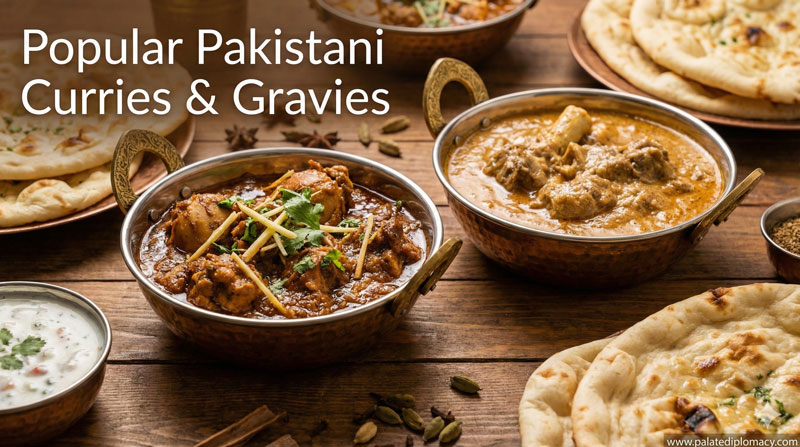
The Heart of Chana Masala in Pakistan
In Pakistan, chana masala stands as a beloved vegetarian curry. The dish centers on chickpeas simmered in a bright, aromatic tomato-onion masala. It travels from home kitchens to lively street stalls and often graces family tables every day. The recipe speaks of hospitality, patience, and care. When a pot of chana masala is shared, guests feel welcomed, and cooks feel the joy of feeding loved ones. The dish celebrates everyday meals as social rituals, where good flavor becomes a bridge between hearts.
A Dish of Community and Comfort
Chana masala thrives where people gather, exchange smiles, and savor warmth in a bowl. Families ladle it onto plates, pair it with fluffy naan or steaming rice, and pass dishes around with gratitude. In markets and dhabas, the scent of spices draws people in, inviting neighbors to taste together. The dish is flexible, embracing what is on hand while keeping its comforting core. This adaptability reflects a culinary culture that values nourishment shared with others.
Core Ingredients that Tell a Story
- Chickpeas: the sturdy heart, tender inside
- Onions: a base of sweetness and depth
- Tomatoes: brightness and body
- Garlic and ginger: sharp, fresh lift
- Spices: cumin, coriander, turmeric, chili, garam masala
- Fresh herbs: cilantro for color and aroma
- Tang and balance: amchur powder or a squeeze of lemon
- Oil or ghee: provides richness and helps bloom flavors
These components come together to tell a simple, lively story. This blend creates a color that glows in the pot and a fragrance that welcomes everyone to the table.
The Technique that Delights
First, onions are sautéed until they turn a warm amber. Then garlic and ginger are added, followed by a shower of ground spices. The spices bloom in the oil, releasing fragrant notes that define the dish. Tomatoes soften and merge with the masala, giving it a bright, tangy backbone. Chickpeas join the simmering sauce and soak in the flavors as the curry thickens. Finally, a short rest lets the spices settle, and the dish becomes smoother and more cohesive. The technique behind chana masala makes a simple ingredient sing with personality.
Regional Threads: Punjab, Sindh, and Beyond
Across Pakistan, cooks adapt chana masala to local produce and tastes. In Punjab, the dish often carries a robust, peppery warmth with a deep, earthy hue. Sindh may introduce brighter tang and aromatic lifts, sometimes using amchur for a crisp finish. Coastal and southern areas might emphasize freshness and balance, while rural kitchens rely on pantry staples that deliver dependable comfort. Regardless of variations, the core idea remains: a dependable, flavorful curry that brings people together.
Serving with Grace: Pairings that Elevate the Experience
Chana masala shines when paired with naan, bhature, or steamed rice. A side of cool yogurt, tangy pickles, or a crisp salad adds contrast and balance. A squeeze of lemon brightens the plate, and chopped cilantro provides a finishing green note. The serving ritual—sharing bowls, passing bread, and offering seconds—enhances the sense of hospitality that lies at the heart of Pakistani Food Culture.
Festivals and Everyday Moments
The dish appears in both everyday meals and festive settings. It accompanies the joys of family gatherings, late-afternoon chats, and restful Sunday meals. During special occasions, cooks might elevate the curry with a few extra spices or a touch of garnish, but the essential spirit remains the same: food that nourishes, unites, and honors guests. In Ramadan, a warm pot of chana masala often returns after fasting hours, offering nourishment and comfort at sehri and iftar alike.
A Sensory Feast: Aroma, Color, and Texture
The curry glows with a warm orange-brown tone, a sign of slowly developed spices. The aroma rises in waves: toasted cumin, coriander, and garlic mingle with onion sweetness. The texture combines soft chickpeas with a velvety, tomato-based sauce. Each mouthful delivers a gentle tang, a hint of heat, and a comforting savor that lingers on the palate. This sensory contrast—savory, bright, and cozy—anchors the dish in memory and daily practice.
A Living Tradition: Modern Takes and Respect for Heritage
Today, home cooks keep chana masala vibrant by adjusting spice levels and ingredients to suit taste and season. Some add spinach for color and nutrients; others experiment with different herbs or a touch of yogurt for creaminess. Yet, the essence stays intact: a humble chickpea curry that invites sharing and conversation. The dish continues to evolve while honoring a long-standing culinary practice of care, hospitality, and community.
Conclusion: Chana Masala as a Cultural Embrace
Chana masala is more than a recipe in Pakistan; it is a cultural gesture. It speaks of home kitchens where flavors are shaped with patience, of street stalls where voices mingle with sizzling pans, and of tables where friends and family gather to celebrate togetherness. The dish embodies nourishment, warmth, and the beauty of simple ingredients brought to life through thoughtful cooking. In every pot, chana masala tells a story of belonging and the joy of sharing good food.