
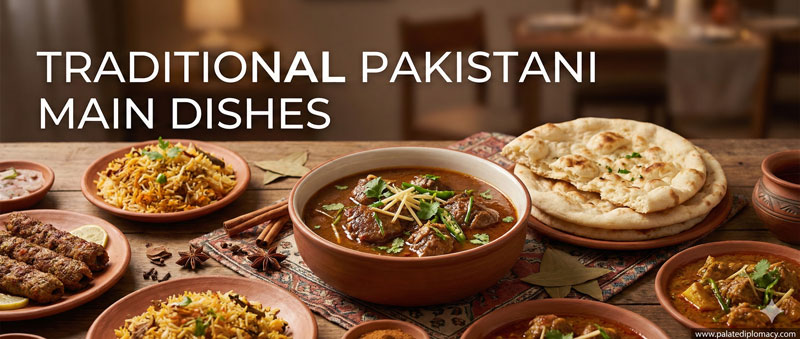
Introduction: The Allure of Chapli Kebab
Chapli kebab is more than a dish; it is a celebration of texture, aroma, and shared moments. Its crisp edges, juicy interior, and vibrant spices invite the senses to linger. In Pakistan, this flat, freckled patty embodies hospitality and everyday joy. Each bite carries a memory of family kitchens, bustling markets, and the warmth of guests welcomed with a plate of something special. In this post, we explore how chapli kebab reflects the heart of Pakistani food culture—its values, techniques, and the social beauty it brings to the table.
Roots and Reverence: A Dish at the Heart of Pakistani Food Culture
Chapli kebab has deep roots in the regions of Pakistan where bold flavors bloom. It is closely associated with the Pashtun culinary tradition, especially in the Khyber Pakhtunkhwa region, where cooks shape meat into broad, round patties and cook them on a hot surface until they glisten with spice. Over the years, chapli kebab has found a beloved place in homes, street stalls, and family gatherings across the country. The dish travels easily from a home kitchen to a busy market grill, always carrying a sense of celebration and welcome. Its popularity rests on a simple idea: food is a bridge that makes guests feel at home. The chapli kebab does this with aroma, texture, and balance.
Craft and Ingredients: What Makes a Chapli Kebab Distinct
A good chapli kebab starts with quality meat. Beef or lamb are common, but chicken can also be used for a lighter version. The meat is finely minced and blended with a chorus of spices and herbs. Key players include coriander seeds, cumin, green chilies, garlic, and fresh herbs such as cilantro. Beyond heat and aroma, many cooks add pomegranate seeds (anardana) and crushed dried spices to bring a tangy depth and a crunchy bite. Bindings vary: some cooks use a little egg, others rely on chickpea flour or breadcrumbs to hold the patty together without losing its loose, flaky texture. The result is a flat, thick patty that cooks quickly and crisps beautifully on the outside while staying juicy inside. The contrast of crackly crust and tender center is the signature sensation of chapli kebab.
The Sizzle and Technique: From Spices to Skillet
The making of chapli kebab blends technique with intuition. The patty is formed by hand, often with a light press that keeps it wide and flat. A hot skillet or grill delivers the crisp, golden crust in a short, satisfying sizzle. The spices release their fragrance as the surface browns, filling the kitchen with a warm, inviting aroma. Careful heat control matters: too hot, and the exterior scorches; too cool, and the patty becomes pale and dense. The best chapli kebabs are slightly uneven on the edges, a sign of handcraft and character. Some cooks finish the patty with a light brush of oil to enhance shine and crunch. The technique is simple in theory, yet it yields a complex, memorable bite that lingers on the palate.
Sharing and Hospitality: The Social Pulse of Chapli
In Pakistani culture, food is a shared experience, and chapli kebab Shines in this role. It is often prepared for guests, family meals, and festive occasions, turning a simple dish into a moment of connection. A platter of chapli kebabs invites conversation as friends and relatives gather around the table or a street-side grill. They are excellent as a centerpiece for a meal or as part of a larger spread with breads, chutneys, and salads. The act of presenting a stack of warm kebabs becomes a gesture of welcome and care. No matter where it appears, chapli kebab invites people to slow down and savor together, making it a symbol of hospitality in daily life.
Regional Variations and Serving Traditions
Across Pakistan, chapli kebab carries regional character without losing its essence. In the Khyber Pakhtunkhwa region, the blend tends to emphasize a bold, earthy warmth from coriander and cumin, balanced by tang from pomegranate seeds. In other areas, cooks might lean into green chilies and fresh herbs to Create a brighter, sharper profile. Pairings also vary: some serve chapli kebabs with a cooling yogurt sauce, while others favor a mint or coriander chutney for a fresh bite. Accompaniments often include chopped onions, sliced cucumbers, and juicy tomatoes—simple vegetables that brighten the plate and cleanse the palate between bites. The dish travels well with breads such as naan or chapati, which lift the kebab and its sauces into a satisfying, shared meal.
The Plate: Pairings, Condiments, and Accompaniments
A well-composed chapli kebab plate balances heat, tang, and freshness. Mint chutney provides a cool, herbal contrast, while coriander chutney adds brightness. A tangy yogurt sauce or raita can mellow the spices and add creamy texture. A crisp onion-tomato-cucumber salad, often seasoned with a pinch of salt and lemon, introduces crunch and acidity that cleanse the palate. For bread lovers, a warm naan or roti helps gather the flavors into a comforting bite-by-bite experience. The beauty of chapli kebab lies in its flexibility: it pairs with a spectrum of side dishes that highlight its spice-laden character while inviting personal preferences.
Regional Variations and Serving Traditions (continued)
Some chefs experiment with the texture by adjusting grind size or the amount of binding, producing patties that are denser or lighter. Others explore presentation, shaping the kebabs into larger rounds for sharing or into smaller portions for snacks. The cooking method can also vary: many cooks favor shallow frying on a hot tawa or skillet, while others grill over a gentle flame for a smoky edge. These variations illuminate the culinary culture around chapli kebab—how families, cooks, and vendors adapt a timeless recipe to local tastes and available ingredients. Yet common threads endure: a flat, boldly flavored patty, a crisp exterior, and an unforgettable aroma that signals a gracious meal.
Modern Takes: Innovation While Keeping Tradition
Today, homes and restaurants alike honor tradition while embracing creativity. Some cooks present chapli kebab as sliders, offering portable, shareable bites for gatherings. Others incorporate regional ingredients—like fresh herbs from a garden or locally grown peppers—to tailor heat and fragrance to the season. Health-conscious variations may reduce fat or use lean cuts, while still preserving the flavor foundation of coriander, cumin, and pomegranate. Yet even in modern twists, the essence remains: chapli kebab is a celebration of texture, spice, and communal eating. This continuity keeps the dish relevant while letting new generations explore its beauty in their own way.
Conclusion: A Dish That Tells a Cultural Story
Chapli kebab offers a vivid Window into Pakistani food culture. It speaks of hospitality, craft, and the joy of sharing a meal with others. Its spices tell a story of place—corners of markets and homes where scent travels through air and memory—and its texture invites hands and mouths to participate in the experience. In every bite, there is a sense of celebration: the crackle of the crust, the tenderness inside, and the bright notes of coriander, cumin, and tangy seeds. Chapli kebab stands as a cherished emblem of culinary artistry and social warmth. By savoring it, we celebrate not just flavor, but the beauty of gathering, conversation, and kinship that define Pakistani food culture.