
Introduction to a Celebrated Classic
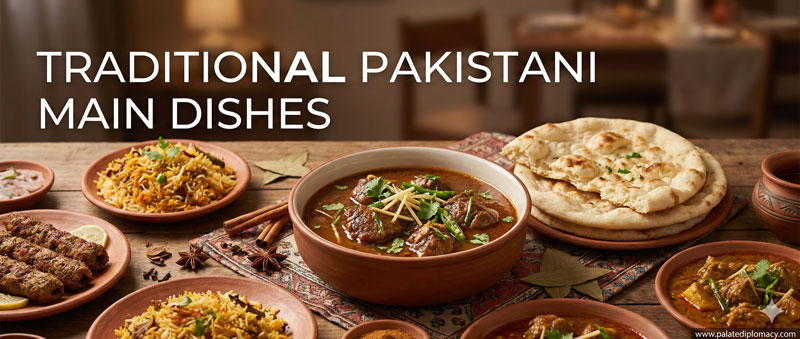
Chapli kebab stands as a vibrant Window into Pakistani Food Culture. In every bite you feel hospitality, craft, and a daily love of communal eating. The dish blends bold spices with fresh herbs, yielding a bright aroma and a satisfying crunch. It invites conversation, shared plates, and a slow enjoyment of quality ingredients. This is not just a meal; it is a ritual of savoring friendship and family through food.
What Makes Chapli Kebab Special
Chapli kebab draws its character from balance and texture. A flattened patty carries ground meat with onion, tomato, and a chorus of spices. Coriander seeds, cumin, and chili bring warmth, while chopped greens add brightness. Some versions include pomegranate seeds for a gentle tang. The exterior crisps while the interior stays juicy. The result is a versatile dish that shines on a street stall, in a home kitchen, or at a festive table.
Regional Craft and Shared Techniques
Regional notes enrich Chapli kebab. In the hills and plains of Khyber Pakhtunkhwa, cooks favor a robust spice blend and a lean meat texture that holds its shape on the grill. In city kitchens and markets, vendors perfect the patty size and the crispness of the crust, adapting the spice balance to local tastes. Across Pakistan, cooks share a philosophy: simplicity plus quality ingredients yields distinctive flavor. The technique—coarsely ground mix, quick flattening, and careful heat—creates a dish that feels both comforting and lively.
The Fire, The Aroma, The Social Space
The smell of Chapli kebab rising from a hot pan or a charcoal grill marks a moment of gathering. The scent draws people near, inviting a quick chat and a shared plate. Cooking over heat seals flavors and creates a crust that crackles when bitten. This ritual of frying or grilling is more than technique; it is social glue. Families, neighbors, and friends come together, turning a meal into a small celebration of everyday life.
A Palette of Flavors: Balance of Spice and Freshness
Chapli kebab showcases a harmony of spice and herb. Fresh cilantro and mint bring green brightness, while green chilies and chili powder add warmth. Ground coriander seeds and cumin provide earthy depth, and a hint of acidity can come from tomato and, in some recipes, pomegranate seeds. The result is a lively, layered taste that remains approachable and comforting. Each bite presents a microcosm of Pakistani cooking: bold, fresh, and thoughtfully balanced.
Pairings and Serving Traditions
Tradition guides the plate. Chapli kebab pairs beautifully with warm naan or flatbread, allowing the crust to soak up flavors. A cooling yogurt-based sauce or raita adds creaminess to balance heat, while sliced onions, cucumber, and sometimes a tangy chutney brighten the plate. Pickles and fresh herbs offer pops of acidity and aroma. Serving is often generous, inviting others to share and connect over food.
Chapli Kebab in Pakistani Food Culture
This dish embodies hospitality and everyday joy. It appears in street markets, home kitchens, and family gatherings, where it becomes a common thread that ties meals together. The method—careful grinding, thoughtful spice choice, and precise cooking—highlights skill passed through generations. Chapli kebab celebrates the life around food: the markets, the cooks, and the people who savor meals together. It stands as a flavorful ambassador of Pakistani culinary tradition, inviting everyone to appreciate the beauty of simple, honest ingredients treated with care.
Conclusion: An Invitation to Experience
Chapli kebab is more than a recipe. It is a living expression of Pakistani food culture, where bold taste meets shared moments. The dish teaches that flavor grows from fresh ingredients, thoughtful spice layering, and the joy of cooking for others. If you seek a dish that welcomes you into a tradition of warmth and craft, Chapli kebab offers a delicious and inviting doorway. Try it with a soft naan, a cool yogurt sauce, and the companionship of good company, and you will feel the essence of this cherished cuisine.