
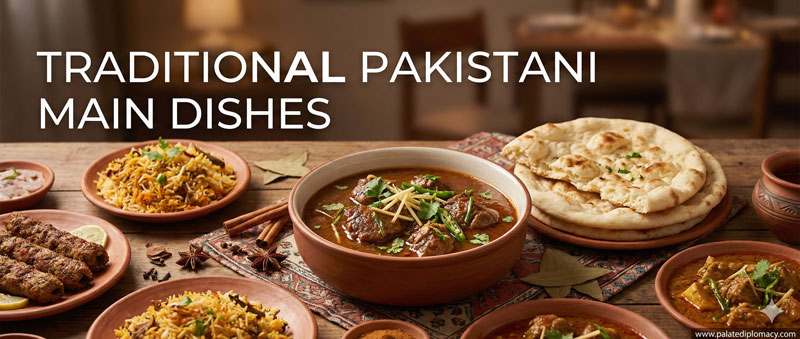
How Chapli Kebab Reflects Pakistani Food Culture
Chapli kebab is more than a dish. It is a lens into Pakistani Food Culture, inviting us to watch how flavor, technique, and hospitality come together. In homes and on bustling streets, chapli kebabs celebrate shared meals, seasonal ingredients, and regional flair. This post explores the cultural value and culinary significance of the dish, showing how a simple patty can embody a country’s love for good food, generous gatherings, and care in every bite.
The Core Idea: What Chapli Kebab Stands For
Chapli kebab embraces balance. It blends meat with herbs, spices, and a touch of crunch so every bite feels both hearty and bright. The flat, wide shape invites even cooking and a satisfying crackle at the edges. The act of shaping and frying these patties mirrors a household ritual—carefully combining ingredients, shaping a meal for family and friends, then sharing it at the table. In this way, chapli kebab reflects how Pakistani food culture values harmony: bold flavors tempered by fresh herbs, and a texture that invites conversation as much as it invites taste.
The Flavor Make-Up: Ingredients and Techniques
Culinary significance shines through the ingredients and method. A typical chapli kebab centers on ground meat—beef or lamb, sometimes chicken—seasoned with a lively blend:
- Whole and ground spices: coriander seeds, cumin, black pepper, chili for warmth and depth
- Fresh herbs: chopped cilantro and mint add brightness
- Aromatics: onion and garlic for sweetness and bite
- Tenderizing and binding: a light bind from egg or a touch of chickpea flour helps the patty hold its shape
- Hidden texture: pomegranate seeds (anardana) or sliced green chilies for pops of tang and heat
The technique matters as well. Meat is mixed with spices and herbs, then pressed into flat discs. They sizzle gently in oil until the exterior turns a rich bronze while the inside stays moist. The result is a kebab with a crisp crust, juicy center, and a fragrance that mingles cumin, coriander, and fresh herbs. This careful balance embodies how Pakistani cooks harmonize intensity with restraint, making every bite feel confident yet approachable.
Regional Voices: Diversity Across Pakistan
Regional variation is a visible thread in the fabric of this dish. In the plains and foothill regions, chapli kebabs often lean toward a lively herbaceous note, with generous coriander and mint. In other areas, cooks add subtle twists—different spice ratios, crisp onion strands, or a touch of tang from pomegranate arils—to reflect the local palate and seasonal produce. The same concept appears in different places: a flat patty with crackling edges, a bright herb finish, and a cumin-laced aroma. This regional adaptability highlights how Pakistani food culture thrives on shared methods and personal touch, allowing each home cook to tell a unique story within a familiar framework.
Social Ties: Sharing and Hospitality
Chapli kebab shines in social settings. It appears at breakfasts, lunches, and gatherings, often served with warm bread such as naan or chapati, along with chutneys, yogurt-based dips, and fresh salads. The serving ritual is inviting: platters are passed, conversations flow, and guests choose their preferred accompaniments. The dish acts as a bridge between generations and families, inviting elders to share a favorite family recipe, and inviting younger cooks to adapt it with new herbs or regional twists. This communal experience—sharing a hot, flavorful kebab with friends and relatives—speaks to a core value in Pakistani cuisine: preparing food with care and presenting it with generosity.
The Experience: Aroma, Texture, and Memory
The sensory experience of chapli kebab is a journey. The aroma mingles roasted cumin, coriander, and fresh greens. The sound of a crackling crust signals a well-cooked surface, while the tender interior offers nourishment and warmth. The colors—bronze edges, green flecks of cilantro, and the pale interior—echo the country’s landscapes, from fertile fields to spice-laden markets. These sensory cues help create durable memories: the scent of the kitchen, the sight of a shared plate, the feel of bread and chutney, and the conversation that accompanies every bite. In this way, chapli kebab becomes a living memory of everyday life in Pakistan, not merely a recipe but a moment of belonging.
Presentation and Pairings: A Thoughtful Display
Presentation matters in Pakistani dining culture. Chapli kebabs are often arranged in a way that invites guests to reach for a piece and then pause to savor the aroma. Simple accompaniments—fresh onions, lemon wedges, cucumber salad, and a mint chutney—complement the kebabs without overpowering them. The pairing choices reflect a careful balance: sour, herbal, and creamy elements that brighten the dish without suppressing the kebab’s character. This thoughtful plating underscores a broader cultural principle: food is a shared experience, and beauty in presentation enhances the pleasure of eating.
A Living Tradition: Why Chapli Kebab Endures
Chapli kebab endures because it embodies practical skill and culinary artistry in everyday life. It relies on accessible ingredients, clear technique, and a peaceful, joyful eating experience. The dish invites home cooks to refine their touch—adjusting spice levels to suit family tastes, experimenting with herbs, and discovering how a crisp exterior and juicy interior can reflect careful preparation. In markets and kitchens alike, the kebab signals hospitality, generosity, and the pleasure of cooking for others. By celebrating its flavor, texture, and social role, we see how chapli kebab mirrors the rhythm of Pakistani food culture: welcoming, flavorful, and deeply human.
Conclusion: A Rich Thread in Pakistani Food Culture
How chapli kebab reflects Pakistani food culture is a story told through taste, technique, and togetherness. It reveals a community that honors bold spices while cherishing fresh herbs, a tradition of grilling that creates inviting aromas, and a social habit of sharing meals with care. The dish stands as a testament to the beauty of everyday cooking—where a simple patty can bring warmth to a table, spark conversation, and celebrate the delicious variety of Pakistan’s culinary landscape. If you wish to explore this food further, start with a plate of chapli kebab, a loaf of naan, and a bright chutney, and listen for the way flavors tell the story of a people who love food as a everyday celebration.