
Introduction
Chapli kebab is more than a dish. It is a bright thread in the tapestry of Pakistani Food Culture. This flat, spiced patty of minced meat brings neighbors and families together, sparkles on markets, and carries a sense of hospitality that feels timeless. In this post we explore the cultural value and culinary significance of chapli kebab, and why it holds a warm place in so many hearts.
What makes Chapli Kebab unique
The first thing you notice is its shape. Chapli kebab is flat and broad, crisp on the outside and tender inside. The texture comes from coarsely ground meat and a lively mix of herbs. A classic blend blends coriander seeds, cumin, red chili, and salt with fresh green chilies, onions, and garlic. Pomegranate seeds or crushed dried fruit add a light tang and a glittering pop of color. Fresh coriander leaves and mint lend brightness, while sometimes eggs or chickpea flour help bind the mixture. The result is a patty that crackles gently in hot oil and releases a rich, herbal aroma that signals company and care.
The ingredients and technique
Culinary craft Shines in chapli kebab. Meat is seasoned, lightly minced, and mixed with herbs rather than pureed to keep texture. The spices are warm and balanced, never overwhelmed by heat. The patties are shaped by hand into discs, then shallow fried in oil or ghee until the edges turn bronzy and the centers stay juicy. The cooking method rewards patience: a steady sizzle, a crust that holds its form, and a fragrance that invites closer sharing. Small touches—how finely the onion is chopped, the freshness of mint, or a handful of chopped coriander—shape the final character of each kebab.
Cultural significance and daily life
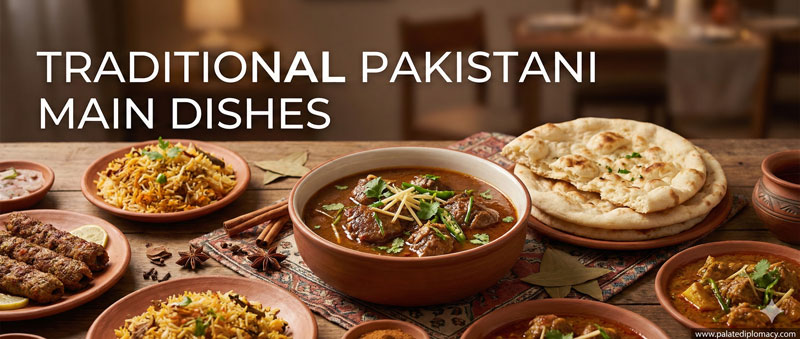
Chapli kebab shines in everyday life as a dish of welcome. Families prepare it for gatherings, weekend feasts, and celebrations, turning meals into moments of connection. Street stalls and grills bring the aroma to sidewalks and parks, inviting passersby to pause and enjoy. Serving chapli kebab is often paired with soft naan, cooling yogurt sauces, and crisp salads, creating A Complete sensory experience. The dish embodies generosity—the idea that a hot, flavorful plate can bring people together, spark conversation, and brighten a simple meal.
Regional flavors and serving traditions
Across Pakistan, chapli kebab carries regional voices. In some areas, the spice blend leans toward a bright coriander note; in others, cumin and chili lead the way. The inclusion of pomegranate seeds is a favorite touch in many versions, adding a fruity spark. The kebabs are commonly enjoyed with yogurt-based sauces or tangy chutneys, along with flatbread such as naan or rotis. The presentation is often generous: several patties served steaming on a platter, ready to be shared among family and friends. This variety reflects a living cuisine, where tradition and personal style mingle without losing the core feel of a dish that celebrates bold flavor and community.
How to enjoy Chapli Kebab at home
To bring chapli kebab into your kitchen, start with good-quality minced meat—beef or lamb both work well. Use a careful balance of spices and fresh herbs, and do not overwork the mixture to keep the patty light. Shape discs and fry them gently, watching for a crisp crust and a moist interior. Serve with cooling yogurt sauce or chutney, a crisp onion salad, and warm naan or roti. The experience is as much about the shared moment as the taste itself. Sit with loved ones, savor the fragrance, and let the conversation flow as freely as the spices.
Conclusion
Chapli kebab stands out because it blends bold flavor with a gentle sense of hospitality. Its flat, textured form reveals skill and care in every step—from spice balance to finishing fry. More than a meal, it is a cultural expression of warmth, community, and tradition that continues to thrive in kitchens, markets, and gatherings across Pakistan. Enjoying chapli kebab is to take part in a living tradition that honors flavor, craft, and the joy of sharing good food.