
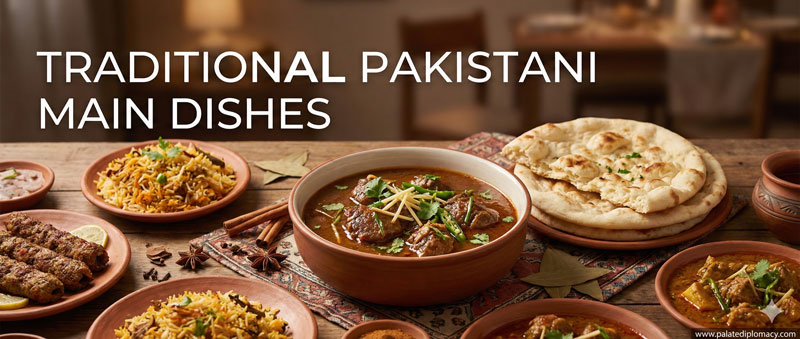
What Makes Chapli Kebab So Special in Pakistan
Chapli kebab graces streets, homes, and festive tables across Pakistan. It brings a bright, bold voice to the country’s culinary story. The dish sings with spice, freshness, and a crisp crust that hides a juicy heart. It invites sharing, conversation, and a sense of welcome at every bite. In short, chapli kebab is a vivid expression of flavor, technique, and togetherness that defines Pakistani Food Culture.
A Dish of Character: What is Chapli Kebab?
Chapli kebab is a flat, round patty made from minced meat. It can be beef, lamb, or a mix, chosen for tenderness and depth. The preparation blends spices, herbs, and a light binder to hold the patty together. Common flavors include coriander seeds, cumin seeds, green chilies, onions, and tomatoes. Fresh cilantro and mint brighten the mix, while pomegranate seeds or dried pomegranate powder add a tangy spark. Some cooks use a touch of chickpea flour to help the shape stay crisp. The result is a patty that grills to a crackling edge while remaining soft in the center. This balance—crisp exterior, juicy interior—defines the dish.
Next, the name chapli hints at its shape and presence. The patties are pressed thin, wider than a typical kebab, which helps them catch the heat and form that signature crust. This shape also makes chapli kebabs wonderfully suited to quick cooking on a hot pan or griddle.
The Flavor Pattern: Spice and Freshness
Chapli kebab blends heat, aroma, and brightness in every bite. The spice mix plays the leading role. Coriander seeds lend citrusy warmth, while cumin seeds give earthiness and depth. Green chilies bring a clean, bright heat that stays balanced with herbs. Fresh coriander leaves and mint release a clean, herbal note as you bite through the crust. Dried elements, like crushed black pepper or garam masala, add a gentle complexity that ties the flavors together.
To keep the texture lively, cooks add small pops of texture: pomegranate seeds or seeds from dry pomegranate powder (anardana) provide tang and surprise. Tomatoes and onions contribute moisture and sweetness that help keep the patty juicy. The binder—often chickpea flour or a light touch of breadcrumbs—helps the patty hold together without weighing it down. The overall effect is a savory, aromatic bite that changes with every mastful as the spices mingle with the herbs.
A Culinary Technique Worth Noting
The technique behind chapli kebab emphasizes heat, texture, and timing. The patties are shaped and pressed thin, then laid onto a hot surface with a little oil. The goal is a quick sear that seals in juices and forms a crisp crust. With careful heat control, the exterior becomes golden and crackly while the interior stays tender and moist.
Freshly ground spices release their aroma right away. When the mixture rests briefly, the flavors settle and emulsify, making each bite more balanced. The technique is simple in steps, yet it rewards cooks who pay attention to heat and patty thickness. The result is a kebab that looks inviting and tastes even more so.
Regional Echoes: Variations Across Pakistan
Across Pakistan, chapli kebab takes on local accents while preserving its core appeal. In the northwest, cooks may emphasize a stronger herb and spice profile, with extra coriander and mint to brighten the bite. In other regions, cooks balance heat with a touch more tang from pomegranate elements, creating a lively contrast that pairs well with cooling condiments.
Sesame seeds are sometimes sprinkled on top or mixed into the crust, adding a gentle nutty note and an extra crackle. The binder choice can vary too; some kitchens favor chickpea flour for a drier bite that stays crisp, while others use breadcrumbs to produce a softer edge. These regional touches show how a single dish can echo different gardens, markets, and family recipes while staying recognizably chapli kebab.
Serving Traditions: How Chapli Kebab Fits in Meals
Chapli kebab shines when shared. It typically arrives at the table with warm flatbreads like naan or chapati, ready to wrap around the patty. Raita or a yogurt-based sauce adds a cool counterpoint that brightens the spices. Fresh onions and sliced tomatoes provide crisp sweetness and bite, while pickles or a bright chutney bring additional tang and color.
In homes, a plate of chapli kebabs becomes a centerpiece for gatherings. In markets and street stalls, the scent of frying kebabs draws neighbors and friends to the counter. The dish thrives on social dining—people pass the plate, exchange stories, and savor the moment together.
The Social Life of Chapli Kebab
Chapli kebab is more than food; it is a social signal of hospitality and care. Making and sharing chapli kebabs invites conversation, laughter, and connection. Families pass down family-friendly techniques, from grinding spices to shaping the patties. Communities gather around grills on evenings and weekends, turning cooking into a small celebration. In this way, the dish acts as a bridge between generations, flavors, and shared memories.
Tips for Home Chefs: How to Make a Pleasing Chapli Kebab
- Choose your meat thoughtfully. Ground beef, lamb, or a blend works well. Fresh fat adds juiciness, so aim for a well-balanced mix.
- Grind spices fresh when possible. Crushing coriander and cumin seeds just before mixing maximizes aroma.
- Add herbs, tang, and crunch. Fold in chopped cilantro, mint, a few green chilies, and a handful of pomegranate seeds or a pinch of anardana powder.
- Bind gently. Use a light touch with chickpea flour or breadcrumbs to help the patty hold its shape without becoming heavy.
- Shape thin and uniform. Press the patties to a consistent thickness for even cooking.
- Cook with care. Use a hot skillet with a thin layer of oil. Sear until the crust is crisp and the center is cooked through.
- Rest briefly before serving. Let the patty settle for a minute so juices redistribute for a juicier bite.
- Serve simply and proudly. Pair with warm naan, a cooling yogurt sauce, and fresh onions for balance.
Conclusion: A Symbol of Pakistani Food Culture
Chapli kebab showcases the heart of Pakistani cooking: bold flavors, careful technique, and warm hospitality. It blends vibrant spice notes with bright herbs and a satisfying crunch. The dish travels from street stalls to family kitchens, always inviting people to share in its aroma and taste. In every bite, chapli kebab tells a story of community, craft, and care. It remains a beloved emblem of Pakistan’s rich food culture, where flavor and togetherness come together in a truly special way.