
Introduction
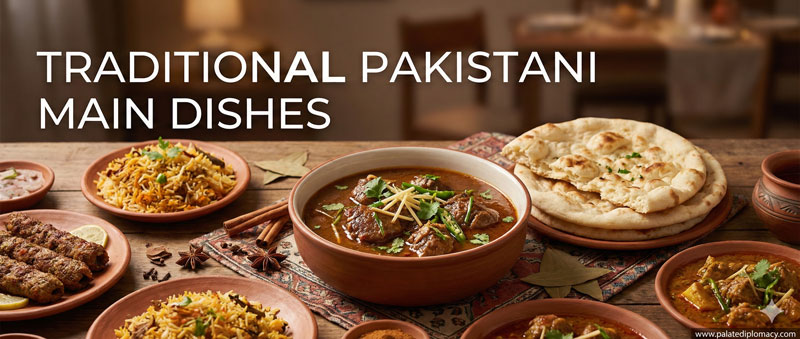
Chapli Kebab stands out in Pakistan for its bold flavors and welcoming presence. It arrives at the table with a scent that invites conversation and shared bites. The dish is deeply tied to local kitchens, street stalls, and festive meals. Its name, chapli, hints at its shape and the simple science of cooking: a flat, wide patty that cooks quickly and evenly. In every bite, you feel a sense of hospitality, craft, and regional pride.
The Flavor at the Heart of Chapli Kebab
What Makes chapli kebab special begins with the ingredients. Ground meat, usually beef or lamb, forms the base. It is seasoned with a lively mix of spices and herbs. Crushed coriander seeds and cumin wake the palate, while chili adds warmth. Fresh mint and cilantro bring brightness. Dried mint and crushed red pepper give a subtle bite. A handful of onions, sometimes tomatoes, and green chilies fold in aroma and texture. Pomegranate seeds or dry sumac can add a gentle tang. An egg or a light binder helps the patties hold together, while a little flour or breadcrumbs keeps them tender. The result is a balance of savory, citrusy, and herbal notes that feels bright and comforting at once.
Crafting the Patties: Technique and Texture
Chapli kebab earns its name through technique. The meat is mixed with spices and herbs, then formed into flat, round patties. The aim is a thin, even layer that cooks quickly. Chefs press the mixture lightly to keep a crisp crust without breaking the interior. The patties cook on a hot surface, often a skillet or grill, until the edges caramelize and the center remains juicy. The flavor develops as fat renders and spices bloom during cooking. The aroma—smoky, herbal, and slightly tangy—signals a well-made chapli kebab. The texture blends a crisp outer crust with a tender, flavorful interior.
Serving Traditions and Social Joy
Chapli kebab is much more than a dish; it is a social act. It appears at family meals, street-side spots, and festive gatherings. It pairs beautifully with warm flatbread such as naan or paratha, plus a cooling yogurt sauce or raita. Slices of onion, fresh salad, and a squeeze of lemon lift the flavors and balance the spices. Sharing chapli kebab is a gesture of hospitality, inviting guests to linger, talk, and enjoy. The dish often opens a meal with warmth or closes a gathering with satisfaction, leaving a sense of belonging and comfort.
Regional Variations Across Pakistan
Across Pakistan, chapli kebab adapts to local tastes while preserving its core identity. In the northwest, Peshawar and nearby areas emphasize a bright, herb-forward profile, with coriander and mint taking front stage and a touch of pomegranate for tang. In larger cities, cooks may tune the heat and adjust the binder to suit different palates, sometimes adding garlic or shallots for depth. In some regions, the patties are a bit thicker for a heartier bite, while in others they stay thin and crisp. Despite these variations, the dish keeps its signature flat form and its ability to bring people together around a shared plate.
Pairings and Presentation
Presentation matters for chapli kebab. Serve it with warm bread, a cool yogurt sauce, and a simple salad. A wedge of lemon or lime brightens the spices just before eating. Fresh herbs on top—cilantro or mint—add color and fragrance. In many settings, chapli kebabs are arranged on a platter with several patties, inviting guests to pick their favorite bite. The combination of smoky aroma, bright herbs, and tangy notes creates a harmonized experience that feels both casual and celebratory.
The Cultural Value and Culinary Significance
Chapli kebab holds a special place in Pakistan’s food culture. It represents skilled home cooking and the craft of street cuisine alike. It is a dish that travels well, yet it remains rooted in the kitchens and markets where families first tasted it. Its spice blend showcases regional herbs and techniques, while its flattening method reflects a practical artistry that cooks bring to the grill or skillet. The dish is a testament to hospitality: generous portions, generous flavor, and generous conversation around the same table. In this way, chapli kebab is not merely food; it is a cultural gesture that celebrates warmth, shared meals, and the joyful rhythm of daily life.
Conclusion: A Dish That Brightens the Table
What makes chapli kebab so special in Pakistan is its ability to blend bold spice, fresh herbs, and a touch of tang into a simple, satisfying format. The flat patty cooks quickly, releasing an inviting aroma that gathers people together. Its regional variations honor local gardens, markets, and grills, while the core idea—carefully seasoned meat pressed thin and cooked to crisp perfection—remains constant. In every bite, chapli kebab offers a moment of connection: between cooks and guests, between tradition and daily life, and between families sharing a beloved plate.