
Why Chicken Karahi Is One of Pakistan’s Most Loved Dishes
Chicken Karahi shines at the heart of Pakistani kitchens. The dish blends bold flavor with warmth and hospitality. Its aroma welcomes people to the table, and its bright, glossy sauce invites another bite.
What Makes Karahi Special
Karahi gets its name from the round, deep cooking pan called a karahi. The pan helps Create a fast, high-heat sear that locks in juice. Tomatoes give the sauce a rich sheen, while garlic, ginger, and green chilies lift the fragrance. Spices like cumin, coriander, and garam masala give warmth without overpowering the freshness of the chicken. The result is a vibrant course that is comforting and lively at once.
The Technique Behind the Flavor
Start with a hot pan and a touch of oil. Add chicken pieces and sear them to seal the juices. Next come aromatics—garlic and ginger—followed by chopped tomatoes. The sauce thickens as the dish simmers, coating every piece of chicken. A final sprinkle of green chilies and fresh cilantro brightens the dish. Each step builds depth, yet the method remains approachable for home cooks. The technique celebrates quick cooking and careful balance, so the sauce stays glossy and bright.
A Palette of Color and Aroma
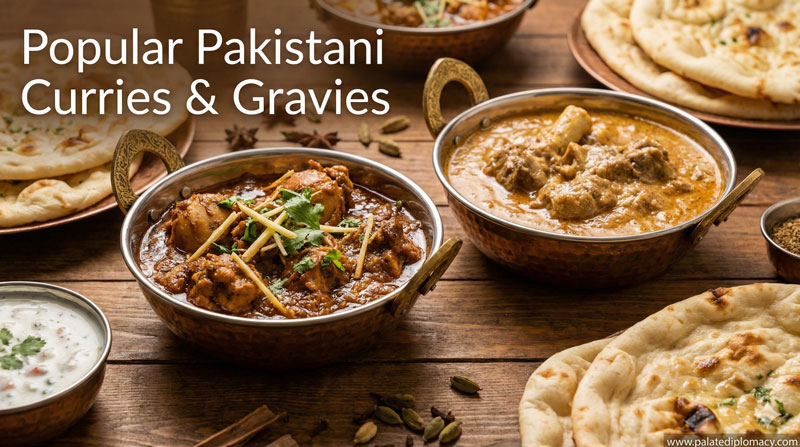
The dish delights the eyes with a warm red-orange hue. Fresh cilantro leaves add a pop of green atop the glossy sauce. The scent blends tomato tang, garlic warmth, and the spice notes, creating an inviting bouquet. Diners often catch a hint of fried bread, which makes the experience feel complete. The sensory mix—sight, smell, and mouthfeel—speaks to a culture that values hospitality and sharing.
Cultural Significance in Everyday Life
Chicken Karahi is more than a meal; it is a social moment. Families gather around the stove or the dining table, chatting as the dish finishes. The act of breaking bread—naan, roti, or fluffy rice—feels ceremonial, yet comfortable. The dish often appears during everyday dinners and special gatherings alike, because it can feed many with generosity. In many homes, the way a karahi is prepared and served reflects care, skill, and a respect for guests. It embodies a philosophy of nourishment, warmth, and togetherness.
Regional Flavors and Variations
Across cities, cooks put their own stamp on Karahi. Some prefer a touch more tang from extra tomatoes, others lean into a spicier heat with green chilies. Fresh herbs, milder or bolder spice blends, and the choice between beefing up the sauce or keeping it lean—all variations honor the dish while showcasing local pride. Regardless of version, the core idea remains: a fast, flavorful, shareable dish that brings people close.
Pairings and Serving Traditions
A karahi shines beside bread or rice. Naan or roti helps scoop up the sauce, while steaming basmati rice absorbs the flavors. A side of cool yogurt or raita can balance the heat. A crisp salad adds contrast and freshness. Serving is often simple and generous, inviting everyone to take a second helping.
Final Thoughts
Chicken Karahi celebrates craft, warmth, and community. Its bright sauce, balanced spices, and quick-fire technique highlight a culinary culture that values hospitality and shared meals. Whether enjoyed at a busy family table or a cozy eatery, the dish stands as a beloved expression of flavor, tradition, and togetherness.