
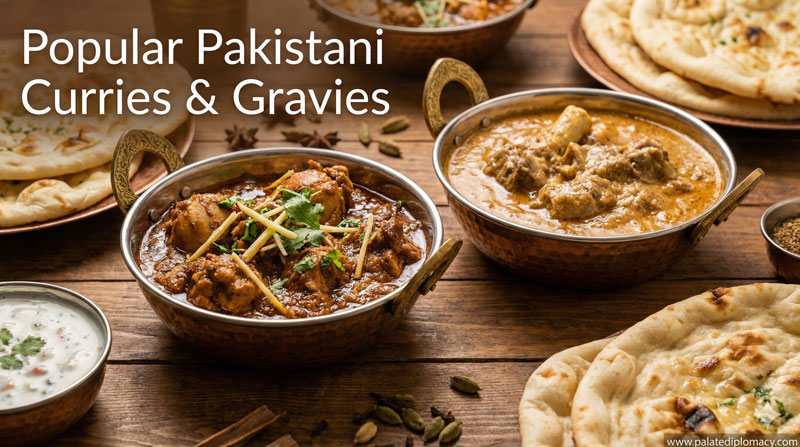
Why Chicken Karahi Is One of Pakistan’s Most Loved Dishes
Chicken Karahi is more than a meal. It is a celebration of bright flavors, quick technique, and the everyday magic of sharing food. In kitchens and street stalls across Pakistan, this dish shines as a symbol of hospitality, warmth, and the simple joy of a good meal with friends and family. The name itself points to the pan where the dish comes alive—a karahi, a round, deep metal wok that conducts heat boldly and evenly. The drama begins as soon as the ingredients hit the hot surface, and the aroma invites everyone to the table.
The Karahi Pan and the Sizzle
First, the pan does its quiet work. A hot karahi prefers brisk movements and high heat. Because the surface is wide, flavors spread quickly, and the dish cooks in moments rather than hours. Next, cooks add chicken, which sizzles and seals its juices as it changes color. Then comes a lively chorus of aromatics—garlic, ginger, and a splash of green chilies—that wake the senses. Tomato comes in, bright and slightly tangy, and the mixture begins to thicken into a glossy sauce. Finally, spices join the party: cumin, coriander, a hint of turmeric, and a gentle kiss of garam masala. The result is a sauce that clings to the chicken and glows with color. In this brief choreography, a traditional method shows its strength: simple ingredients, decisive technique, and a finish that sings.
The Flavor Symphony
The flavor map of Chicken Karahi blends warmth with brightness. Tomatoes provide tang and depth, while garlic and ginger offer sharp, comforting notes. Green chilies add a spark that wakes the palate without overwhelming it. The spices are aromatic rather than overpowering, allowing the chicken to stay at the center of the plate. A final touch of fresh cilantro brightens the dish and signals that the cooking is alive and present. Every bite offers a balance of textures: tender chicken, a slightly soupy yet cohesive sauce, and bits of tomato that burst with fresh acidity. This harmony is what makes Chicken Karahi feel both familiar and exciting, a dish that rewards attention and savor.
A Social Favorite: From Home Kitchens to Street Corridors
Chicken Karahi thrives on sociable moments. It appears in family kitchens where cooks adjust spice levels to suit younger palates and elder preferences alike. It also Shines in bustling eateries and along market lanes, where vendors plate the dish with pride and speed. The preparation becomes a shared ritual as people gather around the table, passing bread and bowls, sipping tea, and exchanging stories. The aroma travels beyond the room, inviting neighbors and friends to join. In this way, Chicken Karahi acts as a bridge between generations, tastes, and everyday life, reinforcing a sense of community through food.
Regional Voices and Personal Twists
Across Pakistan, cooks bring subtle regional variations to Chicken Karahi. Some prefer a touch more tomato for a fruitier, smoother sauce; others add a squeeze of lemon or a drizzle of fresh herbs to finish. The balance between heat and sweetness adapts to local preferences and seasonal ingredients. In some cities, you may notice a slightly smoky note, a result of cooking near a charcoal flame or finishing the dish with a brief, gentle charring of the tomatoes. Despite these differences, the core essence remains: a dish that is quick to cook, easy to share, and deeply satisfying. This adaptability reflects a culture that honors tradition while welcoming personal touch and seasonal freshness.
The Table Experience: Pairings and Serving Style
What you eat Chicken Karahi with matters almost as much as how you cook it. The dish pairs beautifully with flatbreads like naan or chapati, which scoop up the sauce and hold the tender pieces in place. A simple bowl of steamed rice can also balance the brightness of the tomatoes and the warmth of the spices. Onions, thinly sliced and lightly pickled, add crunch and contrast, while yogurt or a cool raita contributes a soothing counterpoint to the heat. Fresh cilantro leaves, lemon wedges, and a final sprinkle of garam masala offer freshness and aroma at the finish. Served in a shared plate or on individual platters, Chicken Karahi becomes a social ritual that honors the act of eating together.
Regional Craft and Personal Touches
Every cook brings a voice to Chicken Karahi. Home cooks adjust salt, heat, and acidity to suit their household palate. In markets and kitchens, you may discover a preference for finer or coarser spice blends, a preference for more oil to Create a glossy sauce, or a preference for a longer simmer to deepen flavors. The result is not a single recipe but a family of related preparations, each echoing care, memory, and a sense of place. This is why Chicken Karahi feels both familiar and endlessly renewable: it invites cooks to express themselves while staying rooted in a shared culinary tradition.
Simple Ways to Savor It at Home
- Start with fresh ingredients and moderate heat to protect the chicken’s tenderness.
- Use a good tomato base that has natural sweetness and acidity; this balance carries the sauce.
- Add aromatics in steps to layers of fragrance that arrive at once but unfold over time.
- Finish with bright herbs and a light sprinkle of garam masala to lift the aroma just before serving.
- Pair with warm bread and a cooling side to enhance the entire experience.
A Dish That Elevates Everyday Moments
Chicken Karahi is a testament to how a single pan, a handful of ingredients, and careful technique can create something memorable. It captures a spirit of hospitality, where the act of cooking is an act of welcoming others. It celebrates bold flavors done with restraint, where heat and brightness work together to illuminate a dish rather than overwhelm it. It invites people to gather, share conversations, and savor the beauty of a well-made meal. In that sense, Chicken Karahi stands tall as One of Pakistan’s most loved dishes because it embodies the joy of cooking as a social joy, a culinary craft, and a comforting, delicious experience that lingers in memory long after the last bite.