
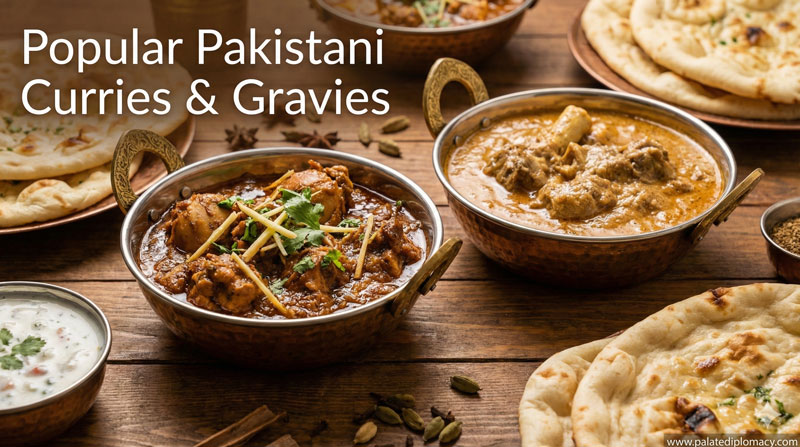
The Heart of Pakistani Dining: Chicken Karahi
Chicken Karahi is more than a dish. It is a bright, inviting symbol of shared meals and warm hospitality in Pakistan. The name comes from the traditional cooking pot it rests in—a deep, round karahi that keeps heat even and joy close at hand. The dish blends fresh ingredients, precise technique, and quick-fire temper that preserves color, aroma, and texture. In every bite, you sense a culture that values generosity, craft, and the simple pleasure of good food enjoyed together.
A Call to the Table: Why It Feels Special
This dish signals a gathering. Families prepare it for celebrations, weekend feasts, and casual get-togethers alike. Guests arrive, and the kitchen fills with a lively sizzle. Aromas rise, and smiles follow. The act of serving Chicken Karahi invites conversation, shared scoops of bread, and a moment to slow down and savor. The warmth of the pot mirrors the warmth of the people around it. For many households, this dish is a ritual of connection as much as flavor.
The Sizzle and the Scene: What You See and Taste
The cooking moment defines the experience. High heat creates a glossy sauce that clings to tender chicken pieces. Tomatoes soften to a bright, tangy base, while fresh green chilies and fragrant spices wake the palate. The dish is vivid—crimson, green, and gold from herbs. You hear the quick stir, feel the steam, and smell the blend of garlic, ginger, cumin, coriander, and paprika. The result is a dish that is lively on the plate and lively in the memory.
The Sauce: Tomatoes, Spices, and Fresh Herbs
At the heart of Chicken Karahi is a bright, tomato-forward sauce. Tomatoes bring natural sweetness and acidity that balance heat. Garlic and ginger provide warmth without overpowering the dish. Spices add depth: cumin for earthiness, coriander for lift, and chili for a gentle fire. Fresh cilantro brightens the finish, and a squeeze of lemon or a dash of garam masala can refine the aroma. The sauce moves quickly from raw to rich, which keeps the flavors clean and direct. This approach makes the dish adaptable to different tastes while preserving its signature character.
The Cooking Vessel and Technique
A karahi is a wide, shallow pan that concentrates heat at the sides and keeps the surface bubbling. Cooks use this tool to sear chicken pieces, then let them mingle with the tomato-based sauce. The technique requires control: add ingredients in the right order, maintain brisk simmer, and stir just enough to protect texture. Because the cooking happens fast, the chicken stays tender, and the sauce remains vibrant rather than dull. The result is a dish that feels both skilful and approachable, a testament to culinary craft done with confidence.
Regional Voices: How This Dish Travels Across Places
Across Pakistan, cooks customize Chicken Karahi with small differences. In some kitchens, you’ll find a touch more coriander or cumin. In others, green chilies stand out more, lending extra brightness. Some cooks finish with a handful of fresh coriander leaves, while others prefer a light scatter of fenugreek or black pepper. These variations reflect local markets, seasonal produce, and family traditions. Yet the core of the dish remains constant: chicken with a lively, tomato-forward sauce, ready to be scooped up with bread. This shared framework invites personal expression, making the dish both communal and intimate.
Pairings and Presentations: Completing the Experience
Chicken Karahi shines when served hot with bread—naan, roti, or paratha. The bread acts as a perfect vehicle to lift and savor the sauce. On the plate, you might add slices of onion and wedges of lemon to invite fresh counterpoints. Fresh herbs or a final drizzle of oil can add a final note of aroma. Presentation emphasizes warmth and generosity: a steaming pot at the center, a bright garnish, and an inviting scent that draws everyone closer.
A Timeless Favorite: Why It Endures in Food Culture
Chicken Karahi endures because it encapsulates a balanced blend of speed, texture, and taste. The dish rewards skill with simplicity. It respects the ingredients and the cook’s hand, while inviting everyone to participate in the meal. Its appeal spans generations: young cooks learn the tempo of the stir, while seasoned chefs refine the balance of acidity and spice. Most importantly, it serves as a social bridge—bringing neighbors, friends, and family to the table to share a moment of comfort and delight.
Closing Thoughts: Celebrating a Cultural Treasure
In Pakistan, Chicken Karahi stands as a refined expression of everyday joy. It teaches hospitality through preparation, generosity through serving, and unity through eating. The dish invites curiosity and rewards attention: you notice the sizzling, the color shift, and the harmony of flavors. By honoring its culinary technique and cultural value, we celebrate not just a recipe but a living tradition. If you wish to experience it, seek a pot that carries a story, choose fresh ingredients, and let the kitchen’s heat guide you toward a memorable meal. Chicken Karahi welcomes you with warmth, flavor, and the promise of togetherness.