
Introduction
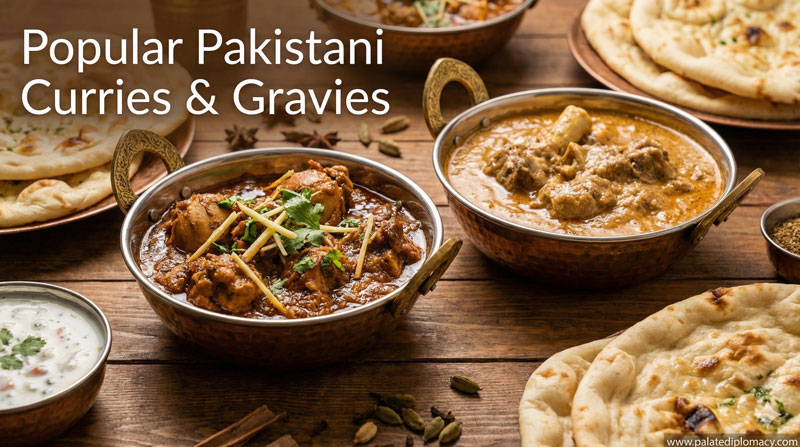
Chicken karahi stands out as one of Pakistan’s most loved dishes for good reason. It arrives at the table with bright color, brisk aroma, and a sense of welcome that invites conversation and laughter. This dish embodies a shared love of fresh ingredients, bold spices, and high-heat cooking that preserves tenderness and brightness. It is more than a meal; it is a cultural handshake that says: you are welcome here, we will cook with care, and the flavors tell a story of home, pride, and everyday celebration.
The karahi: a pan with personality
The karahi, a wide, deep cooking vessel with sloped sides, is the heart of the dish. It heats quickly and evenly, allowing the sauce to bubble with energy while the chicken remains juicy. In a well-used kitchen, the sizzle tells a story of attention: quick stir, steady flame, and a practiced hand. The pan shape concentrates heat and flavors, creating a glossy coating that clings to each piece of chicken. Because the dish cooks rapidly, cooks tailor the balance of tang, heat, and aroma in real time, showcasing skill, confidence, and a respect for the ingredients.
A concise blend of ingredients, a canvas for culture
Chicken karahi relies on a focused set of ingredients that travelers and locals alike will recognize. Chicken pieces absorb spice and tomato brightness without losing their own character. Fresh ginger and garlic provide warmth, while green chilies offer a brief, sunny kick. Ripe tomatoes contribute sweetness and a gentle acidity that brightens the sauce. Common spices—cumin, coriander, garam masala, and chili—lend depth without overpowering the natural flavors. Fresh cilantro or mint finishes the dish, adding a final green note that signals cleanliness and life. The beauty of karahi lies in balance: spice that wakes the senses, tomatoes that soften the heat, and a sauce that glazes the chicken rather than hiding it.
Quick beauty: meaning in the method
Karahi cooking emphasizes speed and precision. The dish comes together in minutes, which preserves the freshness of the aromatics and the juiciness of the chicken. This quick method celebrates technique as well as generosity: the cook offers a moment of intense heat, then invites time for a quick finish and a final stir. The result is a dish that feels both rustic and refined, approachable for home kitchens and inspiring for cooks who want to highlight technique without complicated steps.
A dish of gathering and warmth
In many households, chicken karahi is a reason to come together. Friends and family gather around the stove or the dining table, sharing stories as the sauce simmers. The dish travels well across a table: it invites scoops of sauce onto fluffy breads or a bed of rice, and its aroma lingers just enough to carry a sense of welcome from room to room. This shared experience—the aroma, the sight of glossy chicken, the clink of cutlery and naan—reflects a cultural appreciation for hospitality and togetherness. The dish becomes a ritual of care, a moment where food becomes memory.
Regional echoes: flavor notes across cities
Different neighborhoods and cities across the country bring small but meaningful twists to chicken karahi. In some places, cooks emphasize a brighter tang with extra tomatoes or a touch more green chili. In others, a pinch more garam masala adds a warmer, slightly sweeter note that lingers on the palate. Some kitchens finish with fresh herbs just before serving, while others fold in a spoon of cream or yogurt for a richer texture. These variations reflect local tastes, harvests, and family traditions, all while preserving the core identity of karahi: a fast, vibrant, and comforting chicken dish.
Craft and finesse: mastering tenderness and color
The key to a great chicken karahi lies in balance and timing. Chicken pieces should be tender and moist, not dry or rubbery. The cook watches the sauce thicken as the flavors bloom, then adds a final round of seasoning to lift the whole dish. The gleam on the surface—almost lacquered in its gloss—signals careful heat control and a confident hand. This is a dish that rewards practice: the more often it is made, the better it becomes at coaxing out the right brightness, aroma, and depth from each ingredient.
Texture, aroma, and the senses
Aromatic steam rises as the dish nears completion, carrying notes of garlic, ginger, cumin, and coriander. The texture plays a critical role too: tender chunks of chicken covered with a glossy, lightly spiced sauce, contrasted with the slight bite of fresh tomatoes and the softness of bread or rice. The sensory experience—sight, scent, and taste—creates a welcoming moment that many find deeply comforting. The dish invites you to slow down just enough to savor the harmony between spice, acidity, and the natural flavors of the chicken.
Serving as ceremony: table and tableware
Serving chicken karahi is a small ceremony in itself. The sizzling pan is often set at the center of the table or carried to a shared spread, encouraging guests to take small portions and add elements to their plate. The dish pairs beautifully with naan, roti, or steamed basmati rice. A yogurt-based raita and a simple onion salad often accompany it, offering cool contrasts to the warmth of the karahi. The act of sharing—dipping, tearing bread, spooning sauce—builds a sense of community and shared enjoyment that is central to the dining culture around karahi.
Pairings that honor the dish
To honor the flavors of chicken karahi, many households choose drinks and sides that complement its brightness and heat. A cool, salted lassi or a simple yogurt drink can provide refreshing balance. Mild, fresh salads with cucumber and mint refresh the palate between bites. Light, aromatic beverages or traditional teas also suit the meal, offering a gentle contrast to the bold sauce. The overall pairing aims to maintain harmony: no single element overwhelms another, but every component enhances the dish’s core character.
A celebration of everyday pride
Chicken karahi embodies everyday pride in cooking. It is a testament to the joy of turning simple ingredients into a rich, satisfying dish. The recipe travels through families, carried by memory and shared techniques, yet it remains adaptable to new preferences and local produce. This adaptability is part of the dish’s enduring appeal. It respects tradition while inviting personal touches, making it a living part of the Food Culture.
Conclusion: an invitation to taste and learn
In sum, chicken karahi is more than a flavorful dish. It is a cultural touchstone that celebrates hospitality, skill, and the joyful rhythm of everyday cooking. Its bright sauce, tender chicken, and aromatic spices invite both cook and guest into a shared moment of warmth and delight. If you seek a dish that blends speed with soul, simplicity with depth, and tradition with personal touch, chicken karahi welcomes you to a flavorful, respectful exploration of Pakistan’s beloved culinary heritage.