
A Flavorful Welcome: Why Chicken Karahi Steals Hearts
Chicken Karahi is more than a dish; it’s a cultural greeting on a plate. In homes, markets, and busy eateries, this bright, aromatic curry invites people to gather, share, and celebrate good food. The dish’s popularity rests on its comforting familiarity and its ability to adapt to many tastes. It stands as a vivid expression of culinary craft, hospitality, and everyday joy.
The Craft Behind the Sizzle: Technique That Elevates
The magic begins with a hot karahi, a wide, deep pan that encourages quick cooking. Searing chicken pieces at high heat locks in flavor and creates a glossy surface. Onions, garlic, and ginger follow, releasing fragrance that sweetens as they soften. Tomatoes then surrender their acidity and body, building a rich sauce. The final touch—fresh cilantro and green chilies—lifts the entire dish with brightness. This method showcases balance: speed, heat, and careful layering produce a dish that tastes more than the sum of its parts.
Aromatics and Color: A Feast for the Senses
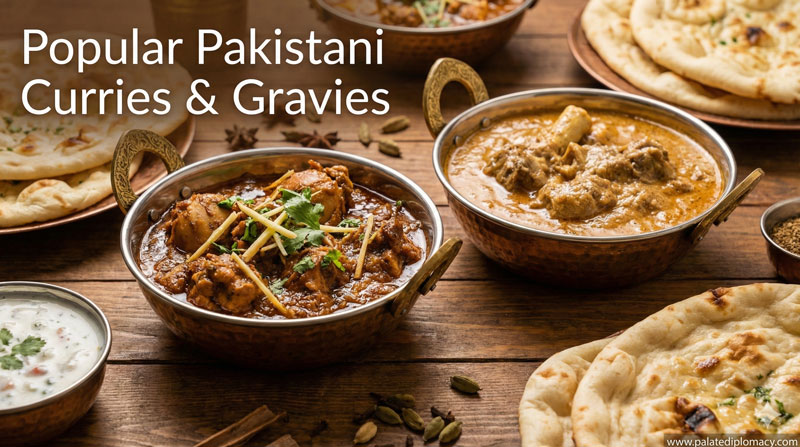
The aroma of chicken karahi is inviting and open. Spices mingle with tomato and onion to Create a warm, tangy base. The color tells a story of heat and season: the chicken turns a tempting bronze, the sauce glows ruby-orange, and the greens of cilantro add a fresh highlight. Every bite blends savory depth with a crisp edge from peppers and a gentle heat that lingers. This harmony makes the dish memorable, inviting diners to savor each mouthful and notice the careful timing that brings the flavors together.
The Social Heart: Hospitality in a Shared Pan
Chicken karahi often arrives at the table as a centerpiece meant for sharing. The practice of ladling from a single pan emphasizes generosity and togetherness. Guests lean in to watch the simmering sauce, to see the steam rise, and to smell the spices mingling in the air. It is common to hear conversations pause as taste buds anticipate the first spoonful. In that moment, the dish becomes a social ritual, reinforcing bonds and creating warm memories around the table.
Regional Voices: Variations That Reflect Local Tastes
While the core technique remains consistent, regional twists bring delightful variety. Some cooks emphasize a stronger garlic-and-ginger note, others lean toward a brighter tomato tang. Spices shift with preference: a touch more garam masala in some kitchens, or a pinch of Kashmiri chili powder for color without overwhelming heat. Fresh herbs, such as mint or additional cilantro, may be added at the end for a distinct lift. This flexibility showcases how a single dish can carry different local identities while honoring shared methods and flavors.
Pairings that Complete the Experience
Food offers companion flavors that enhance the karahi experience. Warm naan or roti invites gentle tearing and scooping, while fluffy basmati rice provides a neutral bed for the sauce. A cool yogurt raita or a crisp onion salad can balance the spice, adding contrast without overwhelming the palate. Simple accompaniments let the chicken and sauce shine, letting diners savor the balance of tang, warmth, and brightness.
Everyday Joy and Timeless Occasions
Chicken karahi fits both everyday meals and festive gatherings. It works beautifully for a weeknight family dinner or a celebratory get-together with friends. Its versatility allows cooks to tailor the heat and spice to their guests, ensuring everyone can enjoy the dish. The result is a reliable favorite that travels well in memory, promising comfort and delight with every serving.
A Gentle Conclusion: The Beauty of Culinary Culture
The enduring appeal of chicken karahi lies in its fusion of technique, aroma, and social warmth. It celebrates the skill of quick, high-heat cooking and the artistry of balancing flavors that sing together. It invites people to slow down long enough to savor a shared moment. In every kitchen where it’s prepared, the dish becomes a small festival of scent, texture, and taste. For many, eating chicken karahi feels like returning to a beloved kitchen, where hospitality, craftsmanship, and genuine affection greet you at the table.