
Introduction
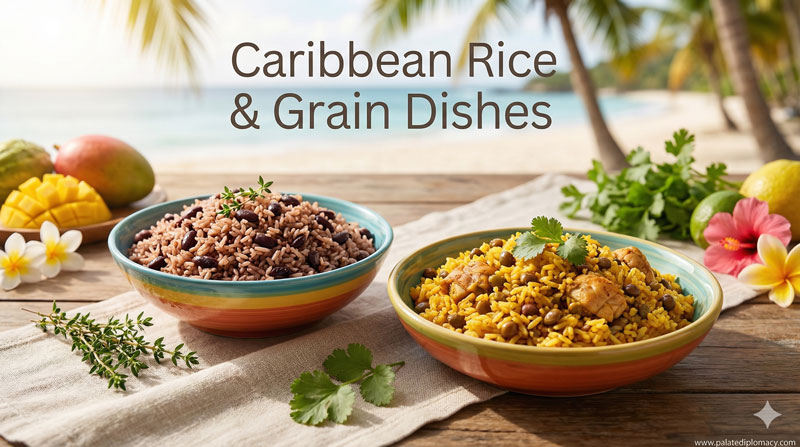
Coconut rice is a quiet, inviting star in Caribbean kitchens. It blends warmth, sweetness, and a gentle nutty aroma that lingers on the palate. Across the islands, cooks welcome friends and family with steaming bowls, a sign of hospitality and shared pleasure. This post explores how coconut rice grew to be a beloved staple, celebrated for its cultural value and culinary significance. It is a dish that invites conversation, memory, and everyday joy. In every pot, there is a story of fresh coconut, ripe rice, and a kitchen that hums with life. The result is food that feels both everyday and special, a comforting thread through countless meals.
Core Ingredients
The core trio is simple and elegant: coconut milk, rice, and salt. Coconut milk carries sweetness and creaminess, enriching each grain. Rice provides substance and structure, soaking up flavor as it cooks. Salt sharpens the natural notes and ties the dish together. From there, cooks add note-worthy touches: lime zest or juice, garlic, scallions, thyme, and even a pinch of allspice or nutmeg. These accents reflect local markets and seasonal produce. The beauty lies in balance: creamy richness without heaviness, and aroma that welcomes the senses before the first bite.
Cultural Significance
Coconut rice stands as a comforting symbol of home and sharing. Families prepare it with care, passing tips from one generation to the next. The scent rises through kitchens, courtyards, and small gatherings, drawing neighbors to the table. It accompanies a wide range of dishes, from seafood to hearty stews, always acting as a faithful partner that lets bold flavors shine. Beyond taste, the dish communicates warmth, generosity, and a sense of belonging. In social meals, a pot of coconut rice signals welcome and togetherness, making ordinary days moments of connection and joy.
Regional Variations
Across the Caribbean, regional flavors breathe distinct life into coconut rice. Some cooks use extra coconut milk for a richer, creamier texture; others fold in pigeon peas or kidney beans for heartiness. Fresh herbs or citrus zest brighten the bowl, while a light toast of the rice adds a nutty depth. Certain areas favor a touch of spice or spice blends, guiding the aroma toward warmth rather than heat. Yet no matter the variation, the dish maintains its core identity: coconut’s sweetness, the grain’s bite, and a shared sense of savor that unites island kitchens.
Cooking Techniques
The method honors simplicity and technique. Start by rinsing the rice to remove excess starch. Lightly toast it to wake the aroma. Then stir in coconut milk and water, adding salt to taste. Bring the mixture to a gentle simmer, cover, and let it cook until the grains are tender. A brief rest helps the steam settle, and a gentle fluff with a fork separates the grains for a light, airy texture. These steps preserve creaminess while ensuring each grain remains distinct, yielding a polished, inviting dish.
Serving and Occasions
Pair coconut rice with grilled fish, jerk-seasoned meats, or hearty stews. A squeeze of lime adds brightness, and a side of fried plantains or roasted vegetables completes the plate. The dish shines at Sunday meals, beach picnics, family gatherings, and informal celebrations alike. Its versatility makes It a natural ambassador for Caribbean flavors, inviting conversation about ingredients, techniques, and shared meals. In every serving, coconut rice brings a sense of place, warmth, and a lasting impression of the beauty found in simple, well-made food.