
What is Banga Soup?
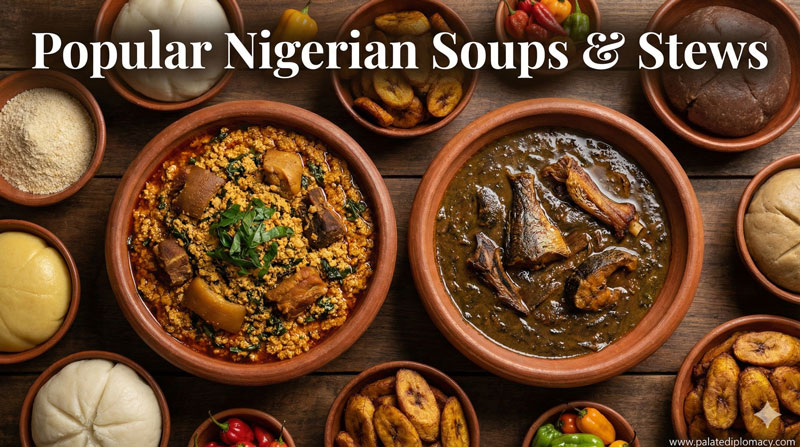
Banga soup is a beloved palm fruit soup from the coastal regions of Nigeria. The star of the dish is the oil-rich extract made from ripe palm fruit. This rich base brings a distinctive, bright sweetness and a smooth, velvety mouthfeel. In many homes, the soup earns its place as a comfort staple. Cooks blend the palm fruit extract with stock, herbs, and protein to create a comforting, deeply flavorful stew.
Locals often describe Banga as a dish of balance. The natural sweetness of the palm fruit meets smoky meat, bright peppers, and fragrant aromatics. The result is a soup that feels both earthy and refined. When you first spoon it, you sense the care that goes into sourcing ingredients, the patience in simmering, and the joy of sharing. Banga soup invites conversation as much as it invites tasting. It is a dish you prepare with friends and enjoy with family.
The Cultural Heart of the Niger Delta Cuisine
Banga soup sits at the center of Niger Delta culinary culture. It reflects a landscape where rivers and palm trees shape daily life. The palm fruit grows in abundance, and its harvest marks seasonal rhythms. Families gather to process the fruit, turning a harvest into a meal that travels from pot to table. The soup often signals celebrations, market days, and harvest festivals. It is a dish that travels with travelers too, tasting of home wherever it is shared.
In many homes, Banga soup is more than food. It is a reflection of identity, place, and hospitality. When guests arrive, offering a bowl of Banga is a warm welcome. The same recipe can carry regional flair from one village to another, yet the core idea remains the same: a nourishing, satisfying bowl that honors ingredients and craft. This cultural value—honoring the land, honoring the meal, honoring the guests—makes Banga more than a dish. It is a small gathering with a big meaning.
Core Techniques that Define the Dish
The heart of Banga soup lies in technique as much as in ingredients. First, cooks extract the palm fruit pulp and oil, creating a fragrant, amber-colored base. Second, they simmer this base with Meat or fish, adding layers of depth. Third, they fold in aromatics such as onions, peppers, and herbs, along with smoked or dried fish for savoriness. Finally, the soup finishes with a touch of crayfish or stockfish and greens that brighten the dish.
Location often influences technique. Some kitchens emphasize a longer simmer to coax maximum aroma from the palm fruit. Others favor a quicker simmer to preserve a lighter, brighter edge. Either way, patience and attention are essential. The cook tastes as they go, adjusting salt, heat, and seasoning until balance is achieved. This careful practice highlights a shared culinary rhythm: respect for ingredients, and respect for the process.
What to Serve With Banga Soup
Banga soup is typically served with a starchy accompaniment that soaks up the rich sauce. Common choices include fufu, pounded yam, garri (fermented cassava granules), or white rice. The pairing matters, because a good match heightens both texture and contrast. Smooth, chewy swallow paired with a silky, nutty soup creates a satisfying contrast that pleases the palate.
The serving style also emphasizes community. In many homes, bowls are passed around the table, and pieces of swallow are torn and dipped into the soup. The shared act of eating reinforces bonds of family and friendship. A well-chosen beverage — often a light, refreshing drink or water — completes the meal without overpowering the soup’s delicate flavors.
Regional Variations and Local Voices
Within Nigeria’s coastal belt, chefs and home cooks offer subtle variations that celebrate local sensibilities. In some communities, palm fruit extracts are blended with a hint of citrus or lime to brightens the finish. In others, peppers are adjusted to create a higher or lower heat level suited to family tastes. Some cooks incorporate different types of meat or fish, from beef and chicken to fish like catfish or tilapia, depending on what’s available.
These regional voices show how Banga soup travels through daily life while maintaining a core identity. The dish remains rooted in palm fruit and a nourishing broth, yet it wears small regional accents with pride. That flexibility is part of the dish’s enduring charm. It welcomes cooks to adapt while preserving the essential spirit of the soup.
Aromatics, Flavor, and the Scent of Home
Aroma plays a crucial role in Banga soup. The moment the palm fruit base begins to simmer, the kitchen fills with a warm, inviting perfume. Onion, chili, and fresh herbs add brightness, while dried fish and crayfish contribute a savory complexity. The balance between sweetness from the palm fruit and savoriness from the proteins creates a layered flavor profile. Each bite carries notes of sunshine from palm trees and the sea breeze of coastal markets.
Texture also matters. The palm base is smooth and creamy, the proteins tender, and the greens add a fresh snap. This combination makes Banga soup comforting to the senses. The overall effect is a bowl that feels both hearty and refined, a testament to patient cooking and thoughtful ingredient selection.
Etiquette and the Joy of Sharing
Sharing a pot of Banga soup invites a gentle etiquette that centers hospitality. In many families, diners start with smaller portions and gradually savor the full depth of flavors. This pacing creates space for conversation and gratitude. It is common to pair the meal with stories of the day, memories of harvest, and appreciation for the cooks who prepared the meal.
Respect for the cook and the guests is a simple, everyday ritual. Asking for seconds, complimenting the balance of flavors, and thanking the person who prepared the feast are natural parts of the experience. These small acts contribute to the enduring warmth of the culture surrounding Banga soup. They remind us that food is not only about nourishment but also about connection.
How to Enjoy Banga Soup Like a Local
To savor Banga soup Like a local, start with a mindful bite. Notice the palm fruit’s nutty sweetness and the depth from the fish and meat. Feel how the sauce coats the swallow and how the texture changes with each bite. Compare the aroma to a garden of peppers, herbs, and sun-warmed fruit. Let the flavors unfold gradually, then celebrate the balance on the palate.
When you serve it, use fresh garnish and a warm pot to keep the soup inviting. Taste as you go, and adjust seasoning in small increments. If you enjoy heat, add a touch more pepper to accent the broth. If you prefer milder flavors, lean into the palm sweetness and reduce spice a touch. The local approach invites you to participate in the craft and make it your own, while keeping the essence intact.
Keeping the Tradition Alive
Sustainability matters in every kitchen. Choosing local palm fruit, seasonal fish, and fresh herbs supports farmers and cooks. Simple practices — like using every part of the ingredient where possible and sharing leftovers creatively — help preserve the flavors for future generations. As you cook and eat Banga soup, you contribute to a living tradition that values quality, community, and the joy of good food.
In conclusion, Banga soup is more than a dish. It is a cultural treasure that celebrates land, waters, and shared meals. Its rich flavors, its careful technique, and its role in gatherings make it a meaningful expression of Niger Delta cuisine. By exploring its ingredients, its methods, and its social context, you gain a deeper appreciation for why this palm-fruit soup remains a beloved staple. Enjoying Banga soup like a local invites you into a warm, welcoming culinary world that honors both memory and everyday delight.