
A Flavorful Welcome to A Complete Guide to Enjoying Jollof Rice Like a Local
This guide invites you to explore Jollof rice beyond a plate. It celebrates the dish’s cultural value and culinary significance. You will hear how aroma, color, and texture tell stories from kitchen to table. The aim is warm, practical, and respectful. Let’s discover how locals savor Jollof rice and why it brings people together.
The Heartbeat of Jollof: Flavor as Cultural Memory
Jollof rice is A Beloved staple that travels through homes, markets, and streets. Its scent hints at family gatherings and joyful conversations. The dish invites everyone to pause, taste, and connect. In many kitchens, a spoonful of Jollof carries memories of late afternoons and shared laughter. The flavor balance—tomatoes, peppers, onions, and spices—reflects regional creativity. Each cook adapts the base to produce a uniquely local finish. In short, Jollof is more than food; it is a shared language of hospitality and warmth.
Core Ingredients: The Palette That Defines Local Style
The signature color comes from a rich tomato base and oil harmonizing with spices. Onions build sweetness, garlic adds depth, and peppers bring brightness or heat. Rice stays tender and absorbent, soaking up the sauce’s character. Salt, pepper, and occasional herbs season without overpowering. Some households add vegetables, protein, or bay leaf to echo local harvests. The result is a bright, comforting dish that feels familiar and welcoming. It is this harmony of ingredients that makes Jollof rice feel at home wherever you taste it.
Regional Variations: A Local Flavor Map
Across West Africa, you’ll meet distinct expressions of Jollof. In one city, cooks favor a smoky finish from charred tomato paste. In another, a brighter, tangier edge comes from a splash of citrus or tamarind. Nigerian Jollof often leans toward a robust, savory depth. Ghanaian versions may balance sweetness with a lighter heat. Senegalese and Sierra Leonean plates can highlight different spice blends and rice types. Regardless of the variation, the dish remains a familiar staple at daily meals and festive occasions. The differences celebrate local harvests, climates, and taste memories.
The Cooking Rhythm: Techniques That Elevate the Dish
Careful heat management creates depth without burning. Sautéing onions slowly draws out natural sweetness. Tomatoes or tomato paste are simmered to concentrate flavor and color. The rice is added with enough stock to permit steady absorption. Gentle stirring prevents sticking while preserving distinct grains. Some cooks briefly seal ingredients in oil to trap aromas before adding liquid. Throughout, timing matters. A well-balanced Jollof sings with aroma, color, and a confident finish.
How to Enjoy Jollof Like a Local: Tasting Etiquette and Mindset
First, inhale the aroma. Then take a small bite to feel the texture: soft, yet distinct grains with sauce that clings gracefully. Next, notice the balance of savoriness and brightness. Taste changes as the dish sits; this patience reveals deeper flavors. Share the plate with others if that is customary, and comment on the balance you notice. Appreciate how the sauce coats each grain and how the heat level feels on your palate. Finally, reflect on the memory this moment creates: it is the local experience as you savor Jollof.
Social Moments: Jollof as a Friend at the Table
Jollof often anchors family meals, celebrations, and gatherings with friends. It welcomes newcomers and signals hospitality. The dish becomes a common thread that ties conversations, songs, and smiles together. When people share, they exchange stories and tips for enjoying the meal. In this way, Jollof rice nurtures community spirit and everyday joy. Its warmth travels beyond taste to connect hearts and hands around the table.
Presentation and Pairings: How Local Plates Shine
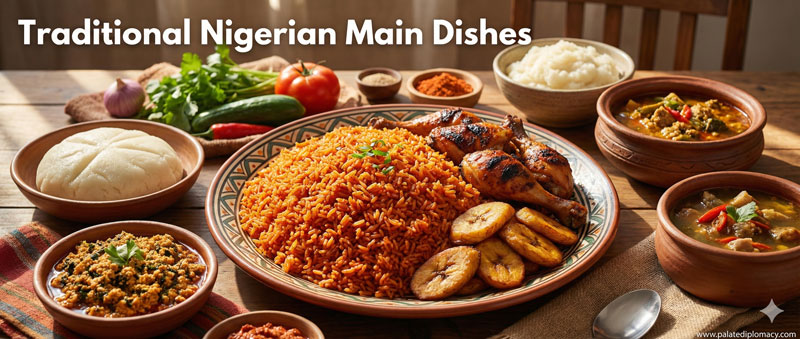
Presentation matters because it invites you to begin with the eyes. A bright, steaming bed of red-orange rice offers a hopeful first impression. Fresh herbs or sliced vegetables can add color and crunch. Accompaniments vary by region but often include fried plantains, grilled fish, or a simple, refreshing side salad. A cool drink or a light juice complements the dish’s richness. The goal is balance: texture, color, and temperature that please the senses in harmony.
Finding Jollof: Where Local Flavor Resides and How to Seek It
In markets, restaurants, and home kitchens, Jollof rice thrives. If you travel, ask for the dish with the understanding that every cook adds a personal touch. In cities around the world, you may find local versions adapted to nearby ingredients. When you taste, look for aroma, color, and texture that echo local markets and family kitchens. The joy comes from discovering how a familiar dish translates across places while preserving a shared essence.
A Gentle Conclusion: Embracing the Beauty of Local Jollof
Jollof rice is a living bridge between flavors and people. It carries cultural value through everyday meals and festive occasions alike. The dish invites curiosity, patience, and appreciation for craft. By exploring its regional expressions and savoring it with a mindful bite, you join a long-standing tradition of hospitality. In this way, Jollof rice remains a bright, comforting symbol of community, family, and the simple joy of good food shared well.