
Introduction
A Complete Guide to Enjoying Kitfo Like a Local invites you to discover a dish that speaks to the heart of Ethiopian dining. Kitfo sits at the crossroads of bold flavor, careful technique, and shared meals. It is more than food; it is a testament to hospitality, family, and a long tradition of crafting balance between spice, fat, and texture. In this guide, you’ll explore the cultural value of kitfo and its culinary significance, written to feel welcoming and informative. View kitfo through the lens of a local: savor, respect, and celebrate every bite.
What is Kitfo?
Kitfo is finely minced lean beef, often enhanced with a kiss of spice. The meat is mixed with a blend called mitmita, a peppery seasoning, and sometimes a paste made with niter kebbeh, a flavorful clarified butter. The result is a dish that can be bright, warm, and deeply savory all at once. Kitfo is traditionally served with injera, a spongy flatbread that absorbs flavors, and with ayib, a soft cheese that brings creaminess. In many homes, the spices bloom in the fat as the meat is stirred, creating a glossy, aromatic mix. The core idea is simple: let the meat shine while the seasoning elevates, never overpowering. This balance is a hallmark of Ethiopian culinary craft.
The Soul of Kitfo: Flavor and Texture
The essence of kitfo lies in its contrast. First, you encounter a clean, beefy aroma, lifted by warm butter and fragrant spices. Next, the texture offers a silky mouthfeel from the fat and a precise, tender bite from the finely minced meat. The heat from mitmita adds brightness and a gentle kick, inviting you to slow down and savor. The creamy ayib and the airy tang of injera provide counterpoints that keep the palate engaged. In this way, kitfo becomes a dance of elements: heat, fat, dairy, and bread, all coming together in a single, satisfying moment. The experience invites shared enjoyment, making every bite part of a social, celebratory meal.
How Locals Prepare Kitfo: Traditional Methods
Locals honor tradition by paying attention to freshness, balance, and timing. First, meat is chosen for quality and tenderness. Then the beef is finely minced and mixed with mitmita and, when desired, other spices that complement the peppery heat. Warm clarified butter is stirred in to meld flavors and create a glossy coating. Next, the blend rests briefly to allow the spices to bloom without overwhelming the meat’s natural character. Some households bake in a quick, gentle warmth for a lightly cooked version; others keep it raw, celebrating the texture of barely touched beef. Across households, the heart remains the same: preparation is deliberate, and shared judgment guides the final taste.
Pairings: Injera, Ayib, and Spices
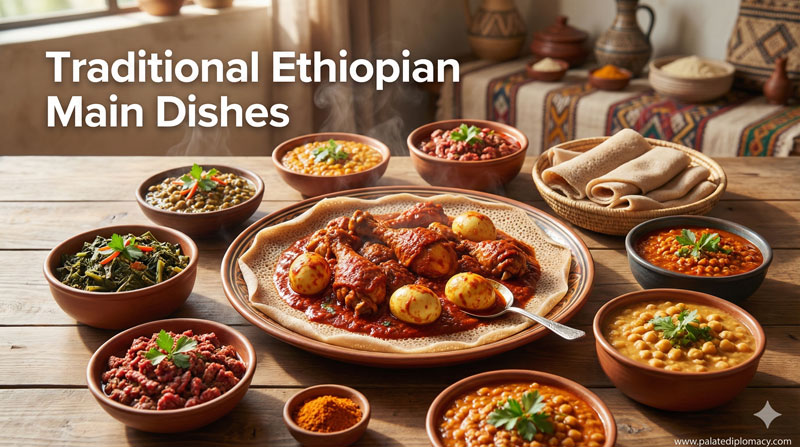
Injera serves as both plate and utensil, soaking up the sauce and providing a soft bed for the meat. Ayib offers a fresh dairy note that contrasts with the pepper and fat, creating a balanced bite. Together, they form a trio that defines the kitfo experience. Beyond the basics, you may find subtle accompaniments like fresh herbs or mild vegetables that brighten the plate without overshadowing the core flavors. The goal is harmony: let each element enhance the next, so the kitfo remains the centerpiece rather than a solo act.
Rituals and Moments: When Kitfo Shines
Kitfo often graces family tables during special gatherings and everyday celebrations alike. It signals care and sharing, inviting guests to participate in the serving and tasting. The act of breaking bread with injera around a plate of kitfo fosters conversation, laughter, and connection. Hosting a kitfo meal becomes a small ceremony of hospitality, where the cook’s touch is felt in every bite. In this way, kitfo carries cultural value: it reinforces community, invites generosity, and marks moments big and small with flavor and warmth.
Regional Variations Across Ethiopia
While the core concept remains constant, regional touches appear in some kitchens. Heat levels vary, as do the spice blends and the amount of fat in the mix. Some cooks emphasize a sweeter note from the butter, while others highlight sharper pepper for brightness. The choice of accompaniments can also shift slightly by region, yet injera and ayib remain common anchors. These regional nuances celebrate diversity within a shared culinary tradition. The result is a dish that feels both familiar and refreshingly distinctive, depending on where you enjoy it.
Tips for Enjoying Kitfo Like a Local
To savor kitfo as locals do, keep a few simple ideas in mind:
– Choose fresh, high-quality beef and trust the aroma. Freshness matters.
– Let the butter-spice coating sit briefly to harmonize flavors before tasting.
– Pair each bite with injera to cleanse the palate and add texture.
– Balance the heat with a bite of ayib for creaminess and contrast.
– Take time to share the dish with others; the social rhythm enhances the flavor.
– If you encounter variations, approach with curiosity and respect for the craft.
Conclusion
Kitfo is a celebration of Ethiopian culinary artistry and hospitality. Its bold spice, silky texture, and thoughtful balance speak to a culture that values care, sharing, and craftsmanship. By approaching kitfo with reverence for its flavors and the people who prepare it, you invite a deeper appreciation of Ethiopian food culture. Enjoying kitfo like a local means letting the flavors guide you, honoring the tradition, and savoring the moment as part of a welcoming, communal dining experience.