
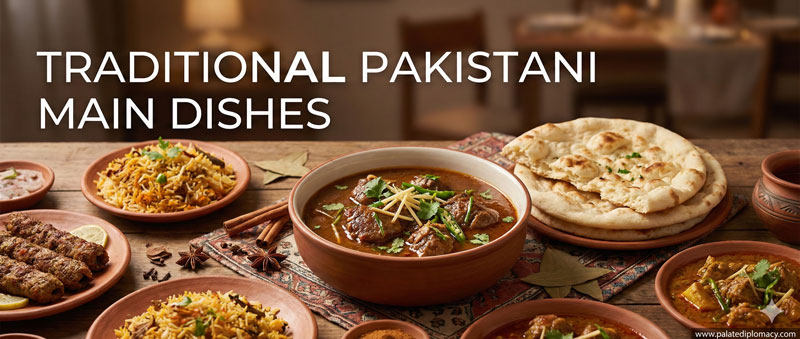
Discover the Rich Flavors of Korma
Korma is a slow-simmered curry that invites the senses with a velvety, fragrant sauce. It blends tender meat or vegetables with a creamy base of yogurt or cream, roasted nuts, and a bouquet of spices. In homes and kitchens, korma becomes more than a dish; it is a gesture of warmth and welcome. The aroma signals time together, patience, and care in preparation. Each kitchen adds its own touch, producing versions that reflect local ingredients and family traditions. This dish holds a cherished place in many cooking cultures, embodying craft, memory, and seasonal produce. Whether enjoyed on a weekday table or a festive spread, korma reveals a sense of place in every bite.
The Heart of the Dish: Core Ingredients and Techniques
At its core, korma begins with a base of slow-cooked onions. The sauce gains mass and richness from yogurt, cream, or a light milk, whisked carefully to stay smooth. Ground nuts—almonds or cashews—create body and a gentle sweetness that balances spices. Whole spices such as cardamom, cloves, cinnamon, cumin, coriander, and bay leaf perfume the oil and carry flavor through the dish. The meat or vegetables simmer softly in this lush sauce, allowing flavors to meld without harsh heat. The cooking pace matters: low heat prevents curdling, and a gradual reduction concentrates aroma. Finishing touches Like a drizzle of ghee or saffron threads lift color and fragrance. The result is an elegant dish that feels luxurious yet approachable, with a balanced harmony of richness, brightness, and warmth.
Regional Variations Across the Subcontinent
Across regions, korma wears distinct faces while keeping its gentle spirit intact. In Lucknow and nearby kitchen traditions, the style favors refined creaminess and a delicate spice balance. In Kashmiri homes, saffron and dried fruits bring a sunlit sweetness that pairs beautifully with yogurt’s tang. Other areas adapt the recipe to local produce, offering chicken, lamb, beef, or vegetables such as cauliflower and peas. Paneer versions showcase the soft texture of cottage cheese in a creamy veil of sauce. Each variation honors the central idea: a slowly cooked sauce that coats every bite with aroma and depth. The same method travels from family to family, inviting cooks to interpret it with what is on hand while remaining faithful to the dish’s spirit.
Cultural Value and Everyday Significance
Sharing a pot of korma is a genuine signal of hospitality. The dish arrives at the table steaming, inviting conversation and connection. Families pass along the craft through careful steps: selecting ingredients, grinding spices, and watching the sauce thicken. The technique travels from elder cooks to new generations, preserving flavor memory and technique. Korma also frames many gatherings, from intimate family feasts to larger meals where friends gather. It serves as a centerpiece that fosters togetherness, conversation, and shared enjoyment. The aroma becomes part of the memory, linking present meals with cherished moments of the past. In homes and eateries alike, korma supports mindful cooking and considerate service.
Pairings, Presentation, and Festive Serving
Pair korma with fluffy basmati rice or warm, soft naan. Toasted almonds or pistachios add texture, while saffron strands or a delicate swirl of cream elevate visuals and aroma. Garnishes enhance color and scent, making the dish inviting even before the first bite. Serve in shallow bowls to showcase the sauce’s sheen and richness. The table setting and serving style reflect care, inviting guests to linger and savor. In many kitchens, a shared bowl of korma becomes a focal point of the meal, encouraging everyone to participate and enjoy together.
Tips for Home Chefs: Crafting a Gentle Korma
Plan ahead to allow flavors to settle. Soak nuts to soften them, then blend into a smooth paste. Toast whole spices first to unlock their fragrance. Grind spices into a fine powder or paste, depending on the recipe you follow. Sweat onions until golden before adding spices, then whisk in yogurt gradually to prevent curdling. Add meat or vegetables and simmer slowly, letting the sauce thicken and the ingredients release their juices. Finish with a little cream or a touch of ghee, and, if available, saffron for a subtle lift. Taste and adjust salt and sweetness as needed. The key is gentleness: low heat, patience, and a respect for each ingredient’s natural depth.
Closing Thoughts: The Enduring Charm of Korma
Korma offers more than flavor. It carries a sense of place, craft, and sharing. The dish invites cooks and guests to slow down, savor each step, and celebrate everyday meals. It stands as a testament to how simple ingredients, balanced techniques, and thoughtful presentation can create a meal that feels both luxurious and comforting. Whether served in a bustling kitchen or a quiet home, korma welcomes everyone to the table and invites memorable, meaningful dining.