
Discover the Bold Flavors of Curry Goat
Curry goat invites you to explore a dish that blends warmth, depth, and tenderness. The quality of the meat, the skill of the spice blend, and the patience of the simmer all come together to create a memorable meal. In a single pot, you can sense history, craft, and care. The aroma rises first, then the flavors reveal themselves in layers. This dish is a celebration of the senses and a testament to kitchen craft.
Cultural Value and Community
Curry goat holds a special place at family tables and in community kitchens. It is a dish shared across generations, with each cook adding a personal touch to the spice balance and cooking pace. Families gather around the pot, chatting as the sauce thickens and the meat becomes fork-tender. The act of cooking and sharing curry goat signals hospitality and warmth. The recipe travels through kitchens, evolving with fresh herbs, local peppers, and regional preferences, yet always keeps the core idea: a comforting, flavorful curry served with generosity.
Culinary Significance and Techniques
This dish is a study in balance and technique. The spice blend forms the foundation, and careful timing builds its character. Begin by toasting a blend of spices to wake their aroma. Then, sear the goat pieces to seal in juices and develop a deeper flavor. The curry base—often a mix of curry powder, garlic, onion, and ginger—provides warmth and an earthy backbone. Fresh thyme adds a whisper of herbaceous brightness, while a touch of allspice deepens the sweetness of the sauce. A splash of liquid, such as broth or Coconut Milk, can mellow the heat and enrich the texture. Slow simmering allows the meat to become tender and the sauce to embrace every bite. The result is a glossy, fragrant Curry with a robust yet approachable heat that lingers pleasantly.
Flavor Profile and Sensory Experience
Curry goat delivers a rich, multi-layered aroma. The scent of toasted spices mingles with onion, garlic, and herbs, creating an inviting perfume that fills the room. The flavor profile blends earthiness from the meat and spices with a bright lift from aromatics and peppers. The heat is present but refined, allowing sweetness from onions and a hint of acidity to brighten the sauce. The meat remains juicy and tender, absorbing the spice without overpowering the palate. The final texture is a silky sauce enrobing savory pieces, making each mouthful satisfying and comforting.
Serving, Pairings, and Traditions
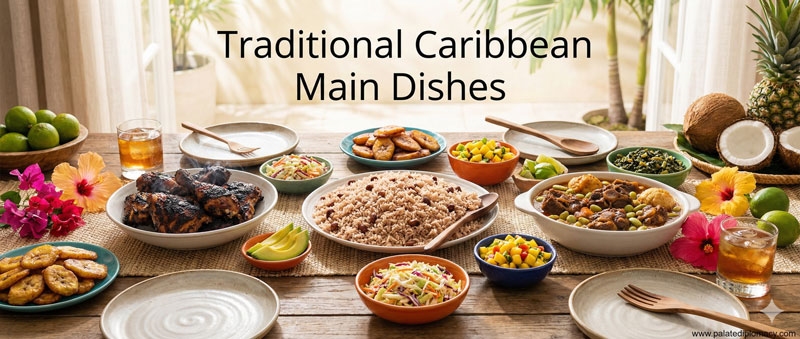
Traditionally, curry goat is served with accompaniments that lift and balance the dish. Steamy rice or rice and peas provides a neutral base to soak up the sauce. Roti or flatbread offers a textured vehicle for scooping and savoring. Fried plantains add a touch of sweetness and contrast. Fresh lime wedges or chopped herbs brighten the plate, while pickled vegetables offer a tangy counterpoint. The serving choices vary by kitchen, yet the theme remains the same: a hearty main that rewards slow cooking and thoughtful pairing.
Home Kitchen Tips
- Choose bone-in goat cuts for flavor and moisture; shoulder and leg work well.
- Marinate the meat for several hours to let spices penetrate deeply.
- Toast spices until fragrant, then grind for a crisp, bright spice base.
- Brown the meat first, then build the sauce with onions, garlic, and ginger.
- Add thyme and a touch of allspice for depth; adjust the heat with peppers to suit taste.
- Simmer slowly until the meat is tender and the sauce coats every piece.
- Finish with a splash of coconut milk or a squeeze of lime to balance richness and brightness.
A Gentle Celebration of Craft and Flavor
Curry goat stands as a vivid example of culinary artistry in everyday kitchens. It honors time-tested techniques, celebrates vibrant spice blends, and invites cooks to share a meal with care. The dish welcomes newcomers and longtime fans alike, offering a vivid ride through aroma, texture, and flavor. In every bite, you taste tradition, skill, and the joy of gathering around a dish that speaks with bold confidence and warm hospitality.