
Why Curry Goat Is One of the Caribbean’s Most Loved Dishes
Curry goat stands as a bright beacon in Caribbean cooking. It speaks of warmth, family, and craft. The dish combines tender meat, bold spice, and a simmering aroma that fills the kitchen and welcomes everyone to the table. Its popularity comes from how it celebrates simple ingredients and patient preparation. In households and at street stalls, curry goat shines as a comforting, uplifting favorite.
A Flavor Core: The Foundation of Curry Goat
The Heart of the dish is the curry blend. A well-balanced mix blends earthy turmeric, warming cumin, and pepper with fragrant garlic and ginger. Scotch bonnet or habanero peppers add a sunny kick. Fresh thyme, allspice, and a splash of lime brighten the profile. Coconut Milk may join the pot, adding a silky depth. The result is a sauce that holds both heat and harmony. Each bite feels lively yet approachable, inviting you to explore layer after layer of flavor.
The Meat That Tells a Story: Goat and Its Character
Goat meat is lean and Flavorful, with a texture that responds beautifully to slow simmering. When cooked well, the muscle fibers soften and absorb the spice. The meat becomes tender yet holds its shape, offering gentle bites that release complex notes as you chew. This character makes curry goat a dish of balance: a sturdy protein paired with a bright, aromatic sauce. The meat’s natural taste blends with the spice, creating a melody that is distinctly Caribbean.
The Spice Dance: A Recipe for Richness
Curry goat thrives on the dance between spice and sweetness. The curry powder or paste provides warmth, while fresh herbs lift the aroma. Onion and garlic form a savory base, and peppers deliver a sunlit heat. Bay leaves or pimento berries add depth, and a touch of lime or vinegar can brighten the finish. The secret is in layering: bloom each spice briefly to unlock its perfume before the meat joins the pot. The result is a sauce that is both robust and balanced.
The Method: From Sear to Slow Simmer
A steady approach yields the best curry goat. Start with a quick sear to caramelize the meat’s edges. This develops color and a deeper flavor. Next, build the sauce with aromatics, spices, and liquids. A slow simmer lets the meat absorb the curry’s warmth and the sauce thicken to a glossy sheen. Throughout the process, gentle stirring avoids sticking and preserves the dish’s silky texture. The cooking time invites patience, but the payoff is a dish with soul and shine.
Regional Echoes: Variations Across Islands
Across the Caribbean, curry goat shows delightful regional variation. In one island, coconut milk may be more prominent, giving a sweeter, creamier finish. In another, lime and herbs stand out, producing a brighter, citrusy note. Some cooks add tomatoes for a tangy glaze, while others rely on a spicier pepper blend. These differences reflect local tastes and seasonal ingredients. Yet the core idea remains the same: tender goat, fragrant curry, and a sauce that hugs the meat.
Serving Traditions: Meals That Bring People Together
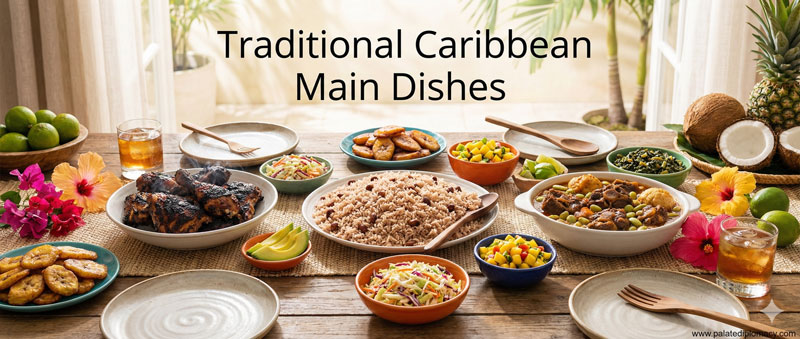
Curry goat often appears at festive gatherings, family meals, and weekend feasts. It is commonly served with rice—steamed, pilaf, or coconut rice—that soaks up the savory sauce. Fried plantains or dumplings add a sweet or starchy balance. A fresh salad or pickled vegetables can provide a crisp contrast. The dish also shines in street-side eateries, where a comforting aroma draws neighbors and visitors alike. Sharing a plate of curry goat is a moment of welcome and joy.
A Sense of Place: The Cultural Value of the Dish
Curry goat embodies a celebration of place, palate, and community. It bridges everyday cooking with special-occasion flavor, reminding all who taste it of home and hospitality. The dish honors practical techniques—seasoning, searing, simmering—and the generosity of generous portions and warm conversations. Its beauty lies in how it brings people together, inviting smiles around a shared bowl and moments of quiet appreciation for skill, timing, and care.
Final Thoughts: Why It Endures
Curry goat endures because it feels both timeless and current. It respects tradition while inviting improvisation with local ingredients. Each bite offers a map of textures and tones: the bite of meat, the glow of spice, the soft rain of coconut and herbs. It remains a favorite because it makes gatherings feel intimate, even in a busy kitchen or a lively market. For many, curry goat is more than a dish—it is a celebrated expression of Caribbean cooking at its most warm, flavorful, and inviting.