
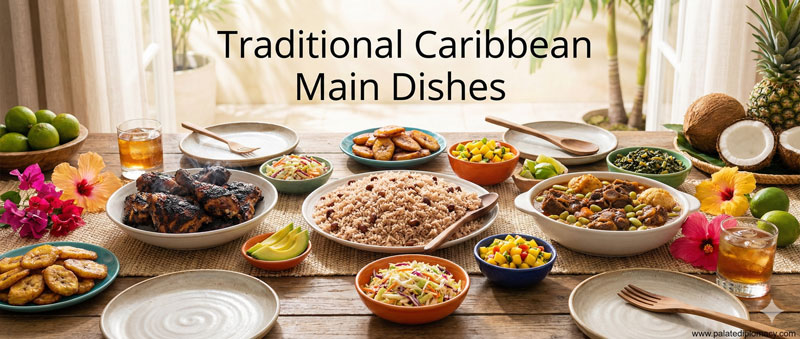
A Complete Guide to Enjoying Curry Goat Like a Local
Curry goat is more than a meal. It is a warm invitation into Caribbean kitchens, street stalls, and family gatherings. The aroma alone can spark conversations, memories, and smiles. This guide highlights the cultural value and culinary significance of curry goat, inviting you to savor it with respect and curiosity.
What makes curry goat a culinary landmark
In many Caribbean homes and communities, curry goat signals hospitality and celebration. Families gather for weekend meals, Sunday lunches, and special occasions, sharing plates that reflect tradition and care. The dish brings people together through a shared ritual: selecting fresh meat, blending spices, simmering slowly, and passing around utensils, bread, or rice. Its presence on the table speaks to gratitude for good ingredients, skillful heating, and time taken to create something comforting and nourishing. The dish also showcases regional ingenuity—combining local herbs, peppers, and goat meat to produce a heartwarming, fragrant dish that feels both familiar and distinct.
Flavor profile and tasting rituals
The taste unfolds in layers. The goat meat provides a deep, slightly mineral note that takes on the spices with each simmering moment. Caribbean curry blends typically include coriander, cumin, turmeric, and fenugreek, balanced by thyme, garlic, and onion. A hint of allspice (pimento) adds warmth, while scotch bonnet peppers or other fiery peppers wake the palate with bright, lingering heat. Coconut Milk may appear in some versions, adding a creamy smoothness that rounds the spice. The result is a harmonious balance: earthy, bright, spicy, and comforting all at once. When you taste, notice the richness of the meat, the perfume of the curry, and the gentle glow of the herbs.
A local-eating mindset emphasizes patience. The dish invites you to inhale deeply, savor the aroma, and take small, deliberate bites. Sip water or a cool beverage between tastes, and let the spice reveal itself gradually. Pairing the curry goat with a soft starch—like fluffy rice or a tender roti—lets the flavors breathe. The goal is to experience the curry as a whole, then discover the subtler notes that emerge with every bite.
Choosing the meat and spice blends
Goat is prized for its lean texture and rich flavor. Fresh, well-cut pieces absorb spices more evenly and cook to tenderness with careful heat. When shopping, look for goat with clean, light-colored fat and firm muscle. If you see bone-in chunks, that marrow adds depth during simmering, a hallmark of authentic preparation.
Spice blends benefit from balance. A traditional Caribbean approach often uses a curry powder or a curry paste that has cumin, coriander, turmeric, and fenugreek in harmonious proportion. Fresh herbs—thyme and scallions—lift the dish, while garlic and ginger provide bright bite. A dash of allspice can underscore the meat’s warmth. For a milder version, reduce the peppers; for a bolder profile, increase them carefully. The beauty lies in adjusting heat and aroma to suit taste while preserving the dish’s core character.
The heart of the dish: balance and technique
Curry goat shines when flavors have room to mingle. Locally minded cooks value slow, gentle simmering over high heat, allowing the meat to soften and absorb spice. A common approach is brown the meat first to deepen flavor, then introduce onions, garlic, and spices to bloom their fragrance. Afterwards, add liquid—water or stock—and let the mixture simmer until the meat is tender and the sauce thickens into a lush, silky coat on every piece.
Texture matters as much as taste. The meat should be tender but still hold its shape, offering a satisfying bite. The sauce should coat each piece and cling to rice or bread. Sight, scent, and texture combine to tell The Story of a dish that has evolved through practice and care. If you use a cooking aid Like a slow cooker or pressure cooker, aim for a long, low simmer for the richest depth of flavor.
Serving traditions and pairings
A well-balanced plate makes the experience complete. Common pairings include:
- Rice and peas (or plain white rice) that soak up the sauce beautifully.
- Roti or flatbread to scoop and wrap pieces of meat with a fold of sauce.
- Fried plantains for a touch of sweetness that contrasts with the spice.
- A crisp vegetable side or a simple salad for brightness.
Garnishes can be simple: a squeeze of lime, fresh herbs like cilantro or scallions, and a light sprinkle of fresh pepper if you enjoy extra heat. The choice of sides reflects local preference and personal taste, but the throughline remains clear: the dish pairs best with comforting, mild textures that let the curry’s personality shine.
Where to find curry goat in the Caribbean
Curry goat appears in many Caribbean settings, from bustling street stalls to cozy family kitchens. In markets and eateries, you’ll often hear the simmering pot’s aroma long before you see the dish. Locals cook what they know, which means you may encounter family recipes, regional twists, and seasonal variations. Look for curry goat at places that celebrate time-honored recipes, pride in fresh spices, and a welcoming table. Trying curry goat where the cooks are known for their careful spice balance invites you to taste the heart of a community’s culinary craftsmanship.
Tips for an authentic experience
- Start with a moderate spice level, then adjust to taste. If you love heat, add peppers gradually and season with care.
- Seek fresh ingredients. Vibrant herbs, fresh garlic and ginger, and a well-made spice blend lift the dish.
- Listen to the aroma. A good curry goat fills the room with warmth and inviting scent—let it guide your palate.
- Ask about pairings. Locals may suggest a preferred accompaniment, whether roti, rice, or a specific vegetable side.
- Respect the shared table. If you’re dining with others, take small portions first, then enjoy seconds as a sign of appreciation.
Embracing the dish with respect and joy
Curry goat is a celebration of flavor, craft, and community. By approaching the dish with curiosity and gratitude, you honor the chefs and home cooks whose skill and tradition bring it to life. Share the moment around the table, notice the teamwork in the kitchen, and appreciate the care that goes into each plate. The beauty of curry goat lies not only in its taste but also in its ability to connect people through food, conversation, and a shared love of good cooking.
Final thoughts
Whether you savor it at a market stall, in a family kitchen, or at a festive table, curry goat offers a window into Caribbean culinary culture. Its spices tell stories of place, season, and craft. Its meat invites tenderness and depth. And its serving rituals remind us that food is a generous practice—meant to be shared, enjoyed, and passed on with kindness. By exploring curry goat with an open heart and a patient palate, you join a long tradition of guests who have found comfort and joy in the warmth of this remarkable dish.