
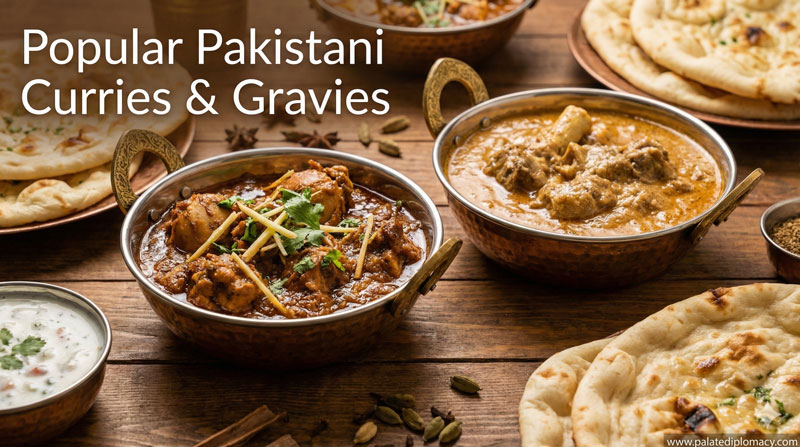
A Dish of Everyday Hospitality
Daal Tarka sits at the center of Pakistani Food Culture as a welcoming, everyday dish. It speaks of family tables, shared meals, and warm conversations that begin before the first spoonful. Lentils add a sense of nourishment that families trust, day after day. The final tempering, or tadka, releases aroma and memory, inviting everyone to gather and enjoy.
Core Ingredients and Technique
The dish relies on a simple trio: lentils, water, and a gentle spice blend. Common dal varieties include red, yellow, and green lentils, each bringing its own character. A light base of onion, garlic, and ginger often guides the simmer, with tomatoes adding brightness. When cooked well, the dal becomes creamy yet bright, balancing earthiness with gentle sweetness.
The Tarka: A Symphony of Aroma
Tarka is where the dish truly comes alive. Hot oil or ghee crackles cumin seeds, garlic, and chilies, and sometimes mustard seeds or curry leaves join the chorus. The sizzling moment releases a layered perfume that coats the dal with warmth. This step is quick, but its impact lingers—an aromatic invitation to savor.
The Serve and the Social Table
Daal Tarka is typically served with fluffy rice or fresh flatbread, such as roti or naan. A squeeze of lemon and a scatter of fresh cilantro brighten the bowl. Yogurt, pickles, or a tangy salad are common sides that add texture and balance. In every household, the presentation says: you are welcome here.
Regional Voices in Daal Tarka
Across Punjab, Sindh, Khyber Pakhtunkhwa, and beyond, dal tadka wears regional accents. Some kitchens favor richer ghee and bolder spice notes; others emphasize lighter, cleaner flavors. Tomatoes may be added for a brighter curry profile in some areas, while others keep the dal more natively earthy. This variety showcases how a single dish adapts to local tastes while preserving core technique.
The Rhythm of Preparing Daal in a Home
Home cooks often begin with rinsed lentils and measured water, letting the dal soften at a steady simmer. Foam and scum are skimmed to keep the texture smooth. A base of onions, ginger, and garlic adds depth, followed by spices like cumin, coriander, and turmeric. When the dal nears tenderness, the tadka is finished in a separate pan and poured over, awakening the entire pot.
Flavor, Texture, and Nutrition
Daal Tarka offers a comforting, creamy mouthfeel with a gentle bite from whole spices. The dish provides plant-based protein and fiber, making it a nourishing staple. Its flavor profile rewards patience: slow simmering yields a depth that quick soups often miss. The result is a versatile canvas that supports many seasonings and pairings.
Occasions, Rituals, and Everyday Joy
This dish accompanies both everyday meals and family gatherings. It travels well from kitchen to table, always inviting conversation. Seasonal ingredients may influence the tadka and spice level, keeping the dish fresh and relevant. In every season, Daal Tarka remains a constant, friendly presence at the table.
Crafting Daal Tarka at Home: Practical Tips
Choose a dal variety you enjoy, then adjust the quantity of water for creaminess. Build flavor with a gentle onion-tomato base and a careful spice blend. Respect the tadka moment: hot oil, crackling spices, and quick mixing. Finish with fresh herbs and a squeeze of citrus to brighten the dish.
Daal Tarka is more than a recipe; it is a reflection of care, balance, and communal joy. Its cooking steps are approachable, yet the result feels meaningful and complete. In the heart of Pakistani food culture, this dish invites everyone to taste hospitality, savor texture, and celebrate the beauty of simple, well-made food.