
Introduction
Discover the Unique Taste of Kopytka in Poland. This humble dish speaks softly of home, family, and everyday life. in Polish kitchens, Kopytka is more than a plate of dumplings. It is a warm invitation to slower meals, honest ingredients, and shared pleasure. The dish invites curiosity about how simple foods can become deeply meaningful. With a tender bite and a gentle aroma, Kopytka draws people together around the table.
What Are Kopytka?
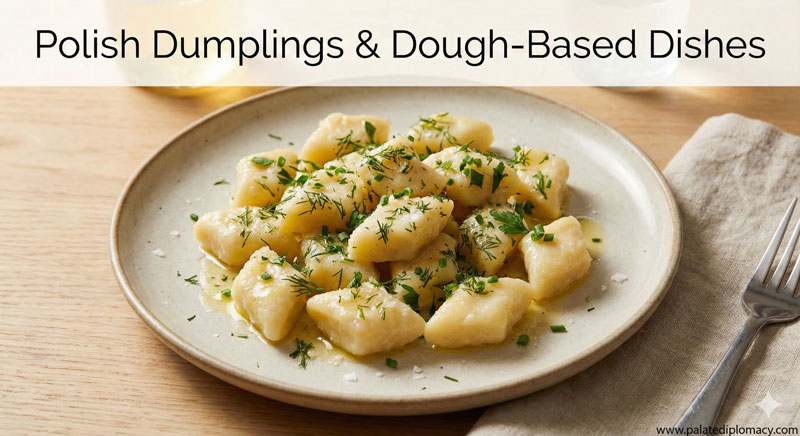
Kopytka are soft, potato-based dumplings. The dough joins mashed potatoes with flour and a touch of egg and salt. The name, meaning little hooves, hints at its playful shape. Cooks roll the dough into thin logs, cut small pieces, and boil them until they float. The result is light, tender, and subtly chewy. Kopytka adapt to many flavors. They pair beautifully with butter and breadcrumbs, savory mushroom sauces, or a sprinkle of sugar and cinnamon for a sweet finish.
Cultural Significance in Polish Cuisine
Kopytka holds a special place in Polish culinary life. It embodies comfort, frugality, and care. Families pass the recipe from one generation to the next, turning simple potatoes into a dish that feels familiar yet celebratory. The dish appears on weekend meals as well as everyday lunches, creating moments of togetherness. Its versatility mirrors Polish dining rituals: a respectful nod to tradition, blended with room for personal taste. Kopytka invites slow enjoyment, conversation, and gratitude for shared food.
Regional Variations and Serving Traditions
Across Poland, cooks bring subtle differences to Kopytka. In many homes, they are finished in a pan with browned butter and a dusting of breadcrumbs for a toasty crunch. Others serve them with a rich mushroom gravy or a light sour cream sauce. Some households enjoy Kopytka with a hint of sweetness, finishing the dish with sugar and a pinch of cinnamon or fruit compote. The dough itself can vary slightly in thickness, producing a slightly firmer bite in one region and a softer bite in another. These small variations celebrate local tastes while preserving the dish’s essential simplicity.
Seasonal Moments and Gatherings
Kopytka shines in seasonal gatherings and family moments. In autumn, families savor the dumplings after harvest chores, enjoying the warmth they bring. In cooler months, a plate of Kopytka offers comfort and nourishment after a day outdoors. The dish also features in celebratory meals where friends and relatives share stories and laughter. Its adaptability makes it a reliable companion for countless Polish table settings, from casual dinners to more festive occasions.
The Craft Behind Kopytka
The craft of Kopytka lies in balance and care. Start with well-cooked, cooled potatoes for a smooth dough. Blend them with just enough flour to form a cohesive mass, then fold in a small amount of egg and salt. Roll into slender ropes, slice into short pieces, and gently shape them. Boil until they rise to the surface, then drain with care. The finishing touch—melted butter, a warm sprinkle of breadcrumbs, or a savory sauce—brings aroma and depth. The joy is in watching simple steps become a dish that feels personal and comforting.
Pairings and Taste Experiences
Kopytka invites thoughtful pairings. A pat of butter with toasted breadcrumbs adds a toasty note and gentle crunch. Mushroom sauces, lightly browned onions, or a spoon of sour cream provide savory richness. For a sweeter moment, a light dusting of sugar and cinnamon or a fruity compote can be delightful. The texture remains the focal point: tender dumplings that carry sauces and toppings with grace. A careful balance of aroma, texture, and flavor creates a memorable tasting moment.
Bringing Kopytka Into Your Home
To welcome Kopytka into your kitchen, start with good ingredients. Choose flour with a reliable gluten structure and potatoes that are starchy rather than waxy. Cook potatoes until tender, then mash smoothly. Add just enough flour to form a soft, pliable dough. Keep the dough lightly dusted to prevent sticking. Cook the dumplings in salted water, drain gently, and finish with your preferred toppings. The dish adapts to casual family meals or a more formal dinner, always offering warmth and comfort.
Conclusion
Kopytka is a testament to the beauty of Polish culinary culture. It embraces modest ingredients, careful technique, and a generous sense of sharing. As a dish, it invites curiosity, conversation, and connection. By exploring Kopytka, you discover how a simple potato dumpling can become a cherished cultural treasure, inviting you to slow down, savor the moment, and celebrate the joy of food together.