
Why Suya Is One of Nigeria’s Most Loved Dishes
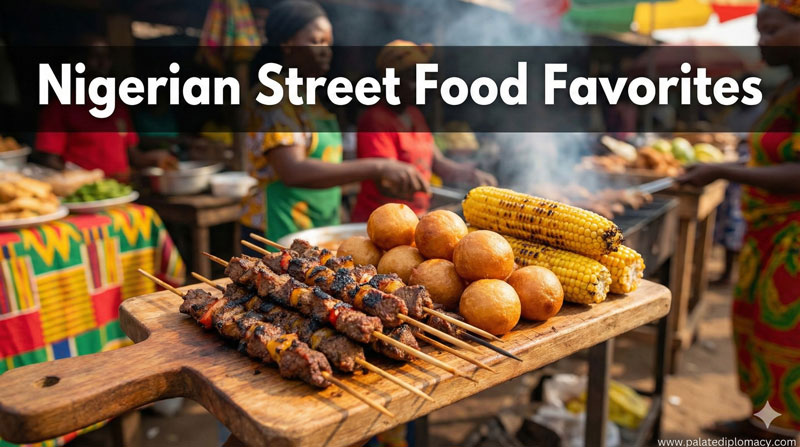
Suya stands out in Nigeria’s vibrant food scene because it blends fire, flavor, and fellowship. The scene at a busy market or street corner often centers on a row of skewers sizzling over charcoal. Each bite offers a balance of smoky meat, a crisp crust, and a warm, peanut-spice aroma. For many families and neighbors, suya is more than a meal; it is a communal moment that marks daily life, celebrations, and the simple joy of good company.
The Core Ingredients: Meat, Spices, and Peanut
The foundation is straightforward: meat on skewers, roasted to tenderness, with a bright, nutty crust. Vendors commonly use beef or chicken, and sometimes fish or goat, depending on local tastes. The standout element is the coating. A fragrant mix of ground roasted peanut, chili pepper, and aromatic spices becomes a lively, peppery crust. This blend, often called yaji, carries both heat and depth, so each bite reveals layers of flavor rather than a single note. The ingredients are chosen for their bold character and for how well they hold up to a hot grill and quick roasting.
The Technique: Fire, Skewers, and Patience
Suya earns its magic from technique as much as ingredients. The meat is threaded onto slender skewers and grilled over charcoal until the outer surface is crisp and richly colored. Vendors rotate the skewers with practiced ease, letting heat kiss every side. The result is a dynamic texture: a crackly exterior that gives way to juicy meat inside. The scent fills the air, inviting people to pause and share a moment of anticipation. This careful balance between heat, timing, and touch defines suya’s signature appeal.
The Spice Blend: Yaji and Its Warmth
Yaji is the soul of suya. The blend brings warmth, a touch of sweetness, and a lingering peppery glow. Some cooks toast spices to deepen aroma; others blend fresh ingredients for a brighter bite. Across regions, you’ll notice subtle differences—richer peanuts in one version, a spicier kick in another, a hint of ginger or onion adding nuance. Yet the core idea remains the same: a toasty, peanut-forward mixture that clings to the meat and elevates every bite.
The Social Thread: Markets, Street Stands, and Shared Moments
in the rhythm of Nigerian life, suya is deeply social. Stalls line market streets, welcoming regulars and curious visitors alike. Vendors greet neighbors by name, sometimes offering a sample or a quick tip on the spice level. Groups gather, enjoying skewers with onions, tomatoes, or cucumbers, swapping stories as the charcoal glows. In this setting, suya becomes a bridge between people—an informal gathering where conversations start as bites and end in laughter.
Regional Flavors: Variations Across Cities
Different cities bring distinct touches to suya. In some places, you’ll find a lighter, crisper crust that crisped up quickly on the grill. In others, a deeper, smokier tone accompanies a slightly sweeter spice mix. Regional preferences may favor thicker coatings or leaner cuts, and tucked-away street corners often reveal family recipes passed down with pride. These variations celebrate local ingredients and the shared craft of the cook, while keeping the core experience unmistakably suya.
Senses in Action: Aroma, Texture, and Color
Suya enchants through all senses. The aroma intertwines peanut warmth with peppery spice and charcoal smoke. The crust offers a satisfying crackle, giving way to juicy meat that remains tender. The color—rich browns with a hint of red—signals both caramelization and careful flame work. This sensory mix draws people in, inviting them to savor not just A Flavor, but a mood crafted by countless small, skilled actions.
Serving Traditions: Onions, Tomatoes, and Condiments
A typical suya moment includes fresh accompaniments. Sliced onions, tomatoes, and cucumbers add brightness and crunch, balancing the heat. A squeeze of lime or a drizzle of pepper sauce can lift the flavors further. These simple sides make the meal feel complete, transforming skewers into a satisfying, shareable experience that suits casual evenings as well as celebratory gatherings.
Suya in Nigerian Food Culture: A Living Tradition
Today, suya represents more than a dish; it embodies a practice of craft, hospitality, and celebration. Cooks invest time in selecting meat, grinding spices, and tending the grill, and diners invest time in arriving with friends or family and staying for conversation. The dish travels well from markets to homes, reminding everyone that great flavor often comes from everyday, thoughtful preparation. The result is A Beloved staple that continues to inspire respect for skill, warmth, and the joy of communal eating.
Keeping the Tradition Alive: A Gentle Appreciation
To honor suya is to appreciate the patience of the cook, the brightness of the spice, and the kindness of a shared table. If you try it at home, start with a good peanut-spice mix, balance heat with aroma, and give the meat a careful roast. Then gather with others, and let the moment unfold as it does in markets and neighborhoods across Nigeria: with warmth, conversation, and a few memorable bites.