
Introduction
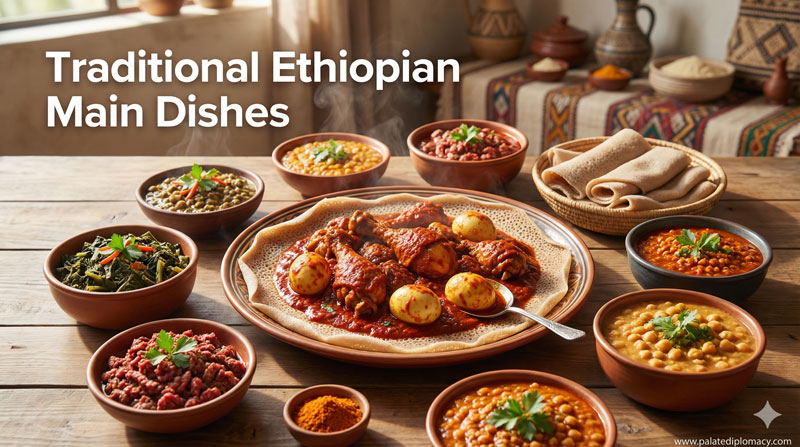
Doro Wat reveals the heart of Ethiopian food culture in a single simmering pot. This chicken stew carries warmth, welcome, and a sense of place. It blends berbere, niter kibbeh, onions, garlic, and slow cooking to create a glossy, deeply flavorful sauce. When served with injera, the dish becomes a doorway into everyday Ethiopian life. Doro Wat is not just sustenance; it is hospitality made tangible, a manifest of care in every bite.
Core Ingredients and Techniques
The backbone rests on onions caramelized to sweetness, building the sauce layer by layer. Berbere adds heat, depth, and a bright, fragrant kick. Niter kibbeh brings a nutty, spiced perfume that circles the palate. Garlic and ginger brighten the mix, while a touch of salt guides each flavor forward. Hard-boiled eggs join near the end, soaking up the sauce and offering a pleasant contrast. The technique matters: a patient simmer thickens the sauce and threads the flavors into harmony.
The Ritual of Preparation
Preparation is a social ritual as much as a culinary task. Families gather around the stovetop, sharing tasks and tips. The wooden spoon becomes a thread that ties generations together as onions soften and the spices bloom. The kitchen fills with a warm aroma, inviting conversation and memory. Slow stirring and steady heat reflect a careful, mindful approach to cooking that many households hold dear.
Flavor, Texture, and Cultural Significance
Doro Wat offers a memorable balance of heat, savor, and sweetness. The spice blend carries heat without overpowering, while the onions provide a velvety body to the sauce. Tender chicken absorbs the sauce’s richness, and the eggs add a subtle, comforting bite. The pairing with injera turns each mouthful into a shared experience, where texture, aroma, and taste echo the everyday rhythms of life and the importance of careful preparation.
Doro Wat at the Table
At the table, injera acts as both plate and utensil. Diners tear a piece of the sour, spongy bread and use it to scoop the stew. This act of sharing reinforces communal dining and togetherness. The dish becomes a focal point for conversation, planning, and simple enjoyment. The method invites everyone to participate, creating a warm, inclusive atmosphere around the meal.
A Dish of Memory and Celebration
Doro Wat travels beyond daily meals to moments of celebration and memory. It accompanies gatherings that mark milestones, family visits, and seasonal rituals. In these settings, cooks pass down tips, adjust spice levels, and tell stories that bring the dish to life for younger generations. Each serving reinforces a sense of belonging, continuity, and respect for culinary heritage.
Conclusion
Doro Wat stands as a vivid expression of Ethiopian food culture. Its blend of spices, patience, and communal sharing highlights how food can teach hospitality, tradition, and togetherness. The dish invites curiosity and appreciation for small details—a slow simmer, a fragrant aroma, a perfect balance of heat and comfort. Through every bite, Doro Wat celebrates the beauty of a cuisine built on care, craft, and community.