
Discover the Rich Flavors of Doro Wat
Doro Wat is a cherished Ethiopian chicken stew. It glows with a deep, amber color and a warm aroma. The dish invites patience, balance, and a sense of hospitality. As onions caramelize and spices awaken, the kitchen becomes a space where family memories gather. This post highlights its cultural value and culinary significance, inviting you to savor how flavor can tell a story of people, place, and shared meals.
What is Doro Wat?
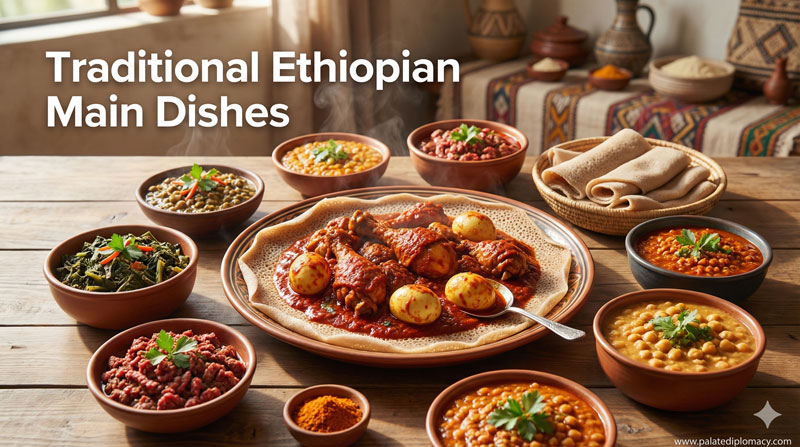
Doro Wat is a hearty stew from Ethiopian Cuisine. The star is tender chicken, slowly simmered in a sauce rich with berbere, a bold spice blend. Niter kibbeh, a spiced clarified butter, adds depth and sheen. The base comes from onions sautéed until soft and sweet, with garlic and ginger for warmth. Hard-boiled eggs are often added toward the end. The dish is traditionally served with injera, a sour flatbread that accompanies every bite. Together, these elements create a comforting dish that speaks to daily life and festive moments alike.
Key Ingredients and Their Significance
Berbere drives the flavor with heat, aroma, and nuance. It blends chili peppers, garlic, ginger, fenugreek, coriander, and other spices. Niter kibbeh brings a nutty, fragrant richness that smooths the heat. Onions form the heart of the sauce, building sweetness and depth as they brown. Garlic and ginger add freshness and bite. Eggs offer a gentle contrast to the bold sauce and become a filling, comforting addition. Injera serves as both plate and utensil, soaking up sauce and inviting communal tasting. Each component is chosen to heighten texture, aroma, and color, creating a dish that feels alive from the first aroma to the last bite.
The Craft: Technique and Patience
First, onions are cooked slowly until they deepen in color. This step builds the foundation of sweetness and body. Next, chicken is added and browned, sealing in juices. Then berbere is stirred in, waking the spices and turning the sauce vivid. Niter kibbeh is poured in to enrich the sauce with fat and perfume. The mixture simmers gently, letting flavors meld over time. Finally, eggs are tucked into the sauce to warm through. The result is a sauce that is both bright and mellow, with a lasting finish. The technique rewards calm attention and steady heat.
Cultural Value and Community
Doro Wat holds a special place in Ethiopian food culture. It is a dish that gathers people around a shared pot, inviting conversation and togetherness. The preparation reflects care and generosity, with cooks guiding flavors through careful adjustments. Serving Doro Wat signals a moment of welcome, hospitality, and celebration. It honors the hands that harvest ingredients, raise spices, and tend the simmering pot. In homes and communities, the dish becomes a familiar ritual that strengthens bonds and creates memory through taste.
Serving Traditions and Pairings
The traditional accompaniment is injera, which doubles as a plate and a utensil. Diners tear off pieces of injera to scoop up the sauce and bite into tender chicken and eggs. The texture contrast—soft bread with a rich, spicy sauce—enhances the experience. A simple salad or lentil dish often accompanies the main course, adding color and balance. Beverages can range from refreshing teas to light, non-alcoholic drinks that cleanse the palate between bites. Across tables, the act of sharing Doro Wat emphasizes warmth, care, and celebration.
Variation Across Homes and Regions
Many households adapt Doro Wat to their own tastes. Some increases or lowers the heat by adjusting berbere levels. The choice of poultry can vary, with chicken thighs offering more richness and moistness, while drumsticks present a classic bite. Some cooks add more onions or vary the spice mix slightly to reflect family preference. Eggs may be included or omitted based on tradition. These variations honor local ingredients and family tradition while keeping the heart of the dish intact: a fragrant, satisfying stew meant for sharing.
Tips for Home Cooks
If you want to recreate Doro Wat at Home, start with fresh onions and a good berbere blend. If you don’t have berbere on hand, you can blend paprika, cumin, coriander, allspice, and a touch of chili to approximate the warmth. Use real niter kibbeh if possible; a homemade version enhances aroma. Patience matters: slow caramelization of onions yields sweetness and depth. Adjust heat gradually to achieve a balanced spice that suits your palate. Finally, serve with warm injera to mirror the traditional experience and invite conversation.
A Respectful Celebration of Flavor
Doro Wat invites reverence for ingredients, technique, and shared meals. The dish is more than sustenance; it is a celebration of aroma, texture, and color. Through careful preparation, cooks honor the land, the market, and the kitchen’s rhythm. The result is a dish that welcomes everyone to the table, where stories rise with steam and every bite expresses gratitude for good food and good company.
Conclusion: A Dish That Connects Hearts
Doro Wat stands as a vivid example of how flavor can connect people. Its bold spices harmonize with gentle sweetness, creating a comforting, memorable experience. By sharing this dish, cooks pass along tradition, craft, and hospitality. Whether you are cooking for a family meal or a friendly gathering, Doro Wat offers warmth, depth, and a sense of place that resonates beyond the plate. Welcome to a table where rich flavors meet generous spirit.