
Introduction
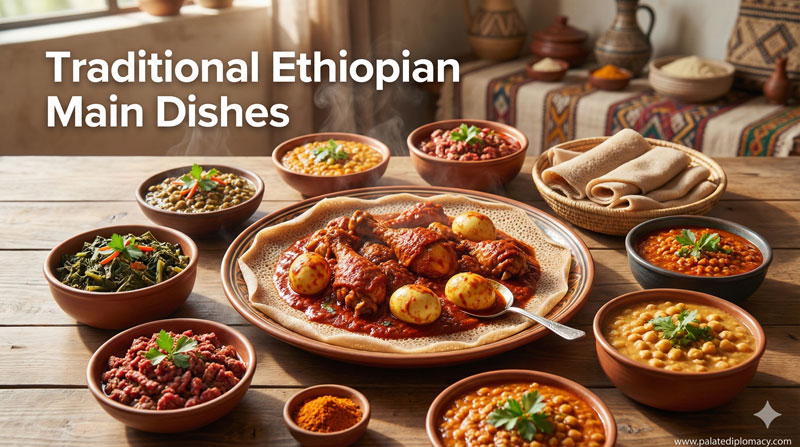
Doro Wat, a deep-spiced, aromatic chicken stew, sits at the heart of Ethiopian Cuisine. Its warm, radiant flavors invite gatherings and spark memories of home cooking. This dish is more than a meal; it is a cultural gesture that honors family, seasonality, and the slow craft of layering taste. In this blog, we explore how Doro Wat became a cherished symbol in Ethiopian food culture, highlighting its culinary significance and the ways it nourishes community and tradition.
The foundation of flavor
The beauty of Doro Wat begins with simple, honest ingredients treated with patient care. A generous base of onions creates the core sweetness and depth. When onions caramelize, they release a honeyed, almost syrupy sweetness that balances heat and spice. Berbere, a vivid blend of chili peppers, garlic, ginger, and warm spices, is toasted to wake its fragrance, then stirred into the onion base. Niter kibbeh, a spiced clarified butter, carries an aromatic richness that glides through the sauce, carrying pepper, bay leaf, and other notes into every bite. Garlic and ginger add brightness, while the chicken itself absorbs these layers of flavor. Sometimes hard-boiled eggs are added, resting in the sauce to soak up the heat and spice. The result is a sauce that feels both bold and comforting, a tapestry of warmth and fragrance. This foundation connects technique with meaning, turning everyday ingredients into a dish that feels ceremonial and familiar at once.
Technique and texture: a slow, attentive process
Next, the craft of Doro Wat centers on patience and control. First, cooks slowly marry onions with a touch of oil until they melt into a smooth, glossy base. Then berbere and spices are introduced, releasing fragrance as they toast. The fat from niter kibbeh carries these aromas, enriching the sauce with a luxurious sheen. The chicken braises gently, absorbing heat without losing tenderness. Throughout, the cook tastes and adjusts, maintaining a balance between heat, savor, and aroma. The final texture is thick and velvety, with the oil glistening on the surface—a sign that the flavors have mingled deeply. Finally, a handful of salt and, at times, a whisper of citrus lift the dish, keeping it vibrant rather than heavy. This careful orchestration elevates Doro Wat from a everyday stew to a dish with a poised, refined character.
Cultural fabric: Doro Wat at the table
Eating Doro Wat is a social ritual as much as a culinary event. It is traditionally served with injera, the soft, sour flatbread that acts as both plate and utensil. Diners tear pieces of injera and use them to scoop up the rich sauce, a method that encourages shared enjoyment and conversation. Eggs, when present, anchor the dish with a comforting bite and add a gentle contrast to the heat. The act of gathering around a single communal platter reinforces family bonds and community ties. Doro Wat often makes appearances at special meals and festive occasions, where time-honored recipes are passed down from one generation to the next. In this way, the dish functions as a living thread within the food culture, linking past and present through taste, technique, and togetherness.
From home kitchens to global dining rooms
Doro Wat’s popularity has grown beyond local kitchens, finding a place in restaurants and culinary menus around the world. In busy urban centers, chefs showcase its depth by preserving traditional methods while inviting modern sensibilities. Diners discover the dish through Ethiopian restaurants, food festivals, and cultural events that celebrate Ethiopian flavors. Home cooks also contribute by sharing variations and tips, helping the dish travel in a way that remains faithful to its roots. The dish’s universal appeal lies in its balance: heat and sweetness, richness and brightness, bold spice and comforting familiarity. This combination invites curious eaters to explore not only a recipe but a story about flavor, craft, and the joy of sharing a meal.
Regional voices and personal family recipes
Doro Wat reflects regional and family voices in its variations. Some cooks adjust heat levels to suit different palates, while others emphasize a deeper onion sweetness or a more pronounced butter aroma. Techniques may differ slightly—from the pace of simmering to the timing of spice addition—but the core idea remains the same: a patient, respectful preparation that honors ingredients and tradition. Personal family recipes add layers of memory and identity; each household may have its own signature touch, whether a particular spice note, a preferred balance of fat, or the timing of adding eggs. These variations highlight a vibrant, living cuisine where individual cooks contribute to a shared culinary heritage.
The enduring appeal: flavor, craft, and community
Ultimately, Doro Wat endures because it embodies culinary craft and communal warmth in a single dish. Its flavor is the product of careful technique, premium ingredients, and a deep respect for tradition. Its texture offers comfort and substance, inviting slow enjoyment and mindful dipping with injera. But beyond taste, the dish carries cultural value: it teaches patience, celebrates generosity, and anchors gatherings with a sense of ritual. The beauty of Doro Wat lies in its ability to harmonize bold spice with gentle, soulful nourishment.
Conclusion
Doro Wat stands as a celebrated pillar of Ethiopian cuisine, admired for its rich flavors and its role in bringing people together. Through careful preparation, aromatic spices, and the shared experience of eating from a single platter, it expresses a philosophy of hospitality and tradition. As it continues to travel to new kitchens and dining rooms, Doro Wat remains a luminous example of how food can honor culture while inviting everyone to participate in its warmth and richness. This is the enduring charm of Doro Wat: a beloved dish that speaks softly and boldly, with every bite, to the beauty of Ethiopian culinary heritage.