
Introduction
How did Doro Wat become a beloved star of Ethiopian cuisine? The answer lies in its soul. This chicken stew carries the warmth of home, the patience of traditional cooking, and the generosity that welcomes guests at the table. Its rise in Ethiopian dining is not merely about flavor; it is about ritual, care, and the everyday beauty of sharing a carefully made meal.
The heart of the dish
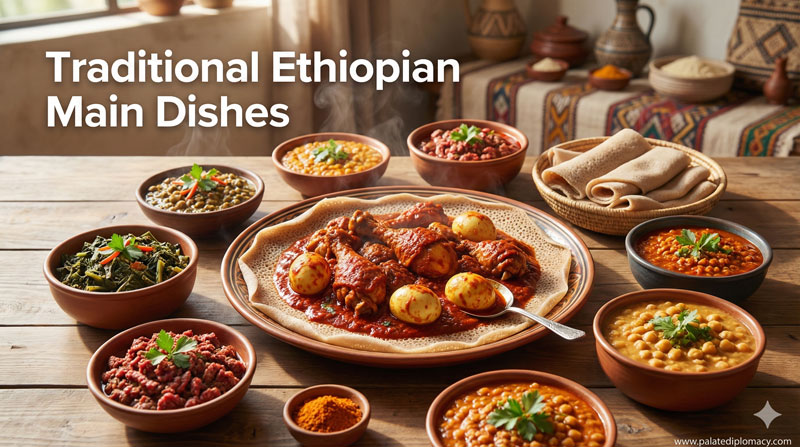
Doro Wat is grounded in a simple yet powerful idea: build depth through time and texture. A base of onions, slowly caramelized, creates the aroma that signals a good meal is on its way. Add garlic and ginger for brightness, then fold in berbere, a bold spice blend that carries heat, aroma, and color. Niter kibbeh, a fragrant clarified butter, may glide in to give a smooth, nutty note. The chicken braises gently, soaking up the sauce until every bite feels Like a hug. When ready, the dish often receives a few hard-boiled eggs, tucked into the sauce, adding richness and a touch of texture.
The aromatics and technique
The elegance of Doro Wat comes from technique as much as ingredients. The onion base is the star: slow sautéing develops sweetness and body, forming a velvety foundation for the spices. Berbere blooms when it meets heat, letting pepper, garlic, ginger, and fragrant seeds weave together. The sauce thickens as the onions reduce, and the chicken releases its juices to mingle with the seasoned fat. The result is a sauce that clings to every piece of meat and invites slow, mindful tasting. This is cuisine that rewards patience and careful heat management.
The table’s centerpiece
Across Ethiopian kitchens, Doro Wat is a dish associated with gathering and generosity. It appears during special meals, celebrations, and meaningful family moments. The act of preparing it becomes a gift to those who will share the table. The sight of a pot simmering, its scent filling the room, signals hospitality. And when the dish arrives at the table with fresh injera, the moment becomes a ceremony of connection and nourishment.
Cultural value and shared memory
Doro Wat embodies values that are central to Ethiopian dining. It teaches care in preparation, respect for ingredients, and attentiveness to timing. It invites conversation and slow enjoyment, rather than quick consumption. The dish also serves as a bridge between generations: younger cooks learn technique from elders, and family stories weave through the ritual of stirring, tasting, and adjusting the seasoning. In this way, Doro Wat transcends flavor; it preserves memory and strengthens bonds at the table.
Regional character and adaptations
Within Ethiopia, households may offer small variations that reflect local tastes and family heritage. Some cooks adjust the heat level, balancing peppery heat with the sweetness that onions provide. Others adjust the richness by using more or less niter kibbeh. Though the recipe can vary, the essence remains: a deeply flavored, comforting stew that invites sharing. This flexibility reinforces its place in diverse kitchens while keeping a consistent thread of identity and tradition.
Serving with injera and companions
Doro Wat most often meets injera, the sour, spongy flatbread that carries and soaks the sauce. The pairing creates a lively texture contrast—softer injera against the tender chicken and a sauce that clings to every bite. Side dishes like lentils, vegetables, or simple salads may appear nearby, but the star remains the same: the moment when bread and stew come together in a single, satisfying mouthful. The ritual of serving reinforces hospitality, as guests are invited to share from the same pot and savor the same flavors.
The everyday beauty of ritual cooking
Beyond festival tables, Doro Wat finds a place in everyday life as a reminder of care and attention. Cooking slowly, tasting thoughtfully, and adjusting with purpose—all of these actions elevate a meal to something memorable. The dish demonstrates how technique and patience can deepen flavor, while also elevating the ordinary act of cooking into a moment of celebration. This is the beauty of Ethiopian home cooking: simple ingredients transformed through mindful practice into something remarkable.
A gateway to Ethiopian cuisine
For many food lovers, Doro Wat becomes an introduction to Ethiopian flavors. Its bold spice blend, rich butter, and onion-forward base invite new tasters to explore berbere and its companions. Yet the dish also teaches restraint. The balance between heat, sweetness, and fat matters as much as the heat itself. In tasting, one discovers how Ethiopian cooking often blends strength with gentleness, spice with comfort, and a sense of place with shared joy.
Crafting the experience at home
If you wish to connect with this dish in your own kitchen, start with a patient onion base and a thoughtful spice mix. Build flavor gradually, then let the chicken simmer until tender and the sauce shines with a glossy finish. Keep the broth thick enough to cling to the meat, but not so thick that it overwhelms the delicate texture of the chicken. Finally, plate with injera and a small garnish of boiled eggs if you like. The result is a dish that carries its culture in every bite, inviting you to understand why Doro Wat holds a cherished spot in Ethiopian cuisine.
Conclusion
Doro Wat’s popularity in Ethiopian cuisine rests on more than taste. It is a celebration of craft, a lens into daily life, and a welcoming gesture that says, “Let us share this meal together.” Its evolving presence in homes and restaurants alike speaks to a culinary tradition that honors patience, warmth, and the joy of hospitality. In every simmer, stir, and serving, the dish reveals a timeless beauty that continues to enrich Ethiopian food culture.