
A Complete Guide to Enjoying Doro Wat Like a Local
Introduction to Doro Wat and Its Place on the Table
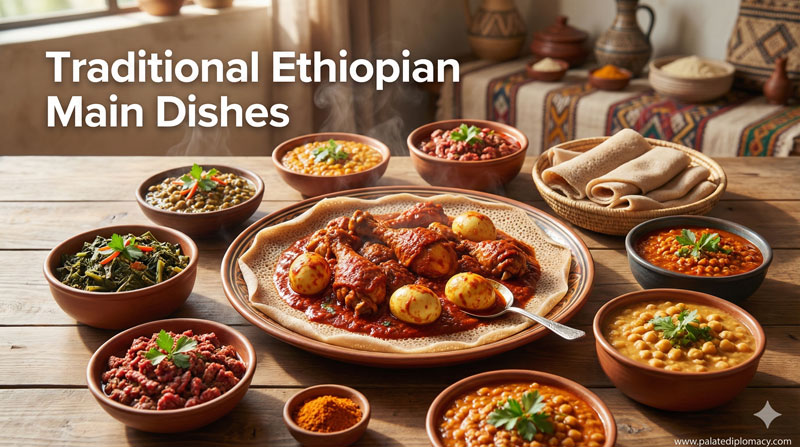
Doro Wat is more than a dish. It’s a centerpiece of Ethiopian food culture, celebrated for its warmth, depth, and shared heart. The steam rises from a pot of chicken simmered in a rich, ruby sauce, perfumed with spices and butter. When this stew enters the room, it signals a moment of connection—family gathered, conversations flowing, and the meal becoming a memory as much as a plate of food. Enjoying Doro Wat Like a local means tasting its layers: the sweetness from slowly caramelized onions, the heat and aroma of berbere, the velvet texture from clarified butter, and the comforting tang of perfectly balanced seasoning. It is a dish that teaches patience, hospitality, and the joy of breaking bread together.
Core Ingredients and Techniques
A successful Doro Wat starts with a few core elements, each playing a crucial role:
– Chicken: bone-in pieces are traditional for flavor and juiciness.
– Onions: slow-cooked until deeply caramelized, forming the sauce’s backbone.
– Berbere: a bold Ethiopian spice blend that blends heat, earth, and warmth.
– Niter qibe: spiced clarified butter, the fragrant fat that carries the dish’s character.
– Garlic and ginger: add brightness and depth.
– Salt and stock: adjust to taste as the sauce thickens.
– Optional hard-boiled eggs: a classic touch that absorbs the sauce’s goodness.
A key technique is patience. The onions are gently browned and softened, not rushed. The spices are toasted and released in the fat, then combined with the onion base to create a lush, glossy sauce. The chicken braises in this rich bath until tender and infused with the sauce’s character. The result is a stew with a velvety texture, bright aromatics, and a comforting, lingering heat.
The Cooking Process: Steps to Achieve Depth
- Prepare the base: Dice onions and melt them slowly in warm niter qibe until they turn a deep amber. Stir often to prevent scorching.
- Build the spice frame: Add garlic, ginger, and berbere. Let the mixture bloom in the fat for a few minutes, releasing fragrance without burning.
- Add the chicken: Nestle the chicken pieces into the simmering sauce. The meat should almost cover in the sauce, not swim in it.
- Simmer gently: Add a little stock or water, then cover and let the chicken braise until tender and the sauce thickens to a lacquered coating.
- Finish with richness: Taste and adjust salt. If using eggs, tuck in the hard-boiled eggs toward the end so they warm through and take on flavor.
- Serve with injera: Traditional Ethiopian flatbread serves as both plate and utensil. Tear a piece for scooping and catching sauce.
Serving, Etiquette, and How to Eat Like a Local
Doro Wat arrives at the table in a shared pot or on a platter with injera laid nearby. Here’s How to enjoy it the local way:
– Use injera to scoop: Tear a small piece, scoop a portion of the sauce, and lift a bite of chicken with it.
– Eat with the right hand: In many settings, meals are enjoyed with the right hand, using the injera as a convenient utensil.
– Balance the bite: Include a bit of onion, sauce, and chicken in each mouthful for a complete sensation.
– Respect the pace: A traditional meal is a moment of calm and conversation. Take time to savor each portion and the company around the table.
– Leftovers are welcome: Doro Wat often tastes even better the next day, as the flavors meld and mellow.
Regional Variations and Personal Touches
Doro Wat varies by region and household, adding subtle differences that reflect local tastes:
– Spiciness: Some cooks lean toward a milder version, while others heighten heat with more berbere or additional chili peppers.
– Egg addition: Eggs may be included or omitted; when present, they are usually added near the end to soak in the sauce.
– Butter and fat level: The richness can range from a lighter sauce to a deeply lacquered finish, depending on how much niter qibe is used.
– Garnishes: Some kitchens finish with a sprinkle of fenugreek or a touch of lemon juice for brightness.
– Accompaniments: In addition to injera, some households offer a side of lentil stews or a fresh tomato salad to balance the richness.
Pairings, Accompaniments, and Drinks
Doro Wat shines with thoughtful pairings:
– Injera: The classic companion. Its spongy texture soaks up sauce and invites you to scoop generously.
– Tej or fresh juice: A light, refreshing drink can cleanse the palate between bites. If you drink alcohol, a mild honey wine (tej) is a traditional choice in many homes.
– Light salads and greens: A simple cucumber or tomato salad cuts the richness and adds contrast.
– Coffee and tea: After the meal, a cup of strong coffee or tea can provide a comforting finish and help balance the spice.
Tips for Making at Home
- Choose the right onions: A long-sweet onion works well to form a deep, sweet base.
- Be patient with the base: Rushing the onion caramelization limits depth. Let it develop slowly.
- Control the heat: Moderate simmering yields a glossy sauce; too high a flame can burn spices and darken the color prematurely.
- Use authentic fat wisely: Niter qibe is essential for aroma. If unavailable, use a well-flavored butter with caution, but the taste will differ.
- Taste as you go: Salt and spice should be layered. Start with a little and build up slowly.
Common Mistakes and How to Avoid Them
- Overcooking the onions at high heat: This can create bitterness. Keep the heat steady and patient.
- Under-seasoning: The sauce should taste balanced—savory, slightly sweet, and warm from spice.
- Skipping the butter note: Niter qibe enriches the aroma and body. Without it, the dish lacks fullness.
- Rushing the braise: Allow the chicken to become tender and the sauce to thicken slowly for best texture.
- Serving with a dry bread harshly: The soft tofu-like texture of injera is what makes the pairing special; ensure it’s fresh and warm.
A Cultural Moment: Doro Wat in Celebrations and Everyday Meals
Doro Wat is often central to family gatherings and special meals, welcoming friends and relatives to share the table. It embodies hospitality, a sense of community, and the joy of cooking as an act of care. The slow simmer, the scent that fills the kitchen, and the ritual of tearing injera together create a moment that lingers beyond the last bite. In many homes, preparing Doro Wat is a way to pass down flavors and techniques to younger generations, connecting generations through taste and ritual. This dish blends daily cooking with a sense of ceremony, reminding us that food can be a bridge between routine and celebration.
Final Thoughts: The Joy of Making and Sharing
Enjoying Doro Wat like a local is a practice of savoring both flavor and culture. It invites you to slow down, observe each step, and participate in a tradition that values generosity and shared experience. When you ladle the rich sauce, lift the tender chicken, and pair it with warm injera, you participate in a living, breathing culinary story. Each bite tells of careful farming, patient cooking, and the care of a cook who believes that a good meal is a good moment. Embrace the aroma, the texture, and the communal spirit. Doro Wat welcomes you to a table where flavor and friendship meet.