
A Complete Guide to Enjoying Doro Wat Like a Local
What is Doro Wat?
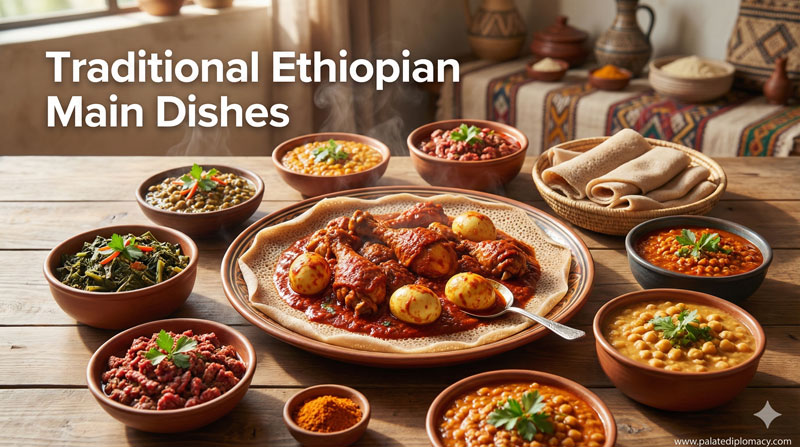
Doro Wat is a beloved Ethiopian chicken stew known for its deep, warming flavors. It centers on tender chicken simmered in a smoky, peppery blend called berbere, enriched with niter kibbeh (spiced clarified butter), garlic, ginger, and onions. The dish is usually crowned with hard-boiled eggs that soak up the sauce. Served on a large piece of injera, a sour teff flatbread, Doro Wat becomes a communal experience. The steam, aroma, and vibrant color invite calm attention and slow savoring. People often gather around the platter, sharing bites and stories as the sauce clings to the injera. The dish shines with balance: heat and sweetness, savor and brightness, hearth and hospitality.
The Cultural Value of Doro Wat
Doro Wat embodies warmth and generosity in Ethiopian food culture. On the table, it signals care and connection. Families prepare it for special occasions, holidays, and thoughtful gatherings, turning a meal into a moment of togetherness. The act of sharing from a single injera platter reinforces community and mutual respect. Doro Wat also reflects seasonal rhythms and local markets, where fresh chicken, onions, and spices meet to create a dish that feels both familiar and celebratory. In many homes, cooking Doro Wat is a ritual that passes down taste memories from one generation to the next, weaving flavor into the fabric of daily life. The dish’s presence during celebrations highlights Ethiopian hospitality: guests are welcomed with warmth, and meals become a gesture of care.
Core Ingredients and Their Significance
- Chicken: The star, cooked until juicy yet resilient, absorbing the sauce’s depth.
- Berbere: A spice blend that brings heat, aroma, and a subtle sweetness.
- Niter Kibbeh: The fragrant fat that carries spices and enhances richness.
- Onions: Caramelized to build a silky base with natural sweetness.
- Garlic and Ginger: Add brightness and edge, balancing the spice.
- Hard-boiled Eggs: Provide texture and a comforting bite within the sauce.
- Injera: The accompaniment and utensil; its tang and spongy texture make every bite sing.
These ingredients are more than flavor notes. They represent a cooking philosophy that honors patience, layering, and balance. The result is a sauce that clings to injera, inviting slow, mindful tasting.
How to Enjoy Doro Wat Like a Local
- Start with injera: Tear a piece, shaping a small pocket to scoop.
- Capture the sauce: Use injera to gather a bite-sized portion of chicken, sauce, and a peeled egg.
- Notice the balance: Seek the harmony of spice, dairy richness from niter kibbeh, and the tang of injera.
- Pace the meal: Savor slowly; meals unfold as conversations deepen and friends share stories.
- Respect the shared plate: Pass the platter with care, and accept a refill with gratitude.
- Pair with culture: A moment around the table often includes soft conversation, a smile, and a sense of welcome.
Serving Style and Accompaniments
Doro Wat shines on a round injera spread. The simplest version is delicious on its own, but some households offer fresh salad or a mild cucumber-tresh side to refresh the palate. A cup of strong coffee or a cup of hot tea can complement the meal, inviting a subtle pause between bites. The focus remains on the stew and injera, with sides serving to cleanse and brighten the palate.
Regional Variations and Personal Touches
Across Ethiopia, families add their own touches to Doro Wat. Some use sunnier tomato notes to brighten the sauce; others emphasize the onion sweetness by slow-cooking longer. Spices may vary slightly by region, but the essence stays the same: a rich, comforting, communal dish. Each kitchen adds a personal touch, making the experience feel both familiar and distinct every time.
Etiquette, Hospitality, and Shared Meals
Hospitality is the heart of Doro Wat dining. Guests are welcomed with care, the table is prepared with attentiveness, and the meal unfolds as a shared journey. Lean in to the conversation, listen with patience, and enjoy the moment of connection. When serving others, offer with a gentle hand and a warm smile. The ritual of sharing from a communal plate is a daily celebration of togetherness and respect.
Why Doro Wat Truly Shines in Food Culture
Doro Wat blends history, craft, and community into a single experience. Its flavors invite curiosity: peppery heat softened by onions and butter, the comforting bite of eggs, and the tang of injera. The dish tells a story of home kitchens and flavorful gatherings. It celebrates patience, balance, and generosity—values that resonate in many dining rooms and eateries. By embracing Doro Wat, diners participate in a tradition that honors neighbors, family, and friends around a single plate.
A Closing Note
If you seek a dish that speaks with warmth and depth, Doro Wat welcomes you. It invites slower meals, shared laughter, and respectful conversation. By savoring it with injera and good company, you experience a window into Ethiopian culinary culture—the beauty of a dish that nourishes both body and spirit. May your first bite feel like a warm greeting, and may each subsequent bite deepen your appreciation for the art of Ethiopian hospitality.