
The Story Behind Doro Wat, a Favorite Ethiopian Food
Doro Wat is a window into Ethiopian hospitality. It sits at the heart of family gatherings and festive meals. The dish speaks through its aroma, color, and texture. People gather around a shared platter of injera and savor every bite together. Doro Wat is a symbol of warmth, patience, and care. It invites conversation and laughter, and it invites everyone to take part in a quiet ritual of nourishment. In every kitchen, the dish carries a quiet pride in technique and tradition. Its story is one of everyday generosity and shared delight.
The Core of the Dish: Ingredients and Craft
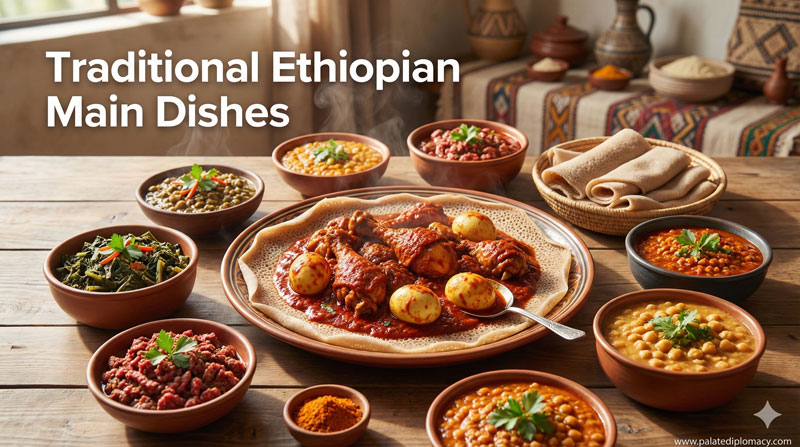
At its core, Doro Wat blends simple ingredients into something grand. The base is a generous layer of onions, slowly cooked until they turn deep gold and sweet. Garlic and ginger join next, bright and fragrant. Berbere—an aromatic blend of chili peppers, spices, and seeds—adds heat and depth. A spoonful of niter kibbeh, a richly spiced clarified butter, brings a glossy, nutty finish. Tomatoes may appear for brightness, but the heart remains the onion and spice. Chicken pieces simmer gently in this sauce until tender and silky. Hard-boiled eggs often join the pot toward the end, absorbing the flavors and adding a comforting bite. The result is a thick, glossy stew that clings to injera and sings on the palate. Each step is a practice in patience, reflection, and care.
Berbere and Niter Kibbeh: The Flavor Heart
Berbere is more than heat; it is a memory of markets, kitchens, and family recipes. Each family may have its own blend, reflecting regional notes and personal preference. The spices layer warmth, smokiness, and brightness in just the right balance. Niter kibbeh is the quiet genius here. The spiced clarified butter enriches the sauce with a silky texture and a toasted, almost caramel-like aroma. This fat carries the flavors through the long simmer, helping the sauce cling to every piece of chicken. Together, berbere and niter kibbeh transform a simple stew into a living expression of Ethiopian taste. The harmony between spice and fat is what makes Doro Wat memorable, even before tasting.
The Shared Table: Serving and Etiquette
Doro Wat shines most fully when shared at the center of the table. Injera, the spongy flatbread, acts as both plate and utensil. Guests tear a piece of injera and use it to scoop the thick sauce. The platter becomes a circle of hospitality, inviting everyone to dip, bite, and smile. The eggs add a celebratory touch and a comforting contrast to the spicy sauce. In many homes, the dish is a moment for conversation and gratitude, a gentle pause before the next course in a meal of many flavors. The act of eating together is as important as the flavors themselves, reinforcing bonds and creating memory.
Food Culture and Everyday Joy
Doro Wat is cherished not only for its taste but for its role in daily life. It appears in homes, restaurants, and gatherings that honor sharing and care. The dish teaches generous timing: allow the onions to caramelize, respect the pace of slow simmering, and welcome all senses to the table. The aroma invites people into the kitchen, turning cooking into a social ritual as well as a culinary craft. This dish is versatile in meaning: it marks celebrations, welcomes guests, and offers comfort on ordinary days. In this way, Doro Wat remains a living expression of Ethiopian food culture—steady, inviting, and full of grace.
How to Enjoy Doro Wat: Pairings and Serving
Pair Doro Wat with injera to experience the full texture and balance. The bread soaks up the rich sauce, while its slight sourness cleanses the palate. A simple onion salad or fresh greens can provide a refreshing counterpoint. A cool beverage of choice, such as water or a mild, gently sweet drink, keeps the focus on the spice and richness. When possible, savor the dish slowly, letting each bite reveal layers of flavor—the sweetness of the onions, the warmth of the berbere, the aromatic butter, and the tenderness of the chicken. This approach enhances the sense of ceremony and enjoyment that the dish naturally encourages.
Conclusion: A Living Tradition
Doro Wat remains a beloved favorite because it blends flavor, memory, and generosity. It invites people to slow down and share, to notice the beauty in the layering of spices, and to honor the craft of home cooking. The dish stands as a quiet testament to hospitality and culture—an invitation to welcome others, to listen, and to savor together. In every kitchen where Doro Wat is prepared, a small story is told: that food has the power to connect, to comfort, and to celebrate the everyday magic of togetherness.