
The Story Behind Doro Wat: A Favorite Ethiopian Food
Doro Wat is more than a dish. It is a warm invitation into Ethiopian kitchen life, where patience and care shape flavor. The name often carries the sense of a bold, comforting stew centered on chicken. In every bite, you taste a tradition of warmth, generous hospitality, and a respect for time-honored techniques. This dish shines during gatherings and meals that welcome loved ones to share in a moment of savor and conversation. The Story behind Doro Wat is a story of flavor, memory, and the artistry of spice.
Core Ingredients and Their Cultural Echo
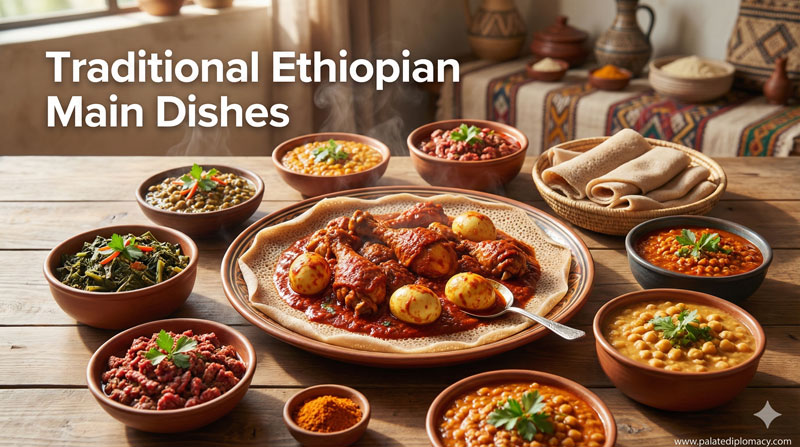
The heart of Doro Wat is simple, yet profound. Chicken is the main note, prepared in a sauce built from onions slowly caramelized to a deep, glossy base. Berbere, a vivid spice blend, brings heat, aroma, and a bright, peppery depth. Niter kibbeh, a spiced clarified butter, adds a smooth richness that lifts the sauce. Garlic and ginger mingle with these elements, adding warmth and balance. Some cooks tuck in hard-boiled eggs, nestled into the sauce as it thickens. Together, these ingredients form a harmony that is both comforting and celebratory. The result is a stew that feels Like a tradition you can taste in every spoonful.
The Craft of Slow Simmering: Techniques Behind Rich Flavor
The craft of Doro Wat rests on patient preparation. Start with onions cooked until they melt into a velvety base. This step creates the sauce’s sweetness and depth. Then add berbere and niter kibbeh to bloom their aromas. The chicken joins the pot and braises gently, absorbing spice and butter until it becomes tender and flavorful. The sauce thickens to cling to each piece of meat, creating a glossy, rich coating. The slow simmering builds layers of heat, sweetness, and tang that echo across generations of cooks. The method invites focus, care, and a rhythm that honors the dish’s heritage.
Injera: The Plate, The Tool, The Shared Experience
Injera, a sour flatbread made from teff, plays a central role in the Doro Wat experience. It acts as both plate and utensil, inviting diners to scoop, wrap, and share. The tang of injera contrasts with the warmth and spice of the stew, balancing flavors while bringing a soft, springy texture to each bite. The pairing elevates the dining moment into a communal ritual where everyone gathers around the same platter. Injera does more than hold the sauce; it shapes how the meal is enjoyed and remembered.
Hospitality on the Table: Eating Doro Wat Together
Doro Wat embodies hospitality. Meals built around this dish invite conversation, care, and generosity. The act of serving and sharing from a common pot reinforces a sense of belonging. Diners often use pieces of injera to scoop and wrap portions, turning every bite into a small, shared ceremony. The experience emphasizes attentiveness—checking the heat, adjusting the balance of spices, and ensuring each plate is generous. In this way, Doro Wat becomes a living expression of warm welcome and thoughtful cooking.
Everyday Significance: From Family Kitchen to Community Tables
This dish holds a steady place in everyday life and in special family meals. It appears in homes as a comforting staple and on tables during moments of gathering. The preparation itself can be a family activity, with mentors passing down tips on onion caramelization, spice timing, and the careful spin of the sauce. The result is a dish that nourishes both body and spirit, linking generations through taste, technique, and shared joy. Doro Wat stands as a testament to how daily cooking can carry ritual, memory, and love.
A Lasting Flavor: Memory, Craft, and Ethiopian Food Culture
Doro Wat offers more than sustained flavor. It is a window into Ethiopian culinary craft, where spice, fat, and heat meet slow technique to create depth. The dish celebrates how simple ingredients can become memorable through careful preparation. It honors the meal as a social act, where food is a bridge to shared experience. By practicing with care, cooks keep a tradition alive, inviting others to savor the beauty of Ethiopian food culture. Doro Wat remains a cherished favorite precisely because it blends artistry, patience, and hospitality into one satisfying plate.