
Introduction
Doro Wat is more than a dish in Ethiopia. It is a warm invitation to gather, share stories, and celebrate hospitality. The aroma, the texture, and the careful balance of flavors speak to a culture that treasures togetherness. When you hear sizzle and see a pot bubbling with spices, you are witnessing a culinary tale handed down through generations. This is the heart of Doro Wat: a dish that connects people to place, memory, and tradition.
What Makes Doro Wat Distinct
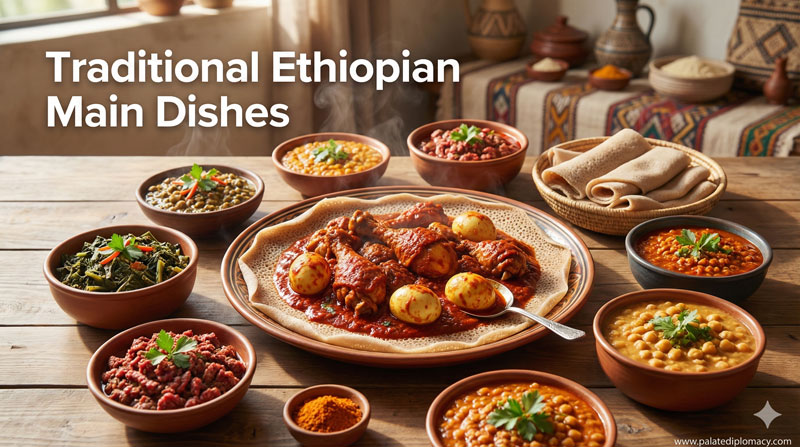
Doro Wat stands out for its rich, layered sauce and its careful method. A deep, velvety onion base forms the foundation, slowly caramelized to sweetness. Berbere, a bold spice blend, carries heat and warmth without overpowering the chicken. Niter Kibbeh, a fragrant spiced clarified butter, adds body, glow, and a mellow depth. The dish often features hard-boiled eggs that soak up the sauce, turning into little ambassadors of flavor. The combination of these elements creates a stew that feels both rustic and refined. People savor it because every spoonful tells a story of patience, care, and seasonal ingredients brought to life in the kitchen.
The Communal Heart of the Meal
In Ethiopian dining, meals are a social ritual as much as a culinary one. Doro Wat is traditionally shared from a common platter, with injera serving as both plate and utensil. The act of tearing off pieces of injera to scoop the sauce reinforces connection and equality around the table. Laughter, conversation, and mutual enjoyment accompany the cooking and eating. This practice reinforces the sense of belonging and welcome that defines Ethiopian hospitality. The dish thus becomes a vessel for memory, inviting guests and hosts to pause, savor, and reflect together.
Key Ingredients and Techniques
The flavor of Doro Wat comes from a few core ingredients prepared with attention. Onions are finely sliced and cooked slowly until they melt into a syrupy sweetness. Berbere adds a robust kick and a complex warmth. Niter Kibbeh brings a buttery silkiness and aromatic depth from spices like garlic, ginger, and fenugreek. Garlic and ginger contribute sharp, clean notes that brighten the stew. Tomatoes may appear to balance acidity and add color, while chicken pieces simmer gently to absorb the spices. The final touch often includes hard-boiled eggs, nestled in the sauce as the heat lingers. Each ingredient plays a precise role, and together they create a sauce that feels both comforting and celebratory.
Regional Variations and Family Traditions
Across Ethiopia, families adapt Doro Wat to their own palates while keeping the core character intact. Some cooks favor a milder profile, letting onions and garlic carry the sweetness; others deepen the heat with more berbere. Regional differences may appear in spice blends, timing, or the balance of butter and oil. Yet the essence remains: a dish born from everyday kitchen routines and elevated by care during festive moments. The variations illustrate a living culinary culture—one that honors tradition while welcoming personal touch.
Serving, Etiquette, and Accompaniments
Doro Wat is most often served on injera, a spongy flatbread that soaks up the sauce beautifully. The serving style invites sharing and gentle pacing, allowing flavors to unfold slowly. Common accompaniments include shiro (a chickpea or lentil paste) or other stews that offer creamy contrast. Diners use injera to wrap bits of meat and sauce, turning bites into mindful experiences. The act of serving and portioning itself conveys respect and hospitality, signaling that every guest is valued.
Pairings and Occasions
This dish shines in celebratory meals, family gatherings, and weekend feasts. It carries a sense of welcome, marking occasions with warmth and delight. When Doro Wat appears at the table, it signals a moment to slow down and savor. The aroma and texture invite conversation and shared anticipation, making the dining room feel Like a gathering place where memories are made.
Making Doro Wat at Home: Practical Tips
If you want to bring this experience home, start with quality onions and a good berbere blend. Patience is essential: slowly caramelize the onions to achieve a deep base. Stir in garlic and ginger for brightness, then add the spice mixture and butter to bloom the flavors. Simmer chicken pieces gently until they are tender, letting them soak in the sauce. Add hard-boiled eggs toward the end so they keep their shape. Maintain steady heat and balance salt to taste. Serve with warm injera, and let the shared meal become a small ceremony of hospitality in your kitchen.
The Enduring Beauty of Doro Wat
Doro Wat embodies the beauty of Ethiopian food culture: simplicity done with care, tradition embraced with pride, and meals shared with respect. Its richness comes not only from spices but from the way the dish unites people around a table. In every bite, you taste a heritage of togetherness, generosity, and daily artistry. Doro Wat reminds us that food can be a bridge to community, a memory keeper, and a celebration all at once.