
How Dulet Reflects Ethiopian Food Culture
Dulet is more than a dish. It is a lively doorway into Ethiopian food culture. Finely chopped organ meats, usually liver and tripe, are sautéed with onions, garlic, peppers, and a careful blend of spices. The result is bright, savory, and deeply comforting. Every bite carries a sense of place, craft, and generosity. The dish invites curiosity and respect for careful technique and shared meals.
The Table That Shapes Dulet
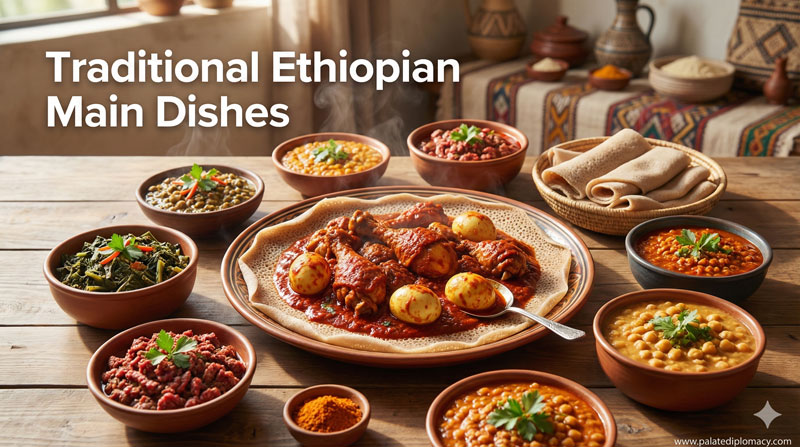
In Ethiopian dining, food is a way to welcome guests and celebrate everyday life. Dulet fits this rhythm perfectly. It is small in stature but rich in meaning. The plate often sits alongside injera, the soft sour bread that soaks up flavor. Diners scoop dulet with injera, passing the plate, and sharing bites. This simple act speaks to hospitality, togetherness, and thoughtful pacing at the table.
The Core Ingredients and How They Come Alive
Cooks begin with finely chopped organ meats—liver and tripe are common choices. Onions are softened to sweetness, while garlic and peppers add brightness. The spice blend is dear to Ethiopian cooking. Berbere and sometimes mitmita wake the mix with warmth and bite. A touch of niter kibbeh, a spiced clarified butter, adds a fragrant finish. These elements work in harmony: a savory backbone, a peppery spark, and a subtle richness that lingers on the palate.
Technique: Precision and Care
Dulet thrives on careful timing and texture. Meat is minced finely and cooked quickly to retain tenderness. The vegetables stay bright but softened just enough to release aroma. The key is balance: the heat should wake the spices without dulling the meat’s character. This balance mirrors Ethiopian culinary values—precision, patience, and a respect for every ingredient’s voice.
A Symphony of Flavors and Textures
The dish offers contrast in every bite. The meat is hearty and meaty, the onions bring sweetness, and the peppers offer gentle heat. The spices provide depth without overpowering. The result is a compact dish that still feels generous, inviting a second helping and a longer conversation at the table. This balance is a microcosm of Ethiopian cooking, where simplicity and depth walk hand in hand.
Injera: A Partner on the Plate
Injera plays a co-starring role with dulet. Its tangy crumb and soft elasticity catch the oils and seasonings, lifting flavors in each bite. Diners use injera as a natural utensil, tearing a piece to scoop and roll. This partnership showcases a practical elegance: food that serves both nourishment and social welcome.
Social Threads: Sharing, Hospitality, and Craft
Dulet sits at the heart of social dining. It is often prepared with care for family gatherings and shared meals. The dish offers a chance to observe and participate in a culinary rhythm—chopping, sautéing, tasting, adjusting. The process itself is a form of conversation, a quiet way to express respect for guests and for the cooks who craft every plate.
Dulet in Modern Kitchens
Today, many home cooks and restaurants honor tradition while embracing contemporary flavors. Some home cooks adapt the spice balance to milder palates or add fresh herbs for brightness. In restaurants, chefs may present dulet on a larger platter for a communal experience, or pair it with varied injera styles. Across these settings, the essence remains: dulet as a testament to technique, warmth, and connection.
A Window into Ethiopian Hospitality and Craft
Dulet offers a compact view of Ethiopian food culture. It celebrates craftsmanship, the harmony of spices, and the joy of sharing. The dish invites both newcomers and longtime fans to slow down, savor texture, and appreciate the care that goes into every ingredient. In this way, dulet stands as a flavorful ambassador of hospitality and craft.
A Gentle Invitation to Explore
If you seek a dish that speaks with quiet dignity, dulet awaits. It is approachable in flavor yet rich in meaning. The next bite can feel Like a warm welcome, a nod to tradition, and an invitation to explore more of the beautiful world of Ethiopian cooking.