
Introduction: How Dulet Became Popular in Ethiopian Cuisine
Dulet is more than a dish; it is a gentle celebration of community, flavor, and craft. In Ethiopian kitchens and bustling markets, dulet moved from family recipes whispered across tables to a beloved centerpiece on many meals. Its rise is tied to hospitality, shared rituals, and the beauty of simple techniques done well. The journey is a story of how a humble mixture of meat, spice, and care can light up a table, inviting everyone to gather, taste, and connect. This post invites you to explore the cultural value and culinary significance of dulet, and to appreciate why it has become a cherished staple in Ethiopian Cuisine.
What is Dulet? The Core of the Dish
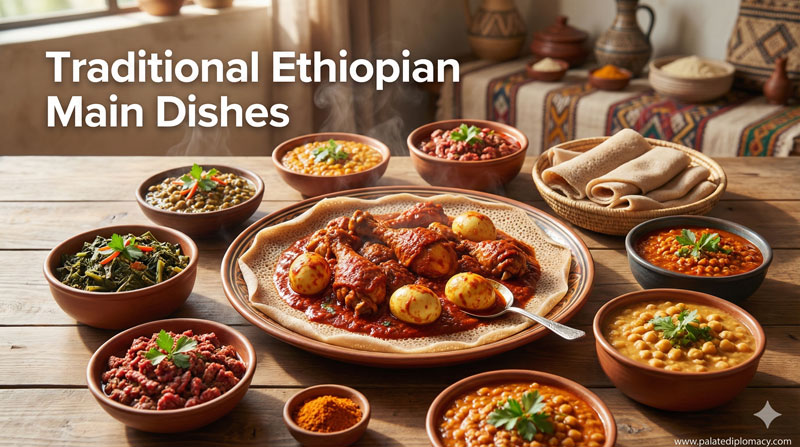
Dulet centers on finely chopped meat and offal, often including liver, heart, and sometimes tripe. It is seasoned with onions, garlic, and a blend of spices such as berbere and sometimes mitmita. A touch of fat from clarified butter, known as niter kibbeh, enriches the mixture and elevates the aroma. The dish is sautéed with care, then chopped again to create a lively texture that blends tender pieces with crisp edges. Served hot, dulet shines on a bed of injera or alongside flatbread, letting the spices mingle with the tang and warmth of the bread. The result is savory, bright, and deeply comforting, with layers of flavor that invite you back for the next bite.
Dulet on the Table: Cultural Role
Dulet often makes its appearance during gatherings, festivals, and everyday meals that feel special. It is shared from a common platter, a gesture that signals welcome and togetherness. In many homes, serving dulet to guests is a warm invitation to partake in a moment of communal eating. The dish naturally pairs with injera, the spongy Ethiopian flatbread, turning a simple serving into a small ceremony of serving and hospitality. Through this practice, dulet becomes a tangible expression of generosity, attention to guests, and the joy of food as a communal experience.
The Craft Behind the Flavor: Technique and Texture
The beauty of dulet lies in technique as much as in its ingredients. The meat and offal are minced finely, then sautéed with onions until they release sweetness and aroma. Garlic, spices, and a gentle heat build depth without overpowering the dish. A careful touch of fat adds richness, while timing preserves tenderness and a slight crisp on the edges. After cooking, the mixture is often given a final chop or rough balance to ensure even texture and distribution of flavor. This craft rewards patience and attention to detail, and it is a common thread in homes and kitchens where cooks take pride in small, precise steps that yield big taste.
Regional Flavors and Family Traditions
Across Ethiopia, dulet recipes vary in subtle but meaningful ways. Some households favor stronger spice notes, while others temper heat to highlight the meat’s natural flavors. Variations may include different spice balances, the inclusion of extra aromatics, or adjustments to how long the dish is cooked. These shifts reflect local tastes, family memories, and the affection with which a dish is prepared. Yet at its core, dulet remains a shared staple that travels well from one kitchen to another, preserving a sense of continuity while allowing personal touch and regional charm to shine through.
Serving Style and Pairings
Dulet is most often presented on injera, inviting guests to scoop a portion with torn pieces of the bread. The pairing brings together the robust, earthy notes of the meat with the tangy, spongy character of injera. A simple salad of onion, tomato, and cucumber can brighten the plate, while a small dollop of spicy sauce offers a spark that complements the dish’s richness. The serving style emphasizes ease, hospitality, and the joy of a shared meal. This combination—dulet, injera, and fresh accompaniments—creates a harmonious balance that celebrates texture, aroma, and taste.
Dulet in Modern Ethiopian Dining: From Home to the Heart of the Table
In contemporary Ethiopian dining, dulet travels from modest street stalls to established restaurants without losing its soul. Chefs honor the traditional technique while refining presentation and consistency. Some kitchens experiment with plating while keeping the flavor profile recognizable, ensuring that the dish remains approachable for new diners and beloved by longtime fans. The adaptability of dulet—its ability to fit various settings without sacrificing authenticity—helps explain its enduring appeal and continued growth in popularity.
The Cultural Value and Culinary Significance
Dulet embodies hospitality, craftsmanship, and the joy of shared meals. It teaches how a few precise actions—choosing quality ingredients, moderating heat, and artfully combining textures—can create a dish that feels both comforting and celebratory. The dish also serves as a bridge between generations: grandparents pass down techniques, parents adapt spice levels for younger tastes, and new cooks bring fresh energy while honoring tradition. Dulet’s popularity reflects a culinary culture that values thoughtful preparation, generosity at the table, and the beauty of flavors that invite conversation and connection.
Closing Thoughts: An Invitation to Experience
If you have the chance to taste dulet, approach it as an experience of culture expressed through food. Notice the aroma, the balance of textures, and the warmth that fills the plate. Consider how the dish brings people together, how the cooking methods honor careful work, and how a single plate can hold a story shared across generations. Dulet’s popularity in Ethiopian cuisine is not merely about flavor; it is about community, craft, and the enduring power of a well-made meal to nourish both body and spirit.